
ANA MENDIETA, LEADING FIGURE OF THE NEW TRIBECA EXHIBITION
The exhibition brings together emblematic works created between the 1970s and 1980s, including remastered films, photographs, drawings, and ephemeral pieces that reveal the ritual, corporeal, and earthbound force of her artistic practice.
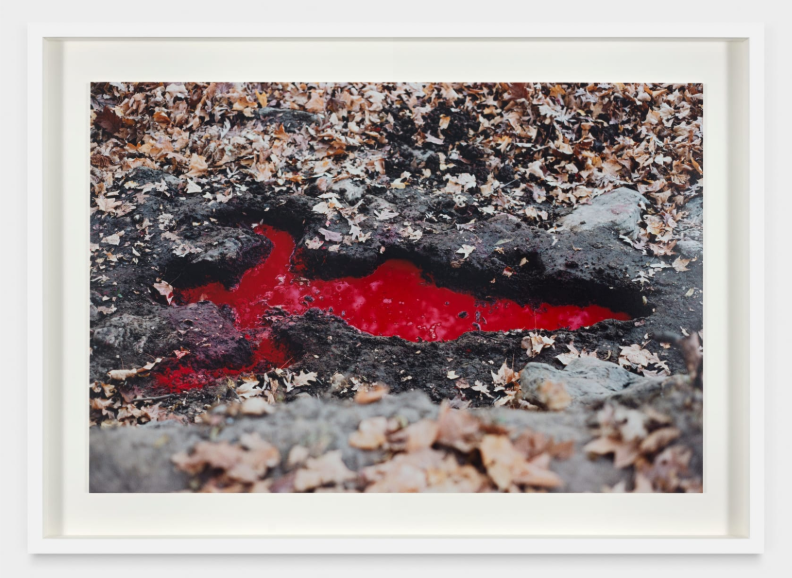
Marian Goodman Gallery presents Back to the Source, an inaugural exhibition of the work of Ana Mendieta (1948–1985), on view at its Tribeca space through January 17, 2026. The exhibition features seminal works created between 1972 and 1985, a highly prolific period in the artist’s career that encompasses stages of time spent in Iowa, Mexico, and Cuba. It includes ten digitally remastered films, photographic works, newly available photographic prints and drawings, as well as ephemeral sculpture.
Ana Mendieta was a pioneer and innovator whose oeuvre spanned painting, drawing, photography, film and video, sculpture, and site-specific works. Her singular interventions in the landscape embraced nature while disrupting societal conventions. Exiled from her native Cuba, where she was born in 1948, she spent her childhood and formative years in Iowa during the 1960s. She later studied art at the University of Iowa, first in painting and then in performance art— a shift that would radically transform her artistic approach. Her body of work testifies to a passionate engagement with themes of exile and displacement, reconnection with the earth, and the search for belonging and origin, through power, magic, and the universal.
Working across a wide and diverse body of work that includes ephemeral sculptures, Mendieta’s film and photographic works capture time and process through direct actions that carry her beyond conventional materials into an intangible and impermanent realm, using nature as a collaborator. With her own body as material, and guided by the symbolic dimension of nature, she sought to integrate power, magic, and knowledge into her work, using natural materials as well as the four elements—earth, air, fire, and water. Feathers, flowers, branches, moss, fireworks, and gunpowder—readily accessible materials—were often part of ritual practices intended to return her to the land and connect her to the universal.
Using the earth as a sculptural medium—molding it, impressing it, and burning it—Mendieta conveyed notions of existence, resurgence, and renewal through site-responsive works that are exquisitely ethereal and transitory. As contemplative and existential meditations on mortality and the natural world, these works were part of living processes.
-
Courtesy of Marian Goodman Gallery
Her interest in themes of transformation—birth, life, death, regeneration—runs throughout her oeuvre and can be seen in Ñañigo Burial (1976), in the Silueta Series (1973–1980), Incantation to Olokun-Yemaya / Encantación a Olokún-Yemayá (1977), Black Venus (1980), La Venus Negra (1981), among others. The exhibition also presents ten films made between Iowa and Mexico from 1972 to 1978, in which various elements—fire, water, air, gunpowder, and blood—take on central roles. In addition, the color photograph series Body Tracks (1974) documents an early action carried out in Iowa, prior to Mendieta’s full turn toward nature.
A catalogue will be published on the occasion of the exhibition and released in early 2026. Pre-orders will be available online and at the gallery.
Upcoming solo exhibitions include a major retrospective at Tate Modern opening in July 2026, bringing together numerous significant works alongside newly remastered films, early paintings, and late sculptural pieces, many of which will make their U.K. debut.
Related Topics
May interest you

HISTORIC RECORD — $54 MILLION: FRIDA KAHLO ACHIEVES THE HIGHEST PRICE EVER FOR A FEMALE ARTIST AND FOR LATIN AMERICAN MODERN ART
Frida Kahlo has entered a new chapter of global recognition. The sale of El sueño (La cama) for $54.66 million at Sotheby’s marks the highest price ever achieved by a woman artist at auction and the strongest result for any modern Latin American artist.

A HISTORIC LYGIA CLARK RETROSPECTIVE ARRIVES IN ZURICH
Kunsthaus Zürich brings together more than 120 historical works and 50 participatory pieces that reveal the Brazilian artist’s profound transformation of modern art.
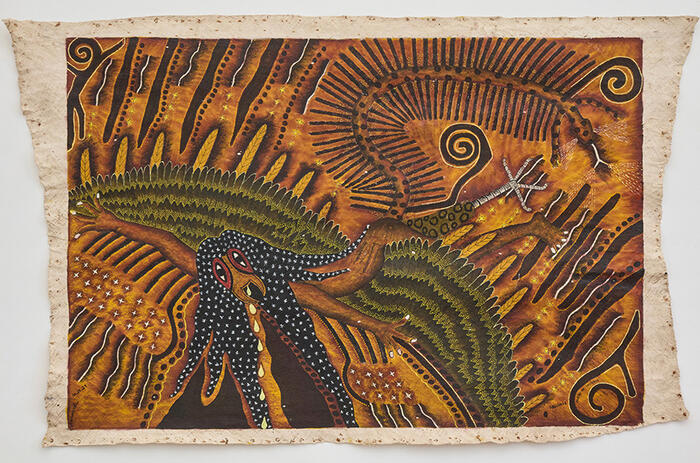
SANTIAGO YAHUARCANI: LIVING MEMORY OF THE ÁIMENI CLAN IN NEW YORK

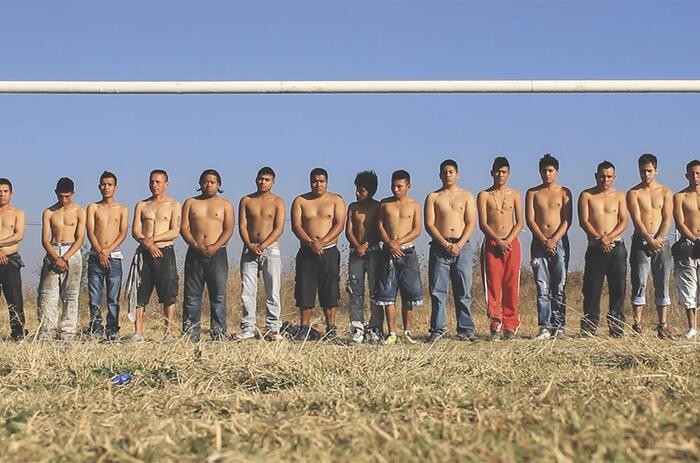
FOOTBALL AS A GLOBAL CULTURAL AND ARTISTIC PHENOMENON AT JUMEX
At a moment when the world unites around the ball, Football and Art. That Same Emotion invites us to reflect on the sport’s power to bring communities together, build imaginaries, and transcend borders.