
By
Violeta Méndez
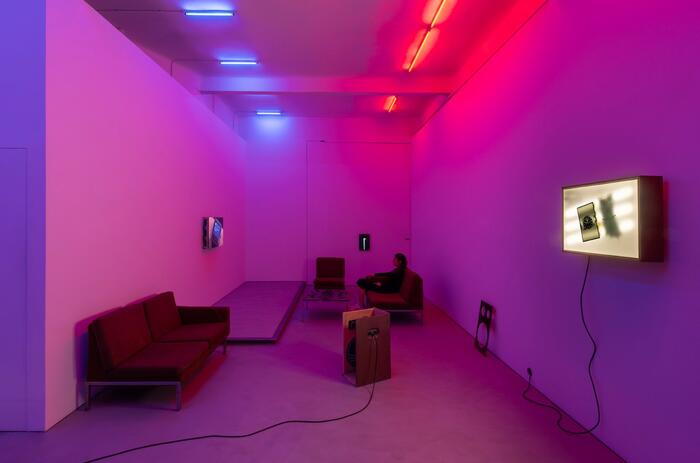
Luz, color y espacio, the exhibition presented by the Museum of Latin American Art of Buenos Aires in collaboration with Dia Art Foundation, offers an experience in which color and space envelop the viewer. It will be open to the public through August 17.
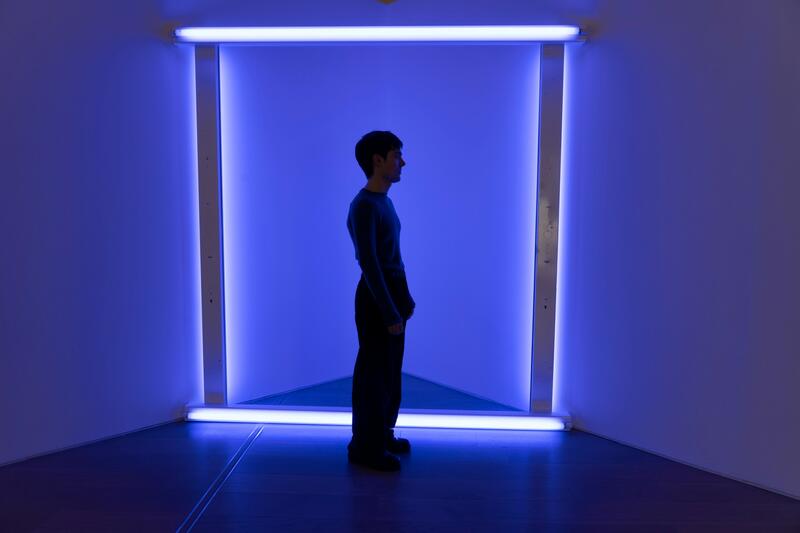
At some point in art history, gold leaf was used to represent light in an image, to evoke the divine; then came fluorescent tubes. The artist Dan Flavin (New York, United States, 1933–1996), known for his light sculptures, built a foundational body of minimalist work throughout his career. Buenos Aires revisits his trajectory at Malba, which presents Luz, color y espacio (Light, Color and Space), a tribute to his work that also functions as a reflection on the technological shifts of history.
Flavin's Catholic upbringing led him to linger on Gothic imagery. Just as churches intertwined light and architecture, so did the American artist. In the 1960s he broke with the tradition of Abstract Expressionism — the movement then dominant in the United States, which prioritized the artist's emotional expression — and began treating the viewer as a participant in the work. He took an industrial object and built luminous monuments with pink, green, yellow, and orange office lamps that strike against white walls, against skin, against eyes, conquering corners, ceilings, floors. Flavin challenged the limits of what could be considered art. His works dye everything within reach in service of his thesis: color is an experience.
Like many artists of the last century, Flavin turns the viewer into an active element of the work. He modulates light, color, and space — three elements that allow him to play with the audience's perception. Monument 4 for Those Who Have Been Killed in Ambush (to P.K. who reminded me about death) (1966) is one of the pieces in the exhibition. Through its title and its form, the artist meditates on his time and alludes to the Vietnam War, saturating the space with four blood-red lamps. The viewer, too, is bathed in red, made complicit; the work overflows its boundaries.
The fluorescent tube was, at that time, an industrial and everyday object — accessible, mass-produced, available in nine commercial colors. Flavin took it and turned it into sculpture. Between 1966 and 1971 he produced a series of nine pieces, each dedicated to a European couple, each using one of those nine available colors. Two front-facing tubes, four backlit, a structure installed in a corner that paints it: the hues merge, the direct frontal light cuts against the background, and architecture transforms into artwork. Art shifts with its time, exposing what society experiences, and in the twentieth century it drew closer to the everyday and registered technological change. Those lamps are now discontinued.
Gold leaf made light eternal. Flavin let it escape.
Dan Flavin: Luz, color y espacio is on view through August 17 at Malba, Av. Figueroa Alcorta, Buenos Aires, Argentina.
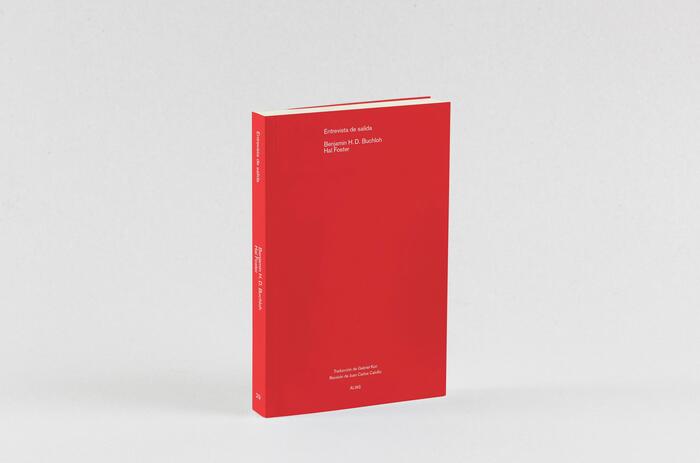
Alias editorial publishes the Spanish translation of the conversation between Benjamin H. D. Buchloh and Hal Foster, conceived as the farewell of one of postwar art criticism's central figures.
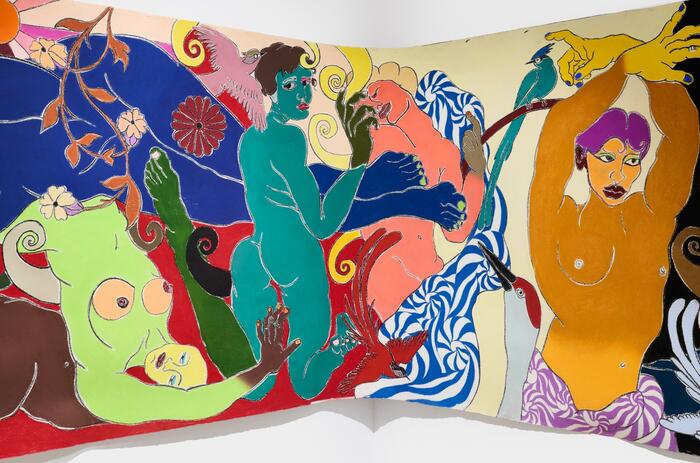
Argentine artist Amparo Viau is presenting her work at ArtNoble Gallery in Milan, Italy, through June 30. The exhibition features a large-scale installation consisting of a continuous drawing approximately forty meters long, created in chalk pastel on paper, along with a series of drawings and bodily fragments that expand upon the themes explored in the main piece.
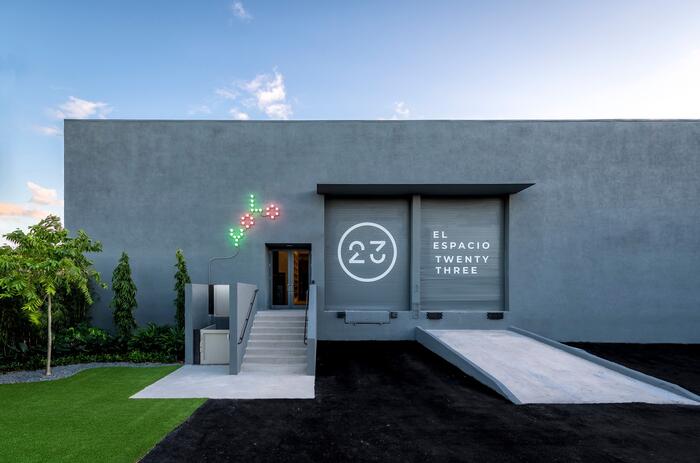
The first collaboration between El Espacio 23 and Fundación Ama Amoedo places two Argentines at the heart of one of the most dynamic ecosystems for Latin American art.
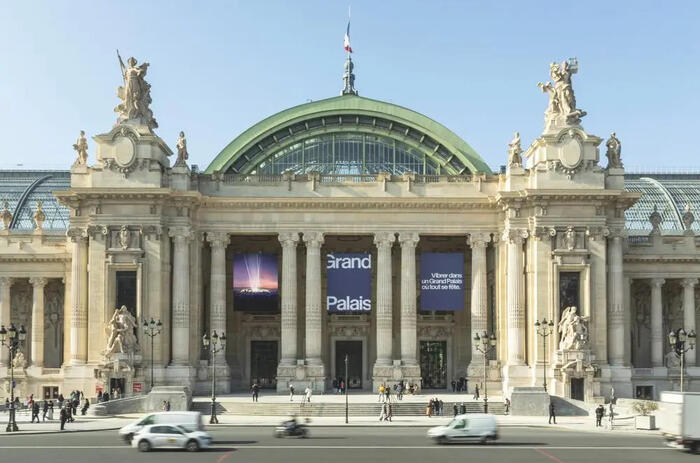
The Buenos Aires artist has turned the prestigious French building into his new stage: climbable structures, houses suspended in mid-air, and impossible staircases, through September 6.
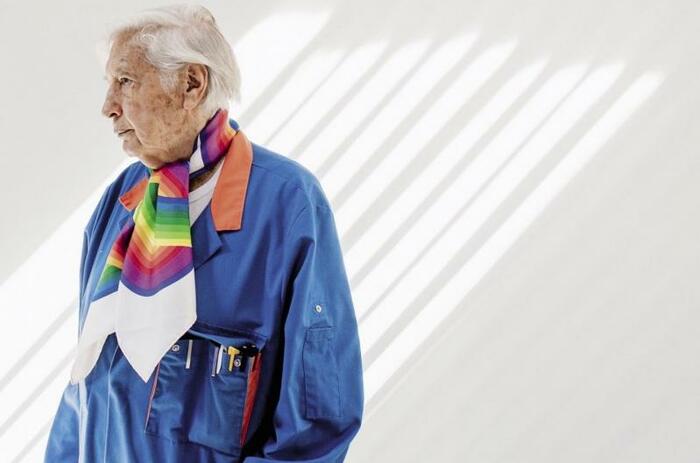
He was 97 years old and had been hospitalized for two days at the American Hospital of Paris. On June 11, a major retrospective was set to open at the Tate in London.
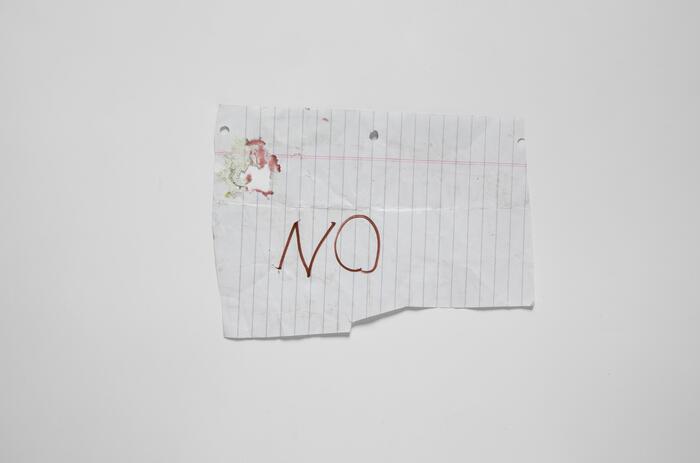
In RETOUR the Argentine artist builds a cartography of the city from discarded papers bearing writings that were never meant to be read; on view through August 9, 2026, at Museo Sívori, Buenos Aires.
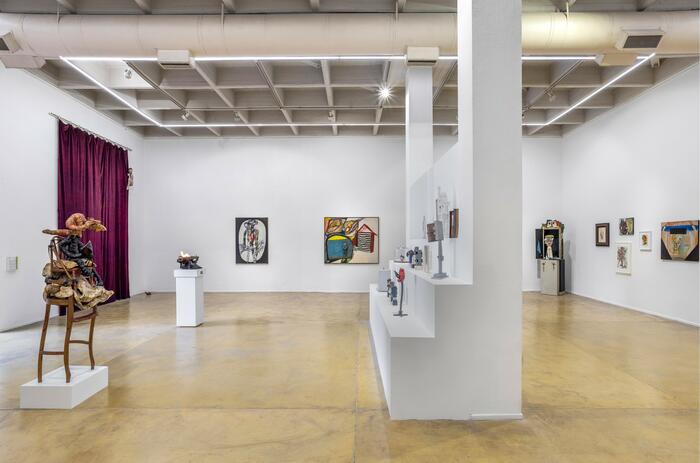
"Things house spirits, or at least sprites, and for the collector—possession is the most intimate relationship that one can have with objects: not that they come alive in him; it is he who lives in them."
Walter Benjamin: Unpacking My Library: A Talk about Book Collecting (1931)
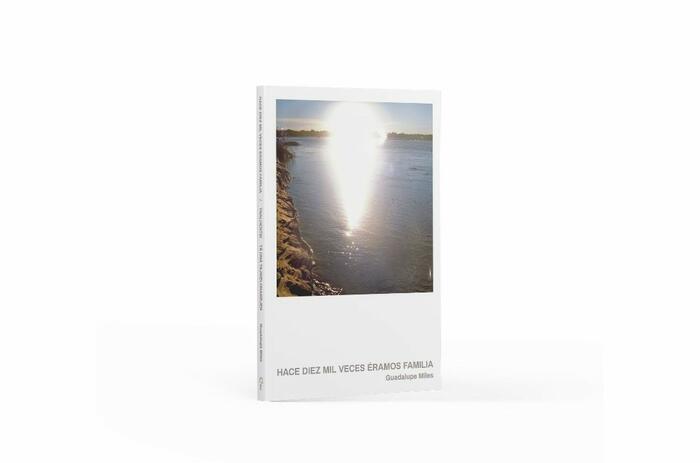
The Argentine artist's Guadalupe Miles book, edited by Julieta Escardó, documents her bond with the Wichí Santa Victoria II community.
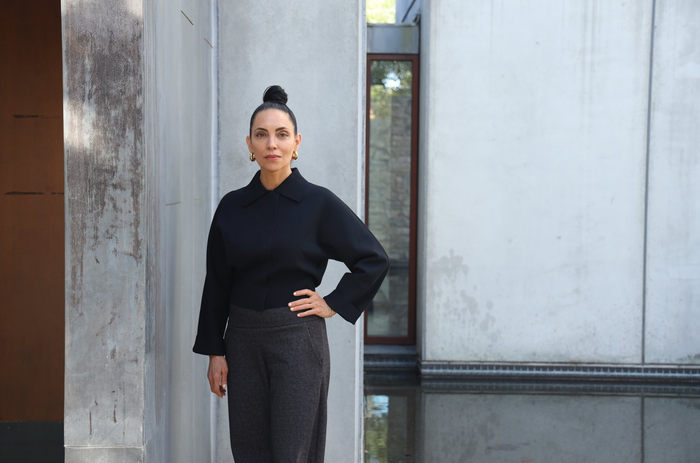
After nearly a decade closed, The Menil Collection's Fresco Building reopens with a meditation on spirituality and matter.

The museum welcomes Juan Del Prete and, for the first time, Líbero Badíi, along with donated pieces by Jorge Pineda, Mario Testino, and Margarita Paksa.
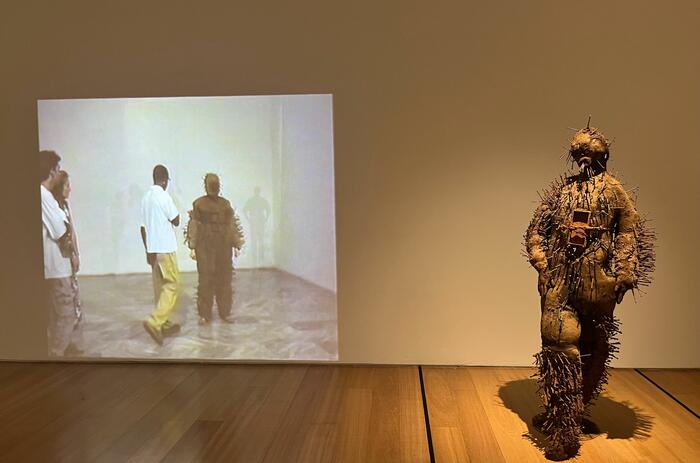
Thirty works join the exhibition starting Saturday, September 19, including pieces from the Colección Daros Latinoamérica.