“EXIT INTERVIEW”: BUCHLOH’S CRITICAL LEGACY, NOW IN SPANISH
Alias editorial publishes the Spanish translation of the conversation between Benjamin H. D. Buchloh and Hal Foster, conceived as the farewell of one of postwar art criticism's central figures.
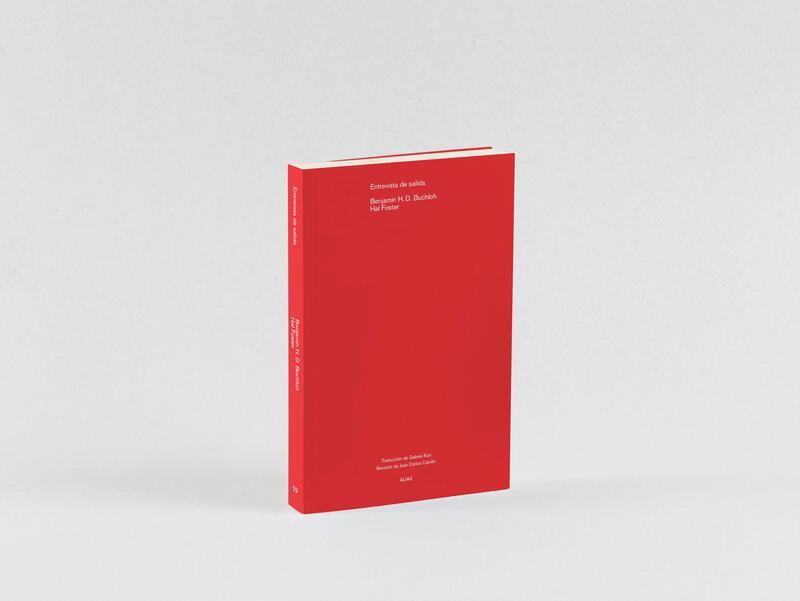
Alias editorial presents Entrevista de salida, the Spanish translation of Exit Interview (No place press, United States, 2024), an extended conversation between art critics and historians Benjamin H. D. Buchloh (Cologne, 1941) and Hal Foster (Seattle, 1955). The volume was conceived as Buchloh's farewell after six decades of critical work between Germany and the United States. The translation is by Mexican artist Gabriel Kuri, with technical review by Juan Carlos Calvillo.
The conversation unfolds in three parts — Biographemes, Schisms, and Dissents — tracing Buchloh's intellectual and personal trajectory: his years in the Berlin communes, a period in London as a fiction writer, his return to Germany in 1971 to work in galleries, edit the influential journal Interfunktionen, and teach at the Düsseldorf Academy. From there, the dialogue moves toward his relocation to North America and his collaborations with Foster, including the journal October and the book Art Since 1900 (2004). Throughout, figures such as Michael Asher, Marcel Broodthaers, Louise Lawler, Gerhard Richter, Martha Rosler, and Lawrence Weiner emerge as recurring reference points.
-
Gerhard Richter. Court Chapel, Dresden, 2000
What sets the book apart from a conventional interview is its dialectical depth. Foster does not interrogate Buchloh — he thinks alongside him, identifying the "fascinating contradictions" that structure his approach. The conversation preserves the intimacy of a frank exchange between two longtime colleagues while sustaining precise analysis of the ties between art, politics, and the social, institutional, and economic structures that shape artistic practice. The book closes with an epilogue by Buchloh reflecting on the potential of critical art in the face of the relentless commodification of everyday life.
Translator Gabriel Kuri noted that working on the book confirmed how much his own theoretical framework owes to both authors, but that the real reward came as surprises: "perhaps the most striking thing across their erudite, candid, and varied conversations is the scale of what they were unable to cover" — and with that, the reminder that criticism, theory, and art history are necessarily collective endeavors.
Entrevista de salida is now available through SP Distribuciones for bookstores in Mexico and at aliaseditorial.com, with distribution in Spain via MiraLookBooks, in Colombia via Saga Libros, and in Argentina via Big Sur. A series of presentations begins online and continues in person from July 19.
Related Topics
May interest you
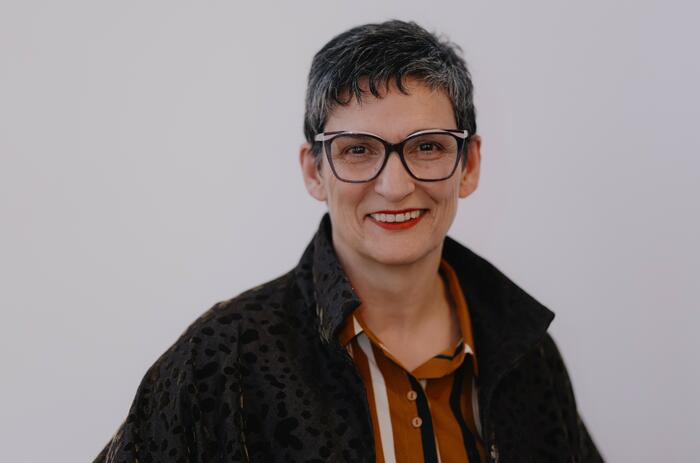
NURIA ENGUITA: “MUSEUMS DO NOT SPEAK FROM A NEUTRAL POSITION, BUT FROM A CONTEXT THAT SHOULD BE MADE VISIBLE”
Interview with Nuria Enguita, Artistic Director, MAC/CCB – Museum of Contemporary Art and Architecture Centre (Museu de Arte Contemporânea e Centro de Arquitetura), Lisbon.
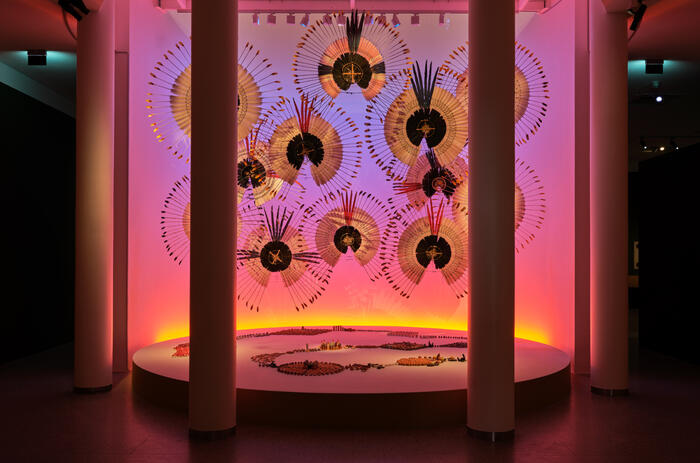
THE BUNDESKUNSTHALLE RECONSIDERS THE AMAZONIAN IMAGINARY BEYOND EXOTICISM
An extensive exhibition in Bonn featuring more than 400 works and objects presents Amazonia through the perspectives of its Indigenous peoples, exploring their cosmologies through a dialogue between contemporary artistic practices and historical artefacts.
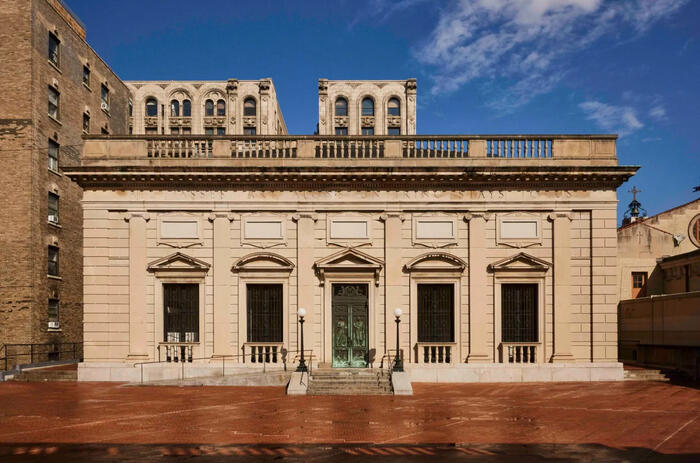
ALFREDO JAAR INDUCTED INTO THE AMERICAN ACADEMY OF ARTS AND LETTERS
The acclaimed Chilean artist joins the institution that brings together the most distinguished figures in architecture, visual arts, literature, and music in the United States.
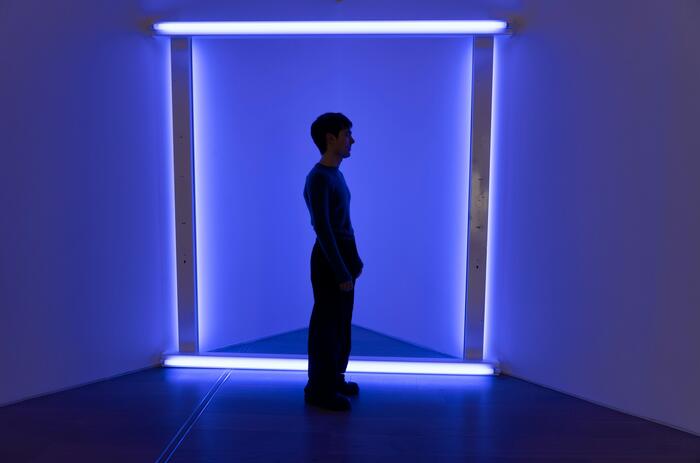
FROM RELIGIOUS ICONS TO FLUORESCENT ICONS: DAN FLAVIN AND LIGHT AS EXPERIENCE AT MALBA
Luz, color y espacio, the exhibition presented by the Museum of Latin American Art of Buenos Aires in collaboration with Dia Art Foundation, offers an experience in which color and space envelop the viewer. It will be open to the public through August 17.
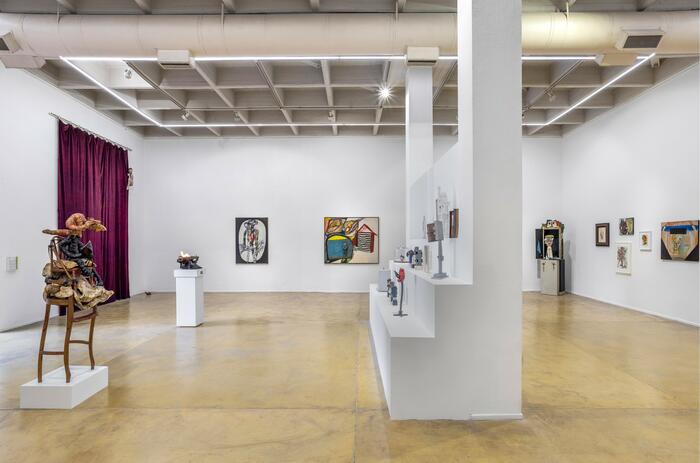
THE THINGS OF A FAMILY HOME: ON THE HELFT COLLECTION AT W—GALERÍA
"Things house spirits, or at least sprites, and for the collector—possession is the most intimate relationship that one can have with objects: not that they come alive in him; it is he who lives in them."
Walter Benjamin: Unpacking My Library: A Talk about Book Collecting (1931)
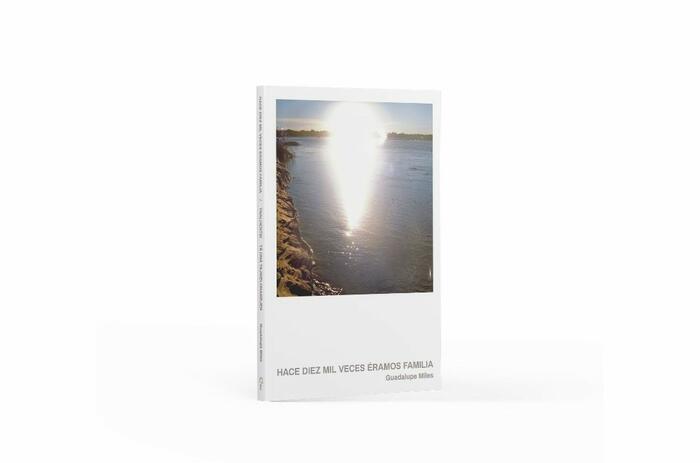
“TEN THOUSAND TIMES WE WERE FAMILY” AT THE MUSEO NACIONAL DE BELLAS ARTES
The Argentine artist's Guadalupe Miles book, edited by Julieta Escardó, documents her bond with the Wichí Santa Victoria II community.
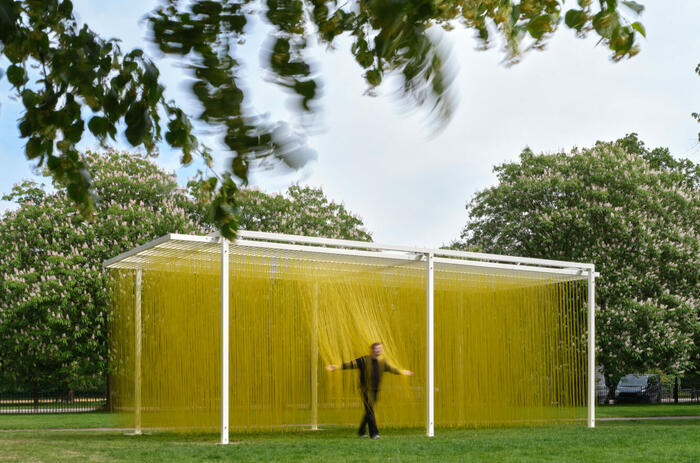
SPACE MATTERS MORE THAN ANY OBJECT WITHIN IT: THIS IS THE WORK OF JESÚS SOTO
A 10-metre-long sculpture by the acclaimed Venezuelan artist is on view in Kensington Gardens, inviting visitors to experience art both physically and visually.
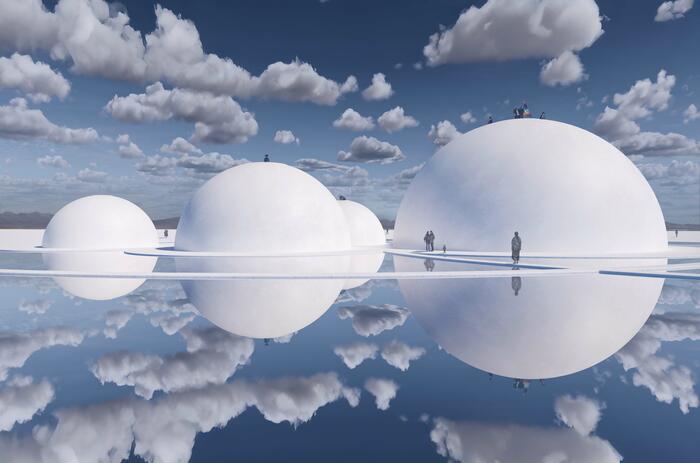
TOMÁS SARACENO IN MUNICH: ECO-SOCIAL WAYS OF COEXISTENCE ON EARTH
"When the flame drinks from the stars and the spider weaves cycles of life, where the sky touches the earth and time expands like salt...", this is how Tomás Saraceno describes the exhibition Ancestral Futures at Haus der Kunst.
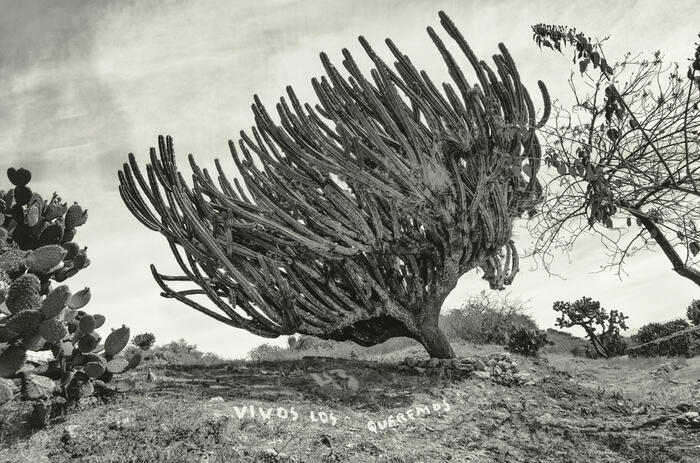
GETTY PUBLISHES “INSTANTE/REVELACIÓN”, A CENTURY OF MEXICAN PHOTOGRAPHY
The J. Paul Getty Museum's new bilingual book brings together nearly 150 images by Lola and Manuel Álvarez Bravo, Graciela Iturbide, and Pablo Ortiz Monasterio, among others.