
By
Esther María Arjona
Video, textiles and the body make up a network of relationships in constant construction in the exhibition curated by Irene Gelfman with the participation of artists from Latin America.
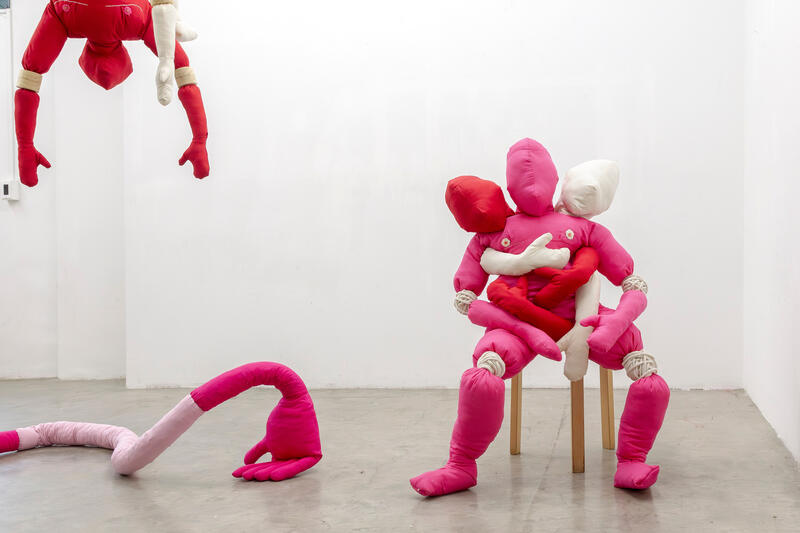
Artists from different latitudes of the region who use video, textiles and the body as a support for work were invited to participate in an exhibition within the framework of Pinta Panamá Art Week. "In a way, the common thread is the body placed either as a support in the performative, also in the video, in the fabrics," reflects Irene Gelfman, curator of the exhibition Territorios en conexión (Territories in Connection), which is presented at Ciudad de las Artes in Curundu, Panama City.
Gelfman considers that "in each fabric, in each stitch there is a tradition, a memory that is transmitted and that is also very physical; there is some movement that generates the union of these three practices that connects with this idea of territory." It is a construction that is not limited to geography, but is forged from ancestry. "It has to do with how traditions are united, how they are built with memories, with everything that transmits heritage," he adds. For the curator, in these three practices, this constant construction is very latent and raises the idea of a "territory in connection".
Territorios en conexión presents the possibility of thinking of territory as a network of relationships in constant construction. (…) Among their works appear affinities, distances and tensions. A logic of homologation, where certain questions are repeated from different places. A fabric where no stitch is the same. What is seen on the surface is only part of the process: behind each thread there are displacements and memories that sustain each other and where multiple layers coexist," details the exhibition's press release.
The exhibition proposes a space for observation on the Panamanian art scene and its links with the regional context. The works of Lulu V. Molinares activate textiles as an exploration of the body and contemporary identities, imagining forms of existence that challenge the normative structures that have historically regulated bodily experience. While Sandra Monterroso's practice recovers textile knowledge as vehicles to restore and preserve ancestral knowledge that survived the processes of colonization. Antonio José Guzmán and Iva Jankovic use fibers, natural pigments and inherited techniques to connect present and past, matter and memory. In the work of Ana Teresa Barboza, natural fibers and artisanal textile techniques expand to compose landscapes where living beings and cultural productions coexist: the best way we have to leave a mark on human beings.
The body also appears as a territory where care, illness, healing and resistance are inscribed. In Ana Elena Tejera's performance, there is a longing to reconnect with the echoes of the memories of the communities buried under the waters that now flow through the Panama Canal. In the pieces by Milko Delgado and Cristina Flores Pescorán we see how textile processes and organic materials are integrated into rituals that question the dominant narratives about health, knowledge and the relationship between body and community. Ana Elena Garuz creates abstract pieces from textile cut-outs, which can be perceived as expressions of geographical accidents.
Although each artistic approach uses different vehicles, in common there is still a search to share a sensibility that establishes various links and transformations of the territory. Each work intertwines stories, bodies and landscapes in a very particular way, evidencing the different points of view that coexist within the Panamanian art scene.
The participation of these artists took shape through a process of research into what they have been doing and also the impact that their work has on Panama City. Although Gelfman does not know all the artists personally, he has followed the artistic trajectory of each one for a long time. Most of them are pieces that have been part of exhibitions in Panama City. Others are exhibited for the first time in the country and a piece like Milko Delgado's has been created specifically for the exhibition and is inspired by the tradition of Panamanian polleras.
The intention is to "unite this as the different moments or actions that happened throughout Panama and show precisely how Panama is a place that is a point of contact for the arts of Central America and the entire region; to show the richness that Panama has with the diasporas, with cultural exchanges, with this melting pot of races that is this country," Gelfman concludes.
The Salvadoran curator reflects on the relationship between art, memory, and politics, and on how his work at Y.ES Contemporary seeks to generate opportunities for local artists while building networks with the international scene. He will be participating in the 2026 edition of Pinta Panamá in the FORO talk.
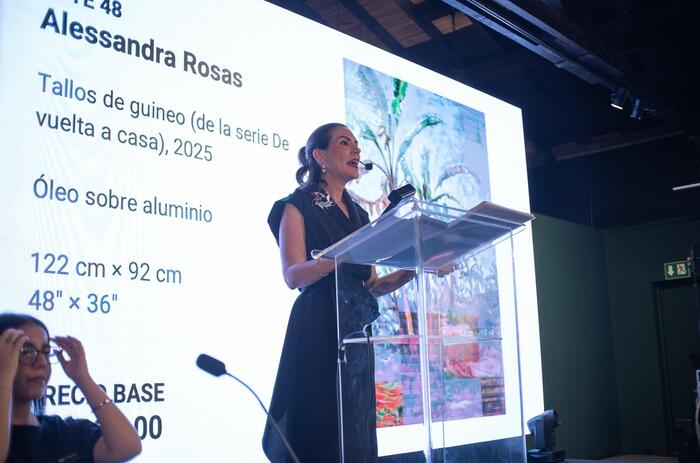
The executive director of MAC Panama, who will participate in the discussion Building Institutional Stories, part of the Pinta Panamá FORO initiative, envisions great opportunities for Central America with the strengthening of its institutions and joint work.
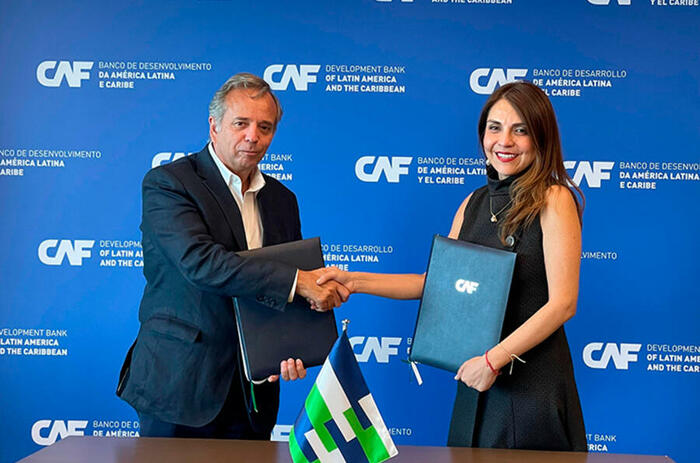
The collaboration between the two institutions will promote cultural platforms, professional exchanges, and spaces for dialogue aimed at advancing Latin American art and its international projection.
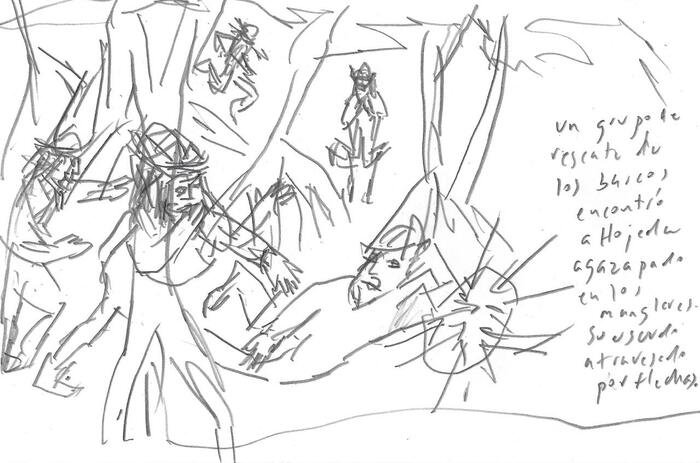
During the Central American country’s art week, works that study histories, recreate them, and bring them into reflection will be presented. From the play with materials to the manipulation of space, Lulu Molinares, Cisco Merel, Arístides Ureña Ramos, and Isabel de Obaldía create pieces that propose alternative readings of memory, territory, and everyday life.
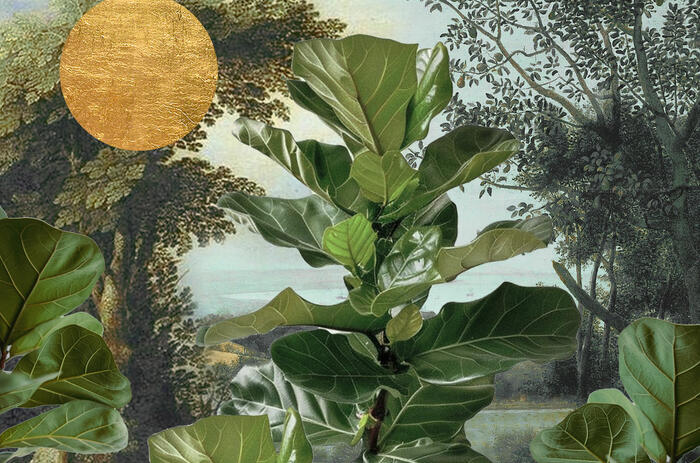
The event will unfold a public and free program including exhibitions, tours, talks, film screenings, music, and cultural and touristic experiences.
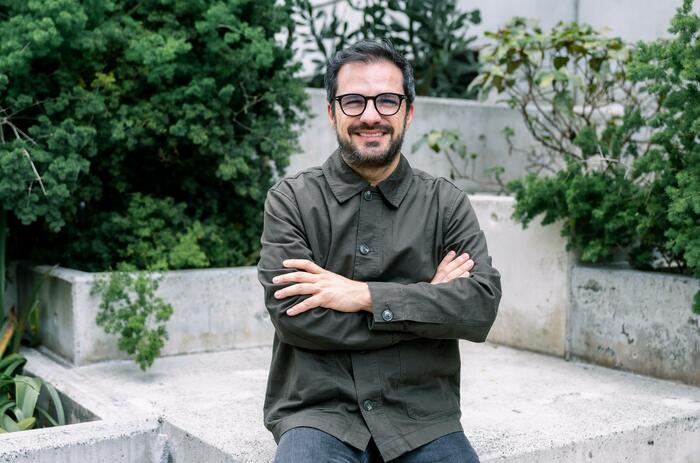
Con una formación atravesada por las humanidades y una trayectoria en políticas culturales, Rafael Tamayo impulsa un modelo de museo que se piensa en relación con su contexto social. Director del Museo de Arte Moderno de Medellín, será parte del FORO de Pinta Panamá, donde pondrá en discusión las formas en que las instituciones construyen relato, comunidad y debate en la región.