

By
Violeta Méndez
For 66 days, the exhibition will spread throughout the city, bringing together works by 76 artists from different regions of the world, focusing on exchanges between various social contexts and artistic languages as a way to explore the multiplicity of experiences between art and life.

With the concept of "Estalo" (Snap) as its central theme, the Mercosur Biennial is set to open on March 27, 2025, expanding across 18 different institutions in Porto Alegre, some of which are participating in the Biennial’s program for the first time. The curatorial concept of the exhibition primarily aims to explore the notion of transformation. In the snap of a finger and a brief moment in time, our bodies and nature, for example, undergo transformations of various magnitudes.
The artistic team, led by chief curator Raphael Fonseca, has designed an exhibition program and activities that bring a vast diversity of works, interests, and worldviews to Porto Alegre, as reflected by the artists involved. These artistic projects mirror their geographical and cultural contexts, spanning from abstraction to more documentary-driven approaches. This zigzag of different artistic investigations is what defines this edition of the Biennial.
The 14th Mercosur Biennial aims to reach a broader and more diverse audience, with a strong commitment to mediating art for both local and global audiences. This is also evident in the list of participating artists, which includes a significant presence of representatives from Latin America and Asia. Of the 76 artists featured, around 65% are international, and most of the works have been commissioned by the Biennial.
In addition to being presented at institutions with a historical connection to the Biennial—such as Farol Santander, the Museu de Arte do Rio Grande do Sul (MARGS), and Usina do Gasômetro—this edition extends to other areas of the city, including the neighborhoods of Lomba do Pinheiro and Restinga, as well as units of Estação Cidadania. Moreover, for the first time, the Biennial will be present at Cinemateca Capitólio, Pop Center, Museu do Hip Hop, and Fundação Vera Chaves Barcellos in Viamão. This expansion is expected to reach new audiences in the Greater Porto Alegre region.
Some of the artists participating in the Biennial
Claudia Alarcón (Argentina, 1989) is an artist and artisan of the Wichí people. She is one of the coordinators of the Silät group, which brings together Indigenous weavers from Santa Victoria Este. In her work, she weaves images that are part of her people's collective memory and imagination, blending worlds and times. She has exhibited in Argentina, Germany, Puerto Rico, Paraguay, the United States, and Portugal. She received the First Prize in the Textile Discipline at the 110th National Visual Arts Salon at the Palais de Glace. Together with Silät, she is one of the artists at the 60th Venice Biennale. She lives in Salta, Argentina.
Freddy Mamani (Aymara/Bolivia, 1971) is a builder, civil engineer, and architect. His work is recognized as the New Andean Architecture. Mamani is renowned for his vibrant and colorful buildings, particularly in El Alto, a city near La Paz, Bolivia, where he has designed over a hundred structures that have become a source of national pride. His unconventional buildings integrate a diverse range of aesthetics, including modern Western architecture, Latin American and Chinese Baroque, Andean and folkloric influences, as well as elements of futurism, anime, and science fiction. His work has been exhibited at the Fondation Cartier in Paris, MoMA, and the Sydney Biennale. He lives in El Alto, Bolivia.
Julia Isídrez (Paraguay, 1967) learned to work with clay from her mother, Juana Marta Rodas (1925–2013). Together, they honored a centuries-old tradition dating back to the pre-Columbian era in Paraguay, following the techniques of their Guaraní ancestors. Her work is created in collaboration with family members and partners at the Casa Museo Arte, where she teaches and produces her pieces. She has exhibited in solo and group shows at institutions such as the 60th Venice Biennale, Museo del Barro, the 2nd Mercosur Biennial, the Santiago Triennial, and dOCUMENTA 13. Her works are part of the collections of the Fondation Cartier pour l'Art Contemporain, the Denver Art Museum, and Museo del Barro. She was also part of the third edition of Pinta Sud (now Pinta Paraguay). She lives in Itá, Paraguay.
Santiago Yahuarcani (Cocama/Uitoto/Peru, 1960) is a visual artist and leader of the Uitoto people. His work revolves around Amazonian ontologies and the politics of genocide against Amazonian communities. His paintings exhibit great compositional freedom and respond in various ways to his social context. His pieces are often created on the surface of "llanchama," the bark of a fig tree. He participated in the 60th Venice Biennale. His work is part of the collections of the Lima Museum of Art and MoMA, and has been shown in institutions across Latin America, the United States, Europe, and Asia. He has also participated in the tenth edition of Pinta PArC (now Pinta Lima) in the Amazon section. He lives in Pebas, Peru.
Zé Carlos Garcia (Brazil, 1973) is a visual artist. He studied sculpture at the School of Fine Arts of the Federal University of Rio de Janeiro and attended the Visual Arts School at Parque Lage. Garcia's sculptures combine limbs of different species or mix feathers with wooden furniture parts, creating hybrids that retain the meanings of their components while also sparking curiosity about their nature. His work has been exhibited in solo and group shows across Brazil and Europe. His pieces are part of the collections of Instituto Inhotim, the Museum of Art of Rio, and the Marcos Amaro Foundation. He lives in Rio de Janeiro, Brazil.
*Cover image: View of the exhibition Cascarón, by Wiki Pirela, at Galería Patricia Ready, Santiago, 2023. Photo: Jimena Carolina
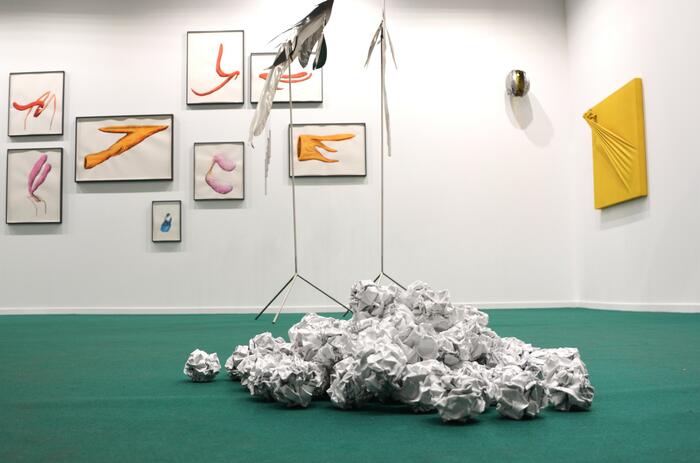
With strong gallery participation, ARCO is an interesting point to measure how the proposals reach the visitor and the collector. The choices based on aesthetic or commercial criteria create synergies that shape a fluid and sometimes circumstantial representation of each catalog. From Arte al Día, we delve into ten of those catalogs, expanded to variegated universes, monographs and dialogues that show a sample of the approach of Latin American galleries in their presence at the Madrid fair.
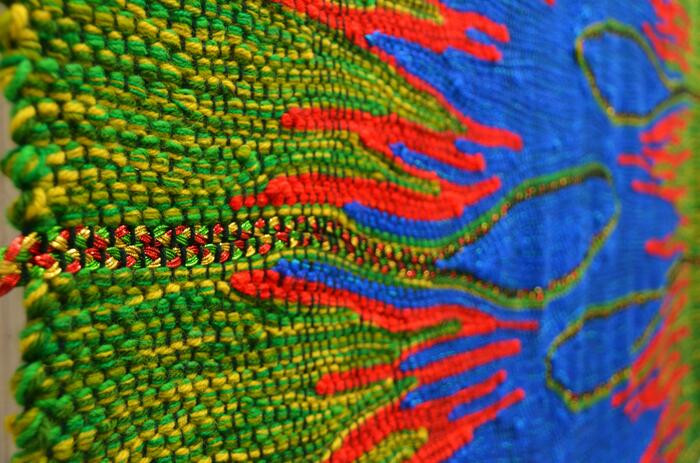
The Latin American presence at ARCO is consolidating year after year, establishing itself as a primary guiding thread beyond market trends, becoming a significant part of the identity of the Madrid fair. In this sense, the participating galleries in the various programs showcase well-established names as well as younger or more radical bets, shaping an ecosystem in which various productions can be analyzed.
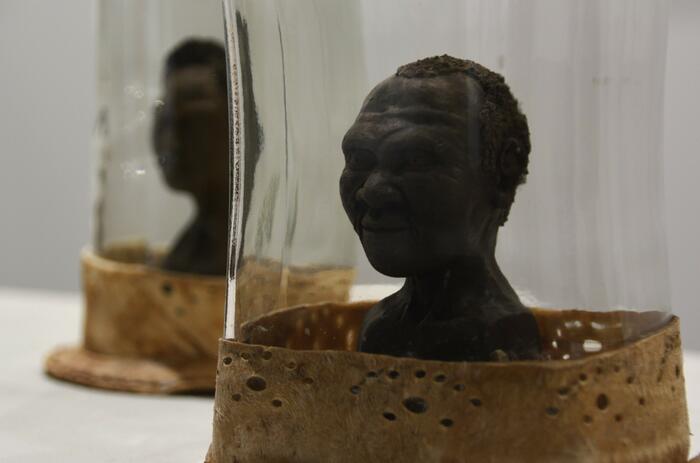
The organization has entrusted Mexican curator José Esparza Chong Cuy with the development of Perfiles | Arte latinoamericano, a curated journey that highlights, through ten selected figures, the diversity of visual approaches. As the curator himself states, it offers "a broad panorama of how to identify as artists and build community, proposing new ways of making, thinking, and living together."
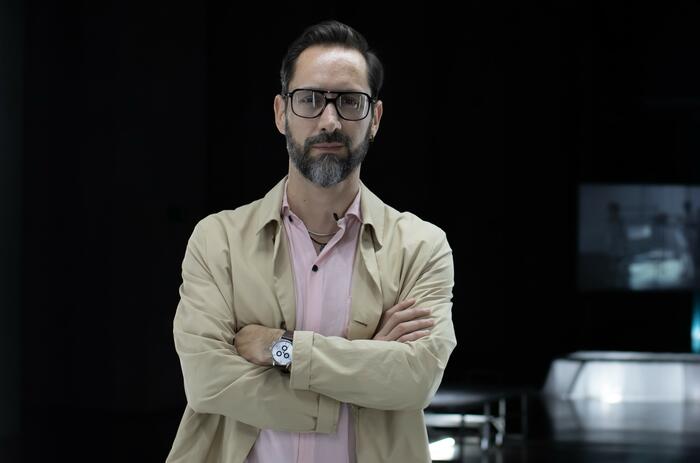
Panama is preparing to become the epicenter of regional art with the first edition of Pinta Panama, May 21-25, 2025. At an effervescence moment for the local artistic ecosystem, the fair seeks to consolidate the Panamanian scene, promote the circulation of artists and create a meeting space for the artistic currents of Central and South America. Emiliano Valdes, general curator of the project, shares his vision of Panama's potential as a cultural connection point.
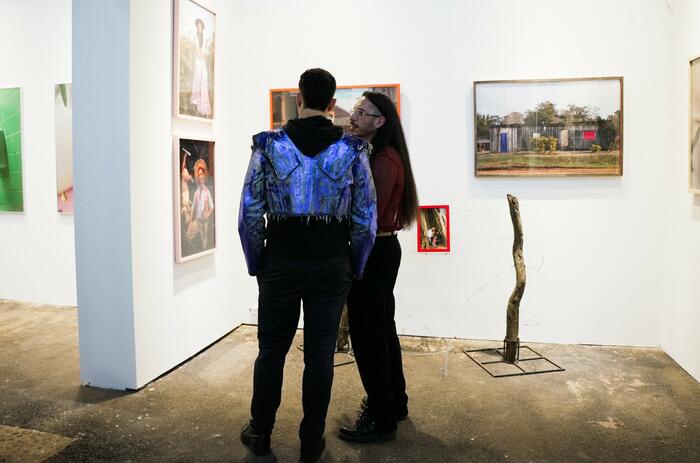
The fair has officially announced the opening of applications for exhibiting galleries interested in participating in this edition. The application deadline is May 15, 2025.
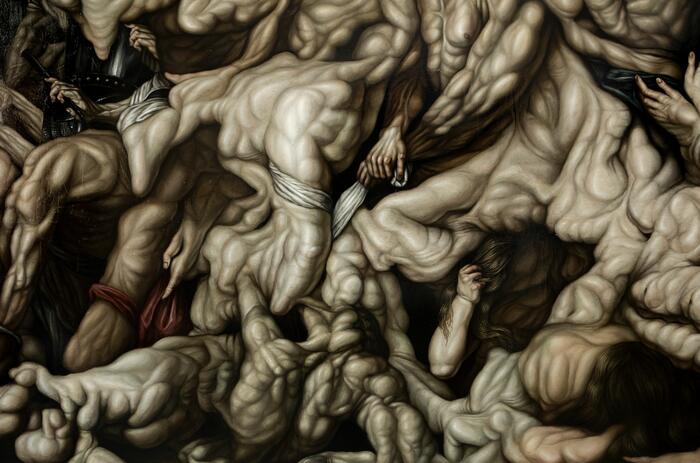
The renowned artist Moico Yaker returns to the exhibition halls with a solo show after six years to present Conversaciones en el zoológico (Conversations at the Zoo), while Rafael Pascuale explores the relationship between the body and fragility in Espejos de una humanidad perdida (Mirrors of a Lost Humanity).

Sesc SP announced the fourth edition of Frestas—Triennial of Arts for the third quarter of 2025 at Sesc Sorocaba. This initiative is part of the institution’s extensive cultural agenda in the countryside of São Paulo State, aiming to expand access to cultural assets, strengthen local and regional partnerships, and foster the contemporary art scene in the region.
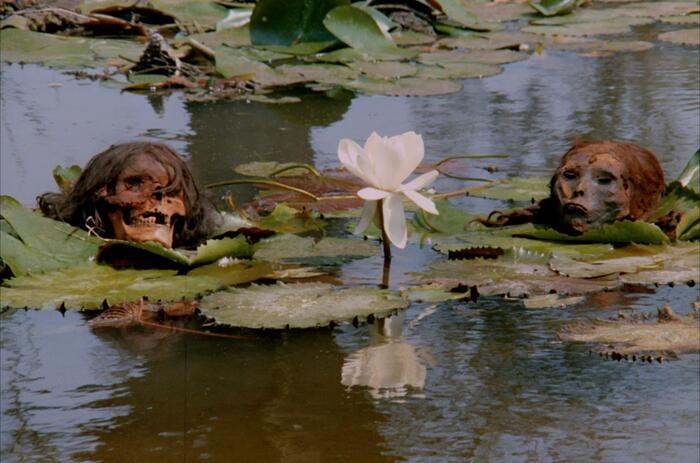
The exhibition El incondicionado desocultamiento: las experimentaciones audiovisuales de Rafael Hastings (The Unconditioned Unveiling: Rafael Hastings’ Audiovisual Experimentations) has opened at the ICPNA San Miguel space, offering a revisit of the Peruvian visual artist’s filmic work.
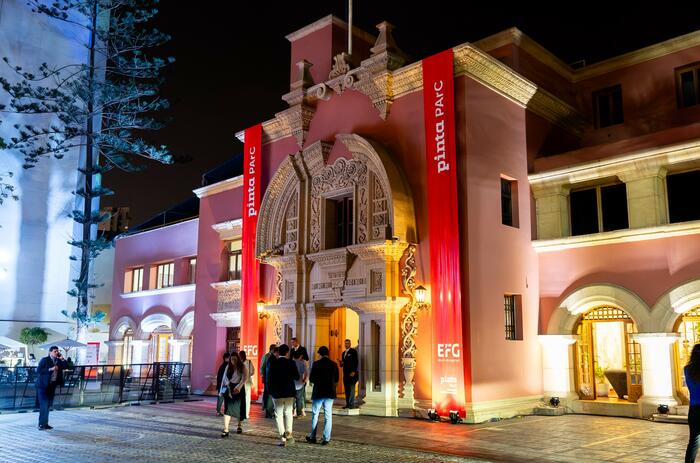
Pinta Lima is the most important contemporary art fair in Peru, presenting in its 12th edition a solid program that celebrates the diversity of the Latin American artistic and cultural scene. Located at Casa Prado in Miraflores, Lima, the fair is an essential event where a network of artists, galleries, curators, and collectors from the region connect with the international scene.
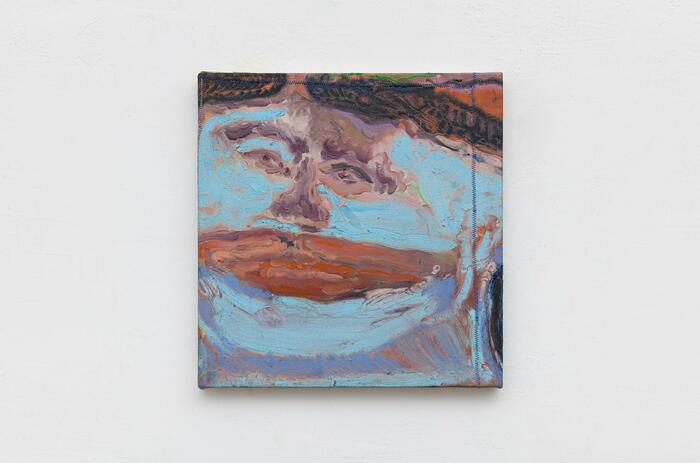
The event will bring together, for the first time, 24 art galleries and projects from different cities in Argentina, Brazil, Chile, and Mexico; it will take place on April 3, 4, 5, and 6 at Distrito Capitalinas, in the city of Córdoba, Argentina.
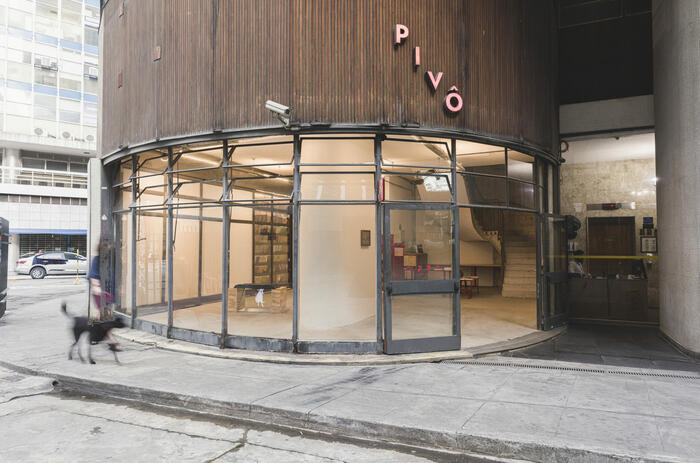
Fundación Ama Amoedo, in partnership with Pivô (São Paulo, Brazil), has an open call for visual artists of Uruguayan nationality, whether they reside in the country or not. One spot will be awarded for a three-month residency in São Paulo, taking place from August 6 to October 31, 2025. The application deadline is Friday, April 11, 2025.

Titled In Minor Keys, the 61st International Art Exhibition of the Venice Biennale will be held from May 9 to November 22, 2026. The announcement was made this Tuesday at the Sala delle Colonne in Ca’ Giustinian, the institution’s headquarters, where it was confirmed that the exhibition will follow the vision and project conceived by the late Senegalese curator Koyo Kouoh, who passed away unexpectedly on May 10.