
IGARTUA AND THE INQUIRY INTO NATURE AS A LIVING BODY
Igartua presents a pictorial practice that investigates the relationship between the human and the natural through surfaces conceived as organic membranes. Within them, beauty and disorder are set in tension to reveal nature as an enveloping and transformative organism.
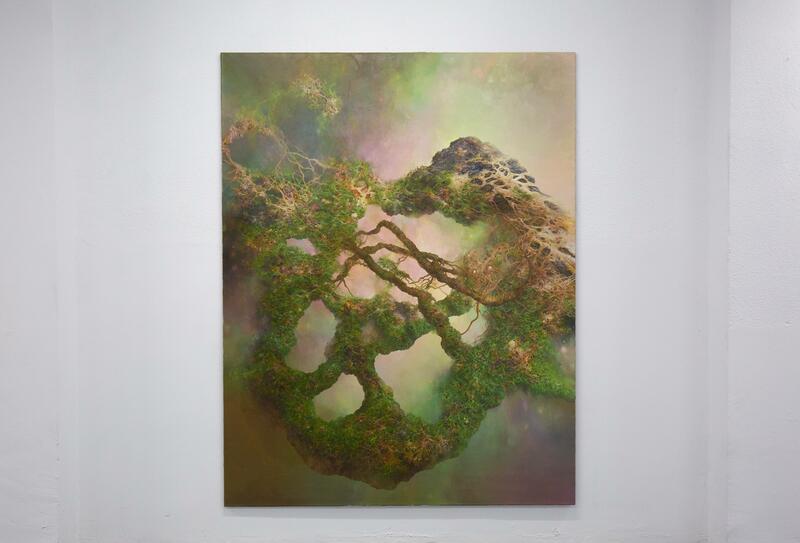
Enhorabuena Espacio presents Vigía, a solo exhibition by Esteban Igartua (Lima, Peru, 1974), in which the artist unfolds a predominantly painterly and graphic proposal that delves into the relationship between nature and the human body. His works configure the surface of the canvas as organic membranes, separating, revealing, or altering layers and thus alluding to a vital quality. Through this approach, he also highlights the tension of the chaotic, the vulnerable, and the unstable—conditions that are likewise intrinsic to life.
In Igartua’s proposal, the landscapes depicted in his paintings become territories capable of accommodating a syncretism between the human and the natural. His canvases take on qualities of a living being, of skin that ages or fissures, imagining bodies that converge and dissolve into space. His images reflect, in part, the fascination of the gaze before natural beauty and the fear of being unable to control it.
With theoretical roots in accounts of exploration and in the expeditions of the German scientist Alexander von Humboldt, the Peruvian artist brings together scientific and botanical tradition with artistic practice. The result is a visual language in which enigma and the desire to uncover what lies hidden converge within a natural environment that both shelters and engulfs the human.
Esteban Igartua. Vigía can be visited until March 20, 2026, at Enhorabuena Espacio, Olvido 24, Madrid (Spain).
May interest you
DE DIER: REIMAGINING THROUGH MEMORY AND REMEMBRANCE
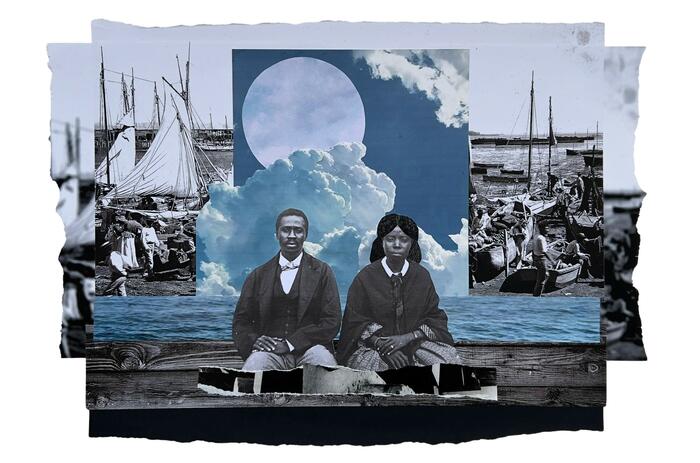
Giana De Dier presents an exhibition in Madrid that proposes a visual reflection on memory. Through archival imagery, appropriation, and the technique of collage, the Panamanian artist reconstructs the affective memory of El Terraplén in response to its recent transformation.
CHRISTIAN VIVEROS-FAUNÉ: “LATIN AMERICAN REPRESENTS A CRITICAL AND PRIVILEGED STANCE TOWARD POWER FROM THE ‘MARGINS’ OF THE EMPIRE”
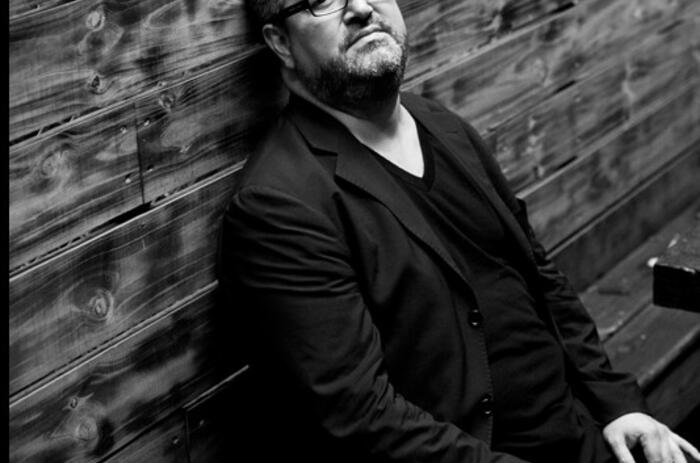
From the curatorship of the Foco LATAM program at CAN Art Fair Madrid, Christian Viveros-Fauné approaches surrealism as a tool for reading global uncertainty, while advocating for painting and Latin American artistic practices as spaces of resistance and the creation of new imaginaries.
THE AESTHETIC TRANSFORMATION OF FUNCTIONALITY: REINOSO AT MNAD
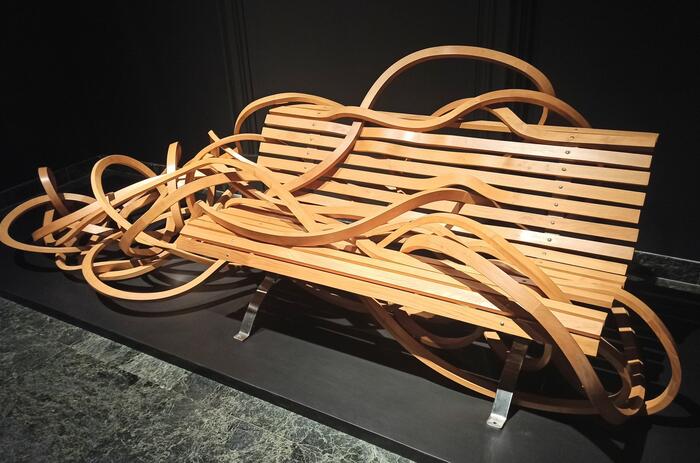
La vida se mueve delves into Pablo Reinoso’s most recognizable artistic practice: the transformation of everyday objects into sculptural works that explore existential fragility in dialogue with space and surrealism.
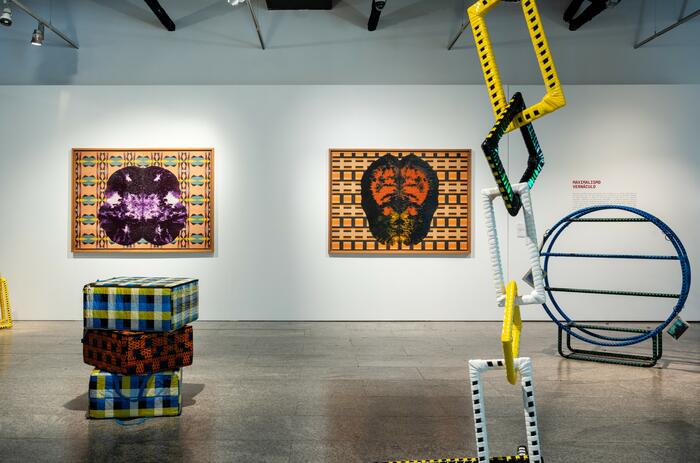
EVERY CENTER OF QUISQUEYA HENRÍQUEZ
The Complutense Art Center explores the work of Quisqueya Henríquez, a practice rich both technically and conceptually, which employs social critique, creolization, and multidisciplinary semantics as analytical tools for the discourse of the Caribbean.
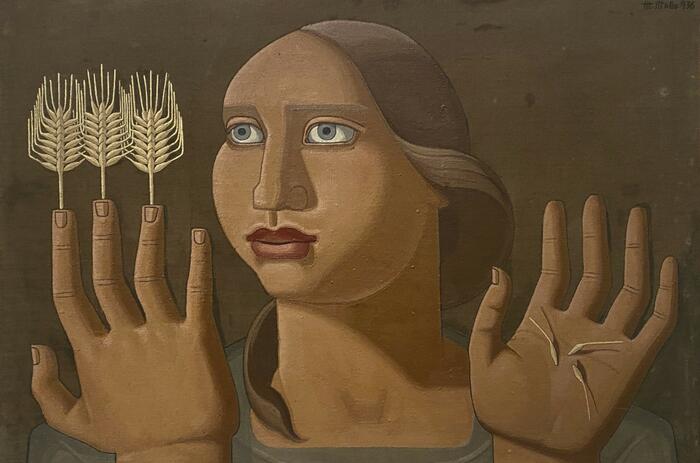
THE REINA SOFÍA STRENGTHENS THE FIGURE OF MARUJA MALLO
Máscara y compás underscores the importance of Maruja Mallo’s Latin American exile as a key stage in her artistic renewal, during which her avant-garde language expanded through the integration of the cultural and symbolic realities of Latin America.
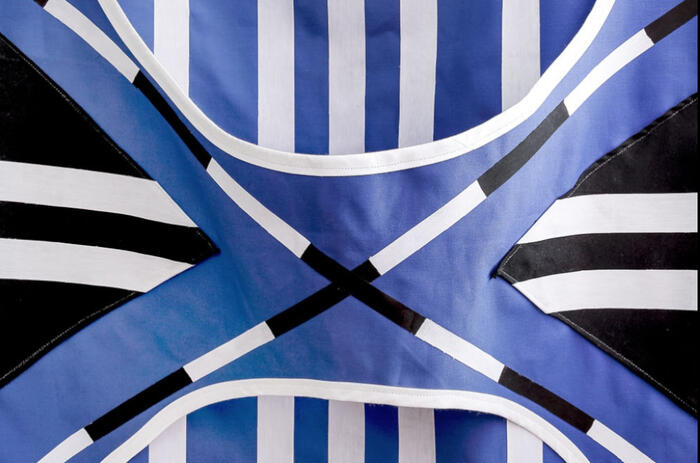
VALERIA MACULAN: TRANSFORMING SPACE THROUGH THEATRICAL LANGUAGE AT CENTRO PÁRRAGA
Valeria Maculan presents an installation that turns the exhibition space into a stage shared with the audience. The work uses large, foldable textile figures to create a theatrical environment that evokes archetypes, myth, and ritual.
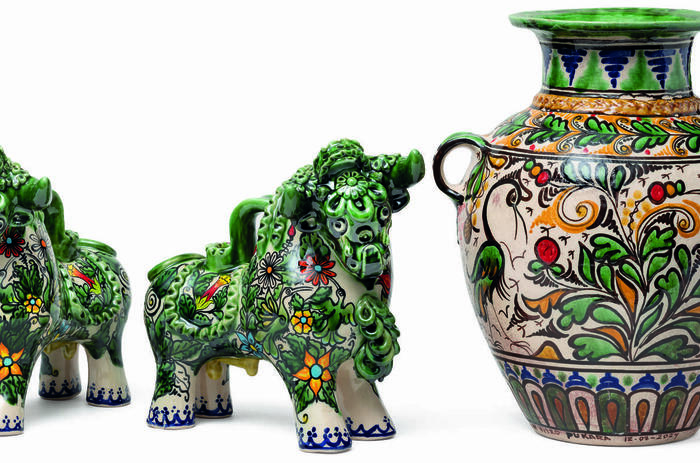
MALI PRESENTS ITS 2026 SUMMER AUCTION AND FESTIVE GALA
With the aim of safeguarding and promoting Peru’s artistic heritage, the museum unveils a catalogue that brings together both historical and contemporary works.