
By
Álvaro De Benito
Máscara y compás underscores the importance of Maruja Mallo’s Latin American exile as a key stage in her artistic renewal, during which her avant-garde language expanded through the integration of the cultural and symbolic realities of Latin America.
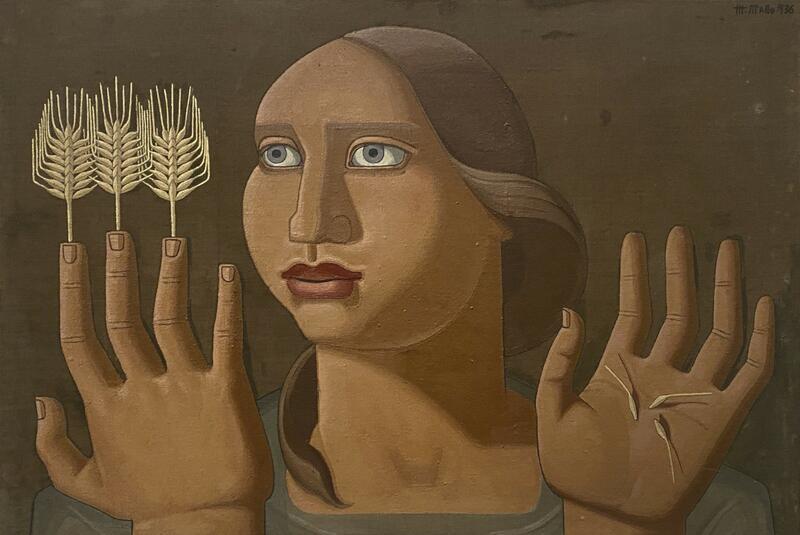
The Museo Reina Sofía is hosting until mid-next month the exhibition Máscara y compás, an extensive retrospective devoted to Maruja Mallo (Vivero, Spain, 1902–Madrid, Spain, 1995), which spans all stages of the surrealist artist’s career and highlights her role as a leading figure of the Generation of ’27. Organized by the museum itself together with the Botín Foundation of Santander, the exhibition arrives in Madrid in its second iteration, after being shown between April and September at the Santander institution.
Beyond offering a detailed survey of her artistic production that positions her as one of the foremost references of avant-garde art in Spain, the exhibition places particular emphasis on the period of the artist’s exile, a time marked by intense ties to Latin America. This vital phase represented a turning point in her work, during which she absorbed newly discovered cultural and symbolic landscapes.
From her time—above all—in Argentina and Uruguay, Mallo developed a keen capacity for curiosity and for assimilating different environments, both socially and anthropologically. This allowed her to advance toward the creation of new artistic languages and to expand her pictorial universe, developments that can be seen in series such as Marina and Terrestre, Las Máscaras, and Naturalezas vivas, which also incorporate elements from the imagery of her travels.
Her Latin American production emphasizes these connections between cosmogonic elements and results in a body of work that fuses the foundations of European avant-garde art with an exploration and acceptance of American reality, making it one of the richest stages of Maruja Mallo’s artistic trajectory.
Maruja Mallo. Máscara y compás can be seen until March 16, 2026, at the Museo Reina Sofía, Santa Isabel, 52, Madrid (Spain).
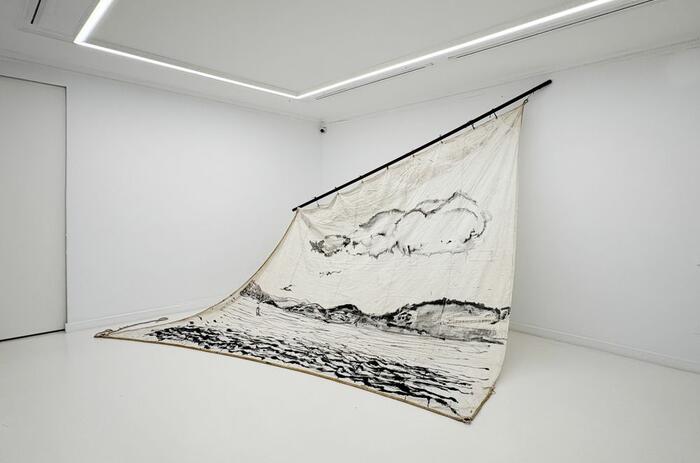
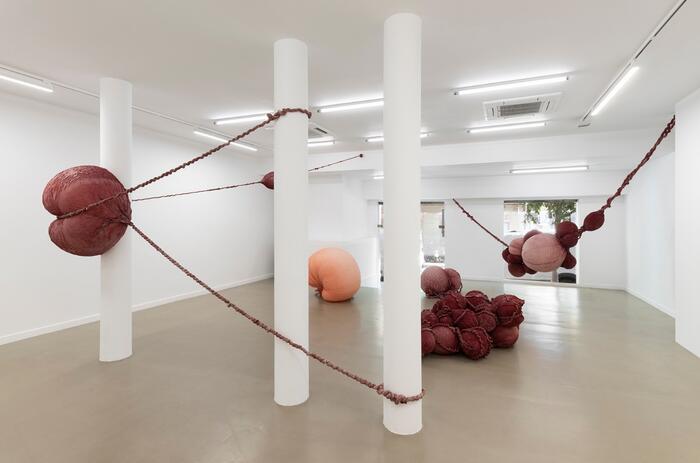
Spanish art galleries are protesting with a temporary closure against a tax policy that places them at a competitive disadvantage compared to their European counterparts. The sector is calling for the application of a reduced VAT rate to ensure commercial competitiveness and to continue strengthening and reinvesting in the cultural ecosystem.
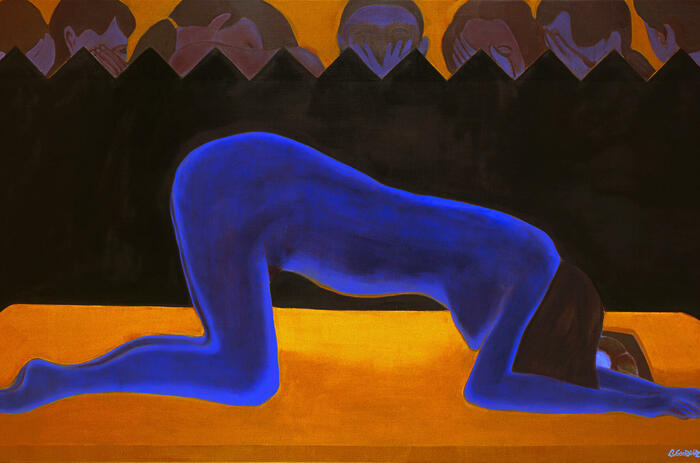
From historical retrospectives to immersive installations and new commissions, museums across the continent will host the work of seminal artists.
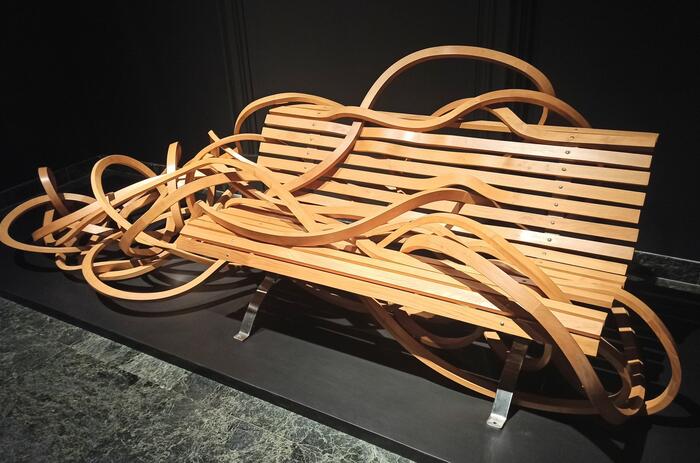
La vida se mueve delves into Pablo Reinoso’s most recognizable artistic practice: the transformation of everyday objects into sculptural works that explore existential fragility in dialogue with space and surrealism.
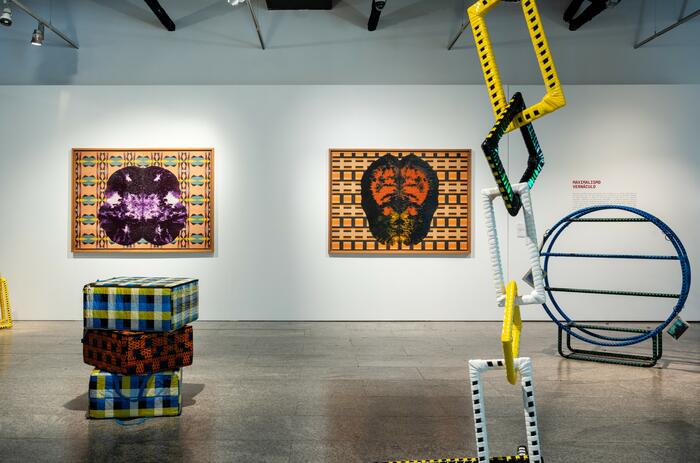
The Complutense Art Center explores the work of Quisqueya Henríquez, a practice rich both technically and conceptually, which employs social critique, creolization, and multidisciplinary semantics as analytical tools for the discourse of the Caribbean.
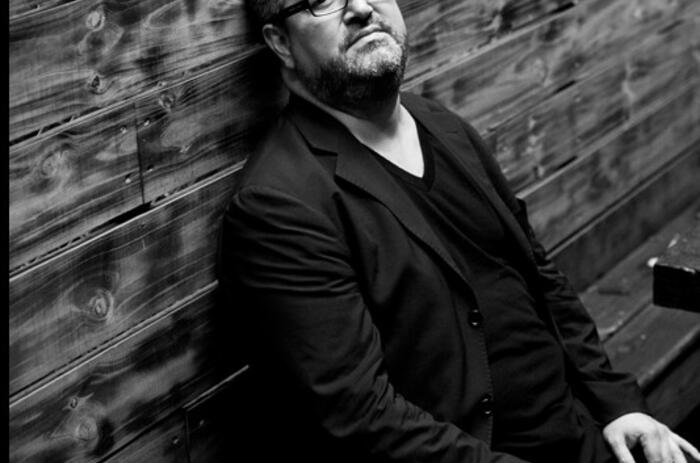
From the curatorship of the Foco LATAM program at CAN Art Fair Madrid, Christian Viveros-Fauné approaches surrealism as a tool for reading global uncertainty, while advocating for painting and Latin American artistic practices as spaces of resistance and the creation of new imaginaries.
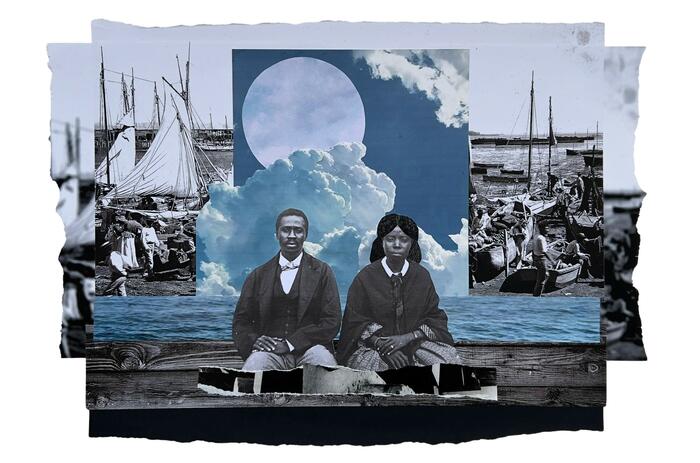
Giana De Dier presents an exhibition in Madrid that proposes a visual reflection on memory. Through archival imagery, appropriation, and the technique of collage, the Panamanian artist reconstructs the affective memory of El Terraplén in response to its recent transformation.