
By
Álvaro De Benito
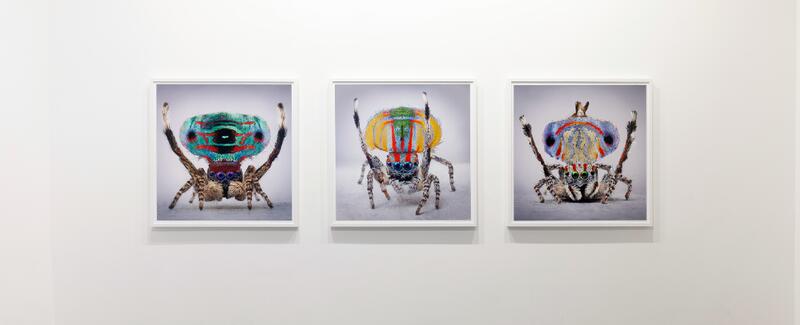
María Fernanda Cardoso explores, through macro photography and video, the performative dimension of the behavior of spiders of the genus Maratus in a body of work that connects science, chromaticism, and aesthetics through naturalistic observation.
María Fernanda Cardoso (Bogotá, Colombia, 1963) arrives at the Madrid venue of La Cometa with Spiders from Paradise and On the Origins of Art I–II, continuing her aesthetic investigations into the behavior and structures of weaving spiders. With an approach that is scientific in spirit yet deeply artistic, the artist captures through macro photography how these small creatures construct their webs, focusing on patterns of symmetry and on their mathematical and geometric complexity.
In this natural and biological act, the Colombian artist reveals an aesthetic dimension, even within the intrinsic beauty of the living being itself. More than a decade ago, Cardoso became interested in the Maratus, a genus of tiny Australian jumping spiders whose mating ritual encompasses the full complexity of chromaticism, dance, precision, and the repetition of behaviors. In their courtship, the male bets his success on carefully patterned movements, combined with the physics of vibrations and the chemistry of certain signals.
Cardoso records in extreme detail the magnificent chromaticism of the species itself, finding within it an aesthetic expression embedded in its functional nature. These spiders appear to be aware of their appearance and of the potential that gesture and the use of color hold, outwardly granting them that human quality of the performative and the theatrical.
The exhibition features sixteen large-format portraits of Maratus species, produced in collaboration with scientific photographer Geoff Thompson and entomologist Andy Wang, enlarging the detail to an almost unreal scale. This precise, microscopic imagery introduces viewers to the functional qualities of the arachnid’s physical attributes, inviting them to become more aware of the process. The video On the Origins of Art I–II fulfills this role as well, further expanding the spiders’ movements into perceptible vibrations, allowing audiences to experience the artistic complexity hidden within the communication processes of the animal kingdom.
María Fernanda Cardoso. Spiders from Paradise can be seen until April 25 at La Cometa, San Lorenzo 11, Madrid (Spain).

The exhibition dedicated to the German-born photojournalist, featuring a selection from his archive—now safeguarded by the Fundación Televisa—focuses on documenting the transformation and growth of Mexico City in the mid-20th century, highlighting its social and urban contrasts.
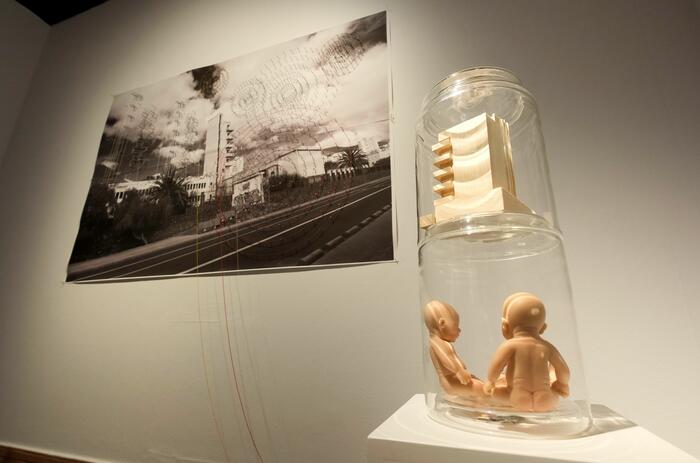
The CAAM opens its new season with an exhibition showcasing five recent acquisitions, highlighting works by Carlos Garaicoa and Karlo Andrei Ibarra that explore memory, space, and transformation.
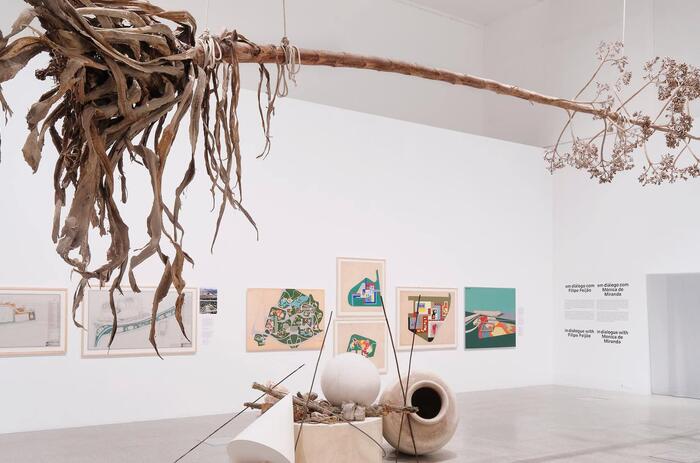
Lugar de estar: o legado Burle Marx (A Place to Be: The Legacy of Burle Marx) is the exhibition presented by Lisbon’s MAC/CCB – Museum of Contemporary Art and Architecture Center, showcasing an extensive selection of landscape projects for public spaces developed by Roberto Burle Marx (São Paulo, Brazil, 1909 – Rio de Janeiro, Brazil, 1994) and his collaborators over nearly seventy years.
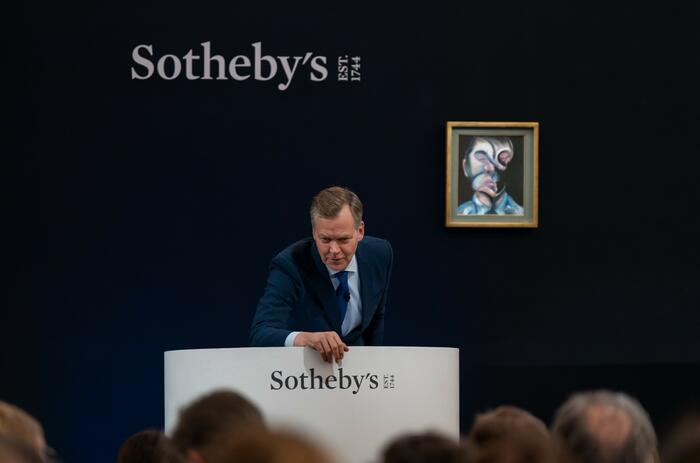
The art maket stabilizes, but the recovery remains uneven.
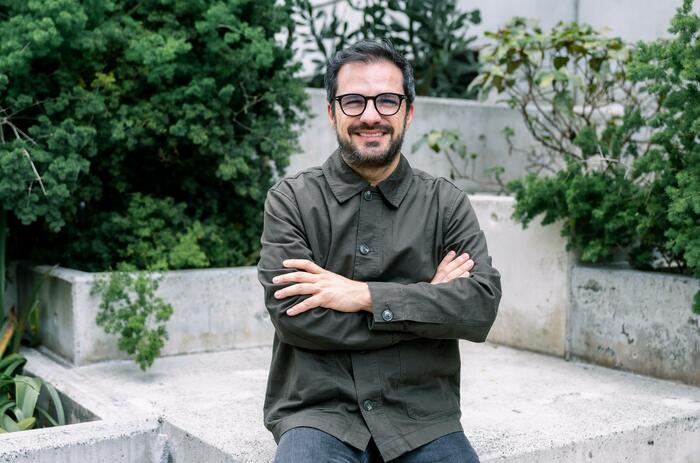
With a background shaped by humanities and a trajectory in cultural practice, Rafael Tamayo promotes a model of the museum that is conceived in relation to its social context. Director of the Museum of Modern Art of Medellín, he will take part in the FORO of Pinta Panamá, where he will engage in discussions on how institutions construct narratives, community, and debate in the region.
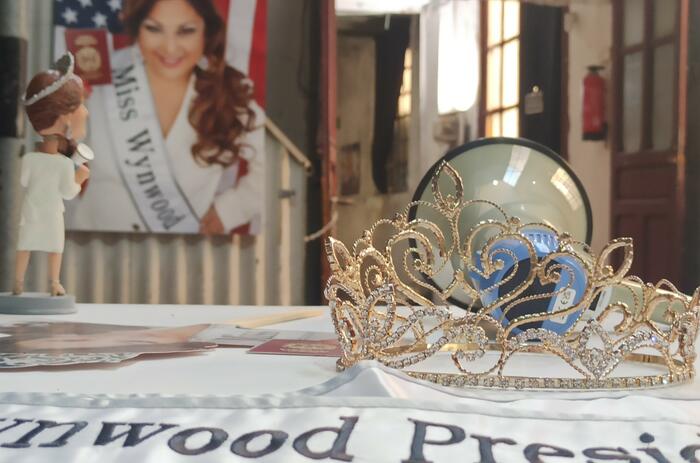
La Neomudéjar presents over 130 works from the Fuentes Angarita Collection, mapping three decades of Latin American political art through themes of identity, gender, diaspora, and the memory of the body.