
By
Álvaro De Benito
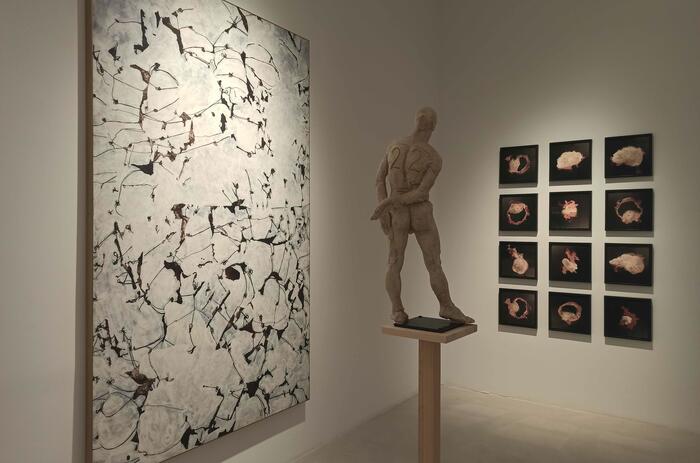
Alberto Greco is the subject of a major retrospective in Madrid tracing his evolution from Informalist painting to the founding of living art, the central axis of his practice. The exhibition highlights his conceptual actions, through which he championed a radical fusion of art and life.
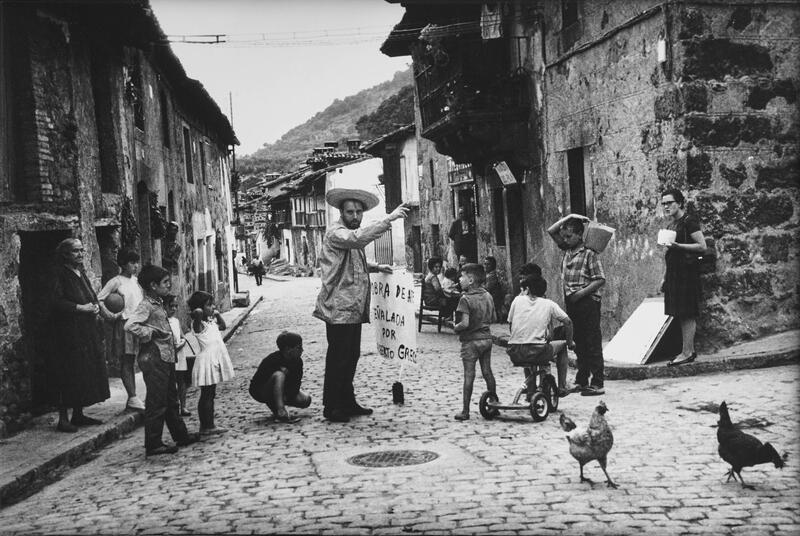
The Reina Sofía Museum in Madrid is hosting a wide-ranging retrospective of the work of Alberto Greco (Buenos Aires, Argentina, 1931 – Barcelona, Spain, 1965). Viva el arte vivo revisits a decisive figure of the experimental avant-garde whose trajectory began with more traditional elements of painting and theater, only to swiftly abandon them in order to fully embrace the construction of his own persona and identity, and to establish living art as his defining hallmark.
In this voluntary departure from what might be understood as a conventional aesthetic program, Greco turned his life into a space of ideas, drawing on the media and propaganda to reinforce his actions. The exhibition brings together works produced between 1949 and 1965, the year of his untimely death. From his early Informalist paintings exploring materiality to photographic documentation of actions, drawings, collages, and part of his literary output, the show delves into the singular and radical nature of his practice.
Underlying this survey of his intense production is the critical role of his lived experience, shaped by an itinerary that took him from Buenos Aires to other parts of the Americas and Europe. In 1962, in Paris, Greco proclaimed the foundation of living art, a conceptual proposal that transformed his person, actions, time, and surroundings into potential artistic materials. Under this premise, he signed people and places, declared various cities and towns—such as Buenos Aires and Piedralaves—works of art, and called for direct engagement with the elements of reality.
In 1963 he settled in Madrid, where he expanded his practice by incorporating living art into other media such as drawings and collages that drew on popular culture. Experimental languages such as those associated with Fluxus, as well as socially engaged movements like the New Realisms, coexist in his work as influence or outcome. His understanding of the media and propaganda strategies, along with his use of diverse techniques to exalt and connect with the virtues of everyday life, enabled Greco to defend a radical gesture: the complete merging of art and life.
Alberto Greco. Viva el arte vivo can be seen through June 8 at the Museo Reina Sofía, Santa Isabel 52, Madrid (Spain).
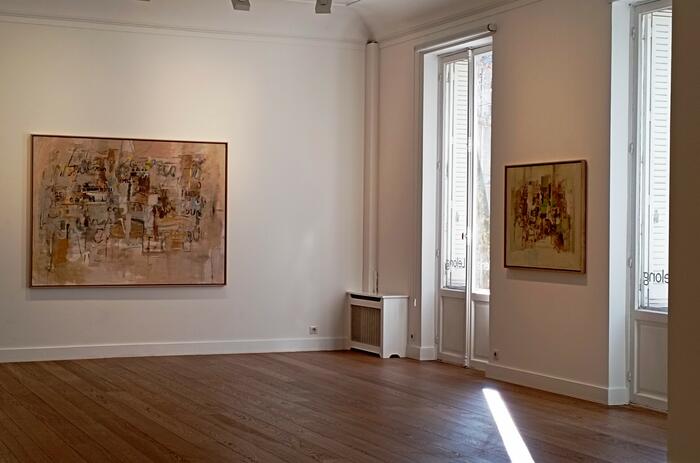
Today, those who walk through the galleries of the Museum of Modern Art or the Metropolitan Museum of Art in New York encounter a welcome surprise: canvases of undeniable visual strength hanging alongside figures such as Rothko or Tàpies. These are works by Sarah Grilo, recently acquired by these institutions. Nearly two decades after her passing, the artist has finally assumed the place of honor her career deserved.
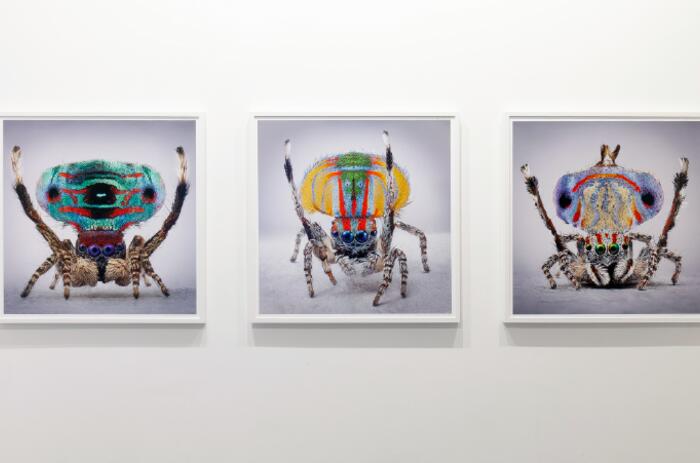
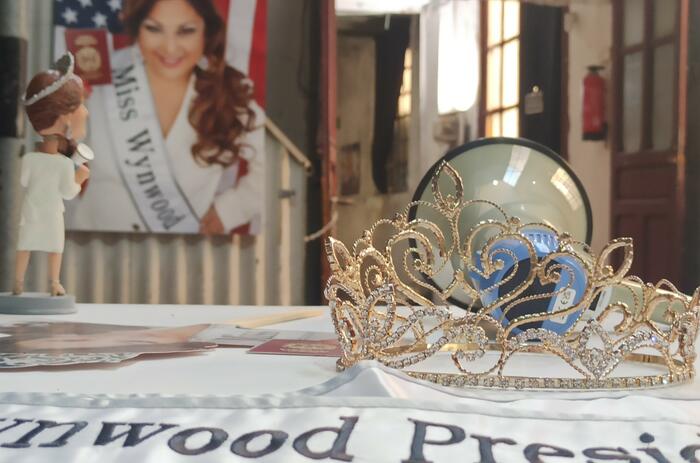
La Neomudéjar presents over 130 works from the Fuentes Angarita Collection, mapping three decades of Latin American political art through themes of identity, gender, diaspora, and the memory of the body.
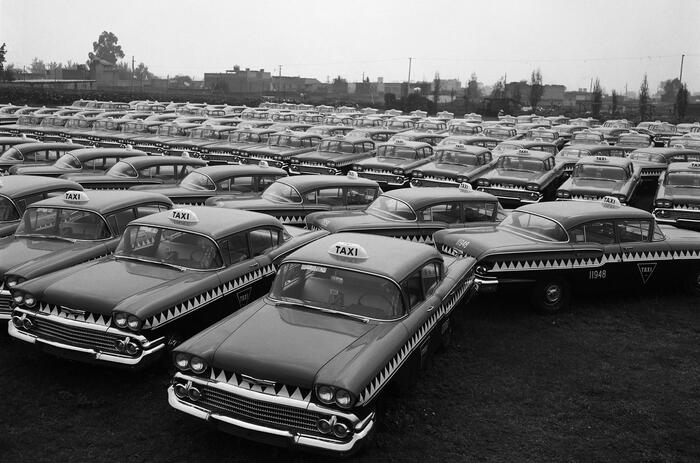
The exhibition dedicated to the German-born photojournalist, featuring a selection from his archive—now safeguarded by the Fundación Televisa—focuses on documenting the transformation and growth of Mexico City in the mid-20th century, highlighting its social and urban contrasts.
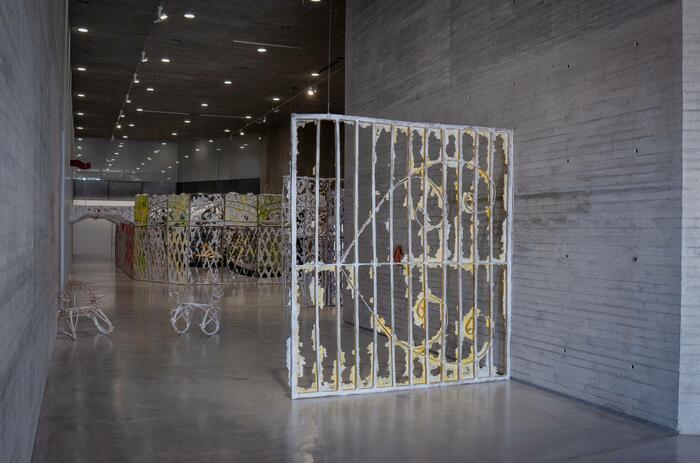
The exhibition by the Ecuadorian artist, featuring works created specifically for the Córdoba space, proposes a journey in which the viewer is invited to explore concepts such as migration, memory, and colonialism by moving through a space that brings together history and displacement.
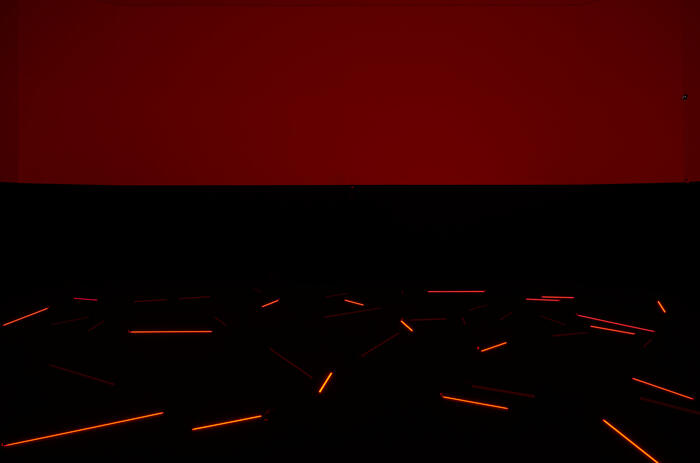
beginning, middle, beginning presents an installation by Brazilian artist Cinthia Marcelle, conceived specifically for the Central Gallery of the Serralves Museum. The work questions the linear conception of time and its relationship to colonial structures.
The Kunsthaus Wiesbaden presents an exhibition surveying the work of the Argentine artist, where photography, archive, and activism intertwine to reflect on the traces of violence and human rights.