
By
Álvaro De Benito
The new center opens its doors with exhibitions devoted to the Gelman Collection and Mexican art, another exploring Leonora Carrington’s connection with Santander, and a third featuring a selection of masterpieces from the Banco Santander Collection.
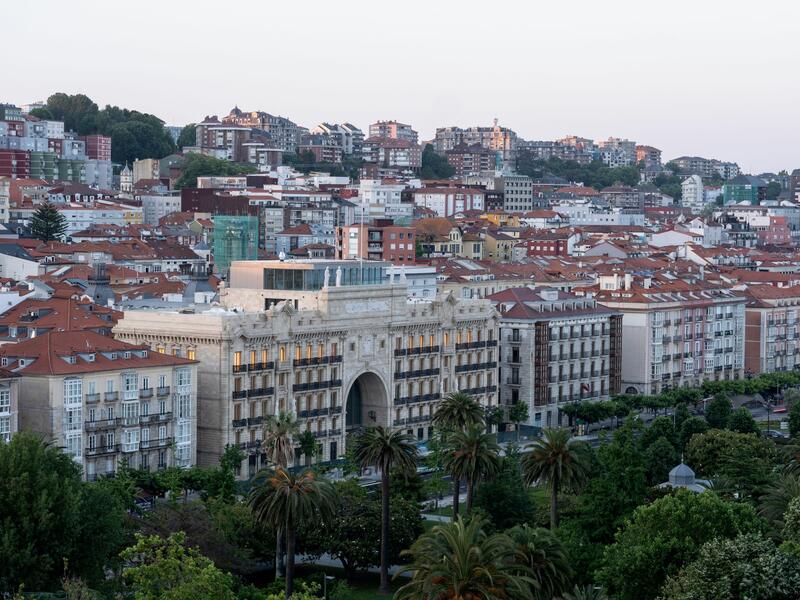
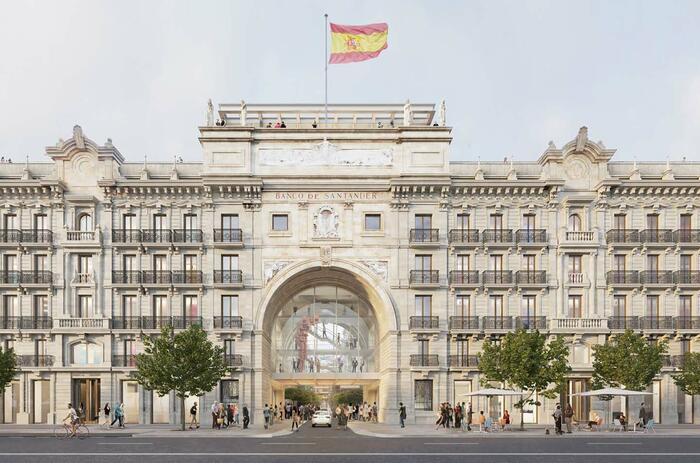
The Fundación Banco Santander has promoted a new art center located in the capital of Cantabria, which is due to open next week. Faro Santander will open its doors on 8 September in Santander’s historic Edificio Pereda, presenting an inaugural program with a strong Latin American presence, notably including a monographic exhibition devoted to Leonora Carrington and a second exhibition examining Mexican modernity through works from the Gelman Collection. A survey of the institution’s own collection completes the line-up of the center's first three exhibitions.
The Gelman Collection and Mexican Modernity
Mexico Modern in the Gelman Collection Santander, curated by Marisol Argüelles, Director of the Museo de Arte Moderno de México, will bring together nearly one hundred works by key figures of twentieth-century Mexican art belonging to the Gelman Collection. The exhibition will focus particularly on the prominent figure of Frida Kahlo, while also featuring substantial representation of artists such as Diego Rivera, María Izquierdo, Rufino Tamayo, Orozco, Siqueiros, Gunther Gerzso, and Francisco Toledo, alongside an important photographic collection.
The collection, assembled over more than half a century by Jacques and Natasha Gelman, constitutes one of the most significant holdings of twentieth-century Mexican art. Nevertheless, its transfer outside Mexico has been the subject of controversy, since, in addition to its immeasurable artistic value, its use as collateral in financial agreements with the institution has prompted debate concerning the art industry and its subsequent value as capital, as well as the difficulty of managing private collections of public significance in a balanced manner. The exhibition will remain on view until 10 January 2027 and will be accompanied by a program of cinema, music, talks, and special visits.
Leonora Carrington and Santander
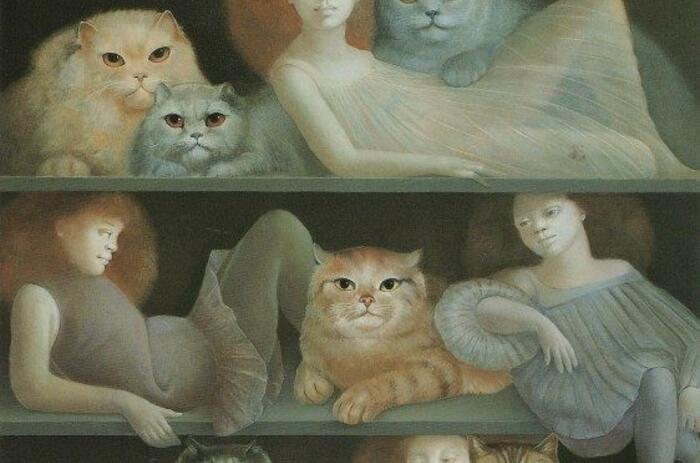
Another major protagonist of the opening will be Leonora Carrington: Symptomatic Surrealism, an exhibition highlighting the artist’s connection with the city of Santander. The exhibition will be the first devoted exclusively to the work Carrington produced during her internment at the sanatorium of Dr Luis Morales in Santander. The exhibition will bring together, for the first time in the city, the two paintings Carrington produced during her stay, Down Below and Villa Pilar, together with drawings from her notebooks that had not previously been brought together.
Leonora Carrington: Symptomatic Surrealism will also mark the first exhibition of Villa Pilar, an oil painting that Carrington gave to her physician and which remained concealed for decades. The work has been recovered through research conducted by the Faro Santander team, and its inclusion will make it possible to revisit a decisive episode in the artist’s career. The exhibition will remain on view until 31 January 2027.
Masterpieces from the Banco Santander Collection
Both inaugural exhibitions will share the program with Masterpieces from the Banco Santander Collection, curated by María Dolores Jiménez-Blanco. The exhibition proposes a survey spanning almost five centuries of art, with a chronological range extending from a work by Lucas Cranach the Elder dating from the mid-sixteenth century to a painting by Juan Uslé from 2018.
The exhibition is structured around four major themes — Sacred Histories; Places and Landscapes; Things: Still Lifes and Nature Morte; and Portraits, Types, Figures — and will constitute the first presentation of the collection, assembled over more than 160 years and comprising works by such significant artists as Titian, El Greco, Rubens, Velázquez, Goya, Tàpies, Soledad Sevilla, and Miquel Barceló, among others.
The citizens' movement challenges the legality of an agreement authorizing the works to remain abroad until at least September 2030, in contradiction with existing legislation on the protection of artistic heritage.
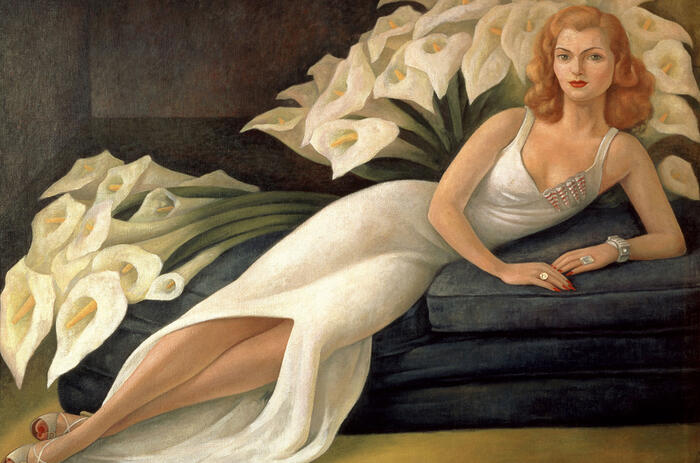
The current controversy highlights the difficult coexistence between the collection’s private ownership and the heritage protection that covers part of its works.

An Interview with La Chola Poblete
Schirn Kunsthalle Frankfurt gathers around 100 paintings, drawings, photographs, costumes and masks this October.
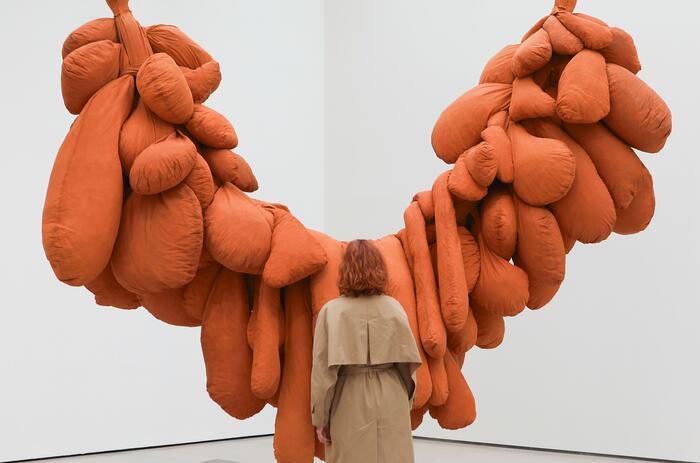
The Brazilian artist’s exhibition at the Centro Botín explores the links between matter, nature, spirituality, and architecture through a multidisciplinary body of work that evokes origin and transformation as the fundamental axes of her production.