
THE DEFENCE OF THE GELMAN COLLECTION COMMENCES LEGAL PROCEEDINGS AGAINST BANCO SANTANDER AND THE GOVERNMENT OF MEXICO
The citizens' movement challenges the legality of an agreement authorizing the works to remain abroad until at least September 2030, in contradiction with existing legislation on the protection of artistic heritage.
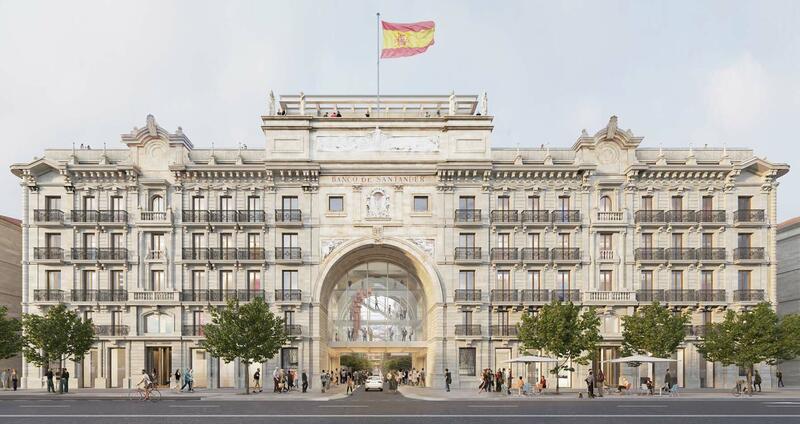
The Defence of the Gelman Collection has announced the commencement of legal proceedings against Banco Santander and the Government of Mexico over the Jacques and Natasha Gelman Collection, one of the most significant assemblies of twentieth-century Mexican art. The movement, made up of historians, lawyers, journalists, artists, collectors, and citizens, contests the legality of an agreement that authorizes the works to remain abroad until at least September 2030, with the possibility of further extensions.
The legal case rests on the Federal Law on Archaeological, Artistic and Historic Monuments, which assigns the National Institute of Fine Arts and Literature (INBAL) a non-delegable duty to protect Mexico's artistic heritage. A Presidential Decree of July 11, 1984, reinforces that obligation by prohibiting the export of Frida Kahlo's works except in exceptional circumstances. According to the Defence, the contested agreement operates in the opposite direction: it facilitates the prolonged export of protected works, relieves Banco Santander of legal obligations, and replaces statutory safeguards with contractual arrangements. The movement also notes that the collection was pledged as collateral for a personal loan, which would imply the exercise of constitutional powers in furtherance of private financial interests.
-
Diego Rivera. Vendedora de alcatraces, 1943
-
Frida Kahlo. Diego en mi pensamiento, 1943. Foto: Banco de México Diego Rivera Frida Kahlo Museums Trust
-
Frida Kahlo, Autorretrato con collar, 1933 © 2026 Banco de México Diego Rivera Frida Kahlo Museums Trust, Mexico, D.F. / VEGAP. Fotografía © Gerardo Suter
-
Diego Rivera. Retrato de Natasha Gelman, 1943 © 2026 Banco de México Diego Rivera Frida Kahlo Museums Trust, Mexico, D.F. / VEGAP. Fotografía © Gerardo Suter
The collection includes ten works by Frida Kahlo — out of approximately 152 known works, of which the Government of Mexico owns only seven — alongside pieces by Diego Rivera, María Izquierdo, David Alfaro Siqueiros, and Rufino Tamayo. Natasha Gelman's will established that the ninety-five works must remain together as an indivisible whole, bear the names of both collectors, and be exhibited in a private museum or cultural center accessible to the Mexican public.
The Defence clarified that the legal proceedings are not directed against the international circulation of Mexican art or scholarly exchange, but against the possibility that public authorities may contract away obligations imposed by law to protect national heritage. President Claudia Sheinbaum has publicly committed to the collection's return to Mexico in 2028, although the current agreement permits its stay abroad beyond that date.
Related Topics
May interest you

THE GELMAN COLLECTION: BETWEEN NATIONAL HERITAGE AND FINANCIAL ASSET
The current controversy highlights the difficult coexistence between the collection’s private ownership and the heritage protection that covers part of its works.
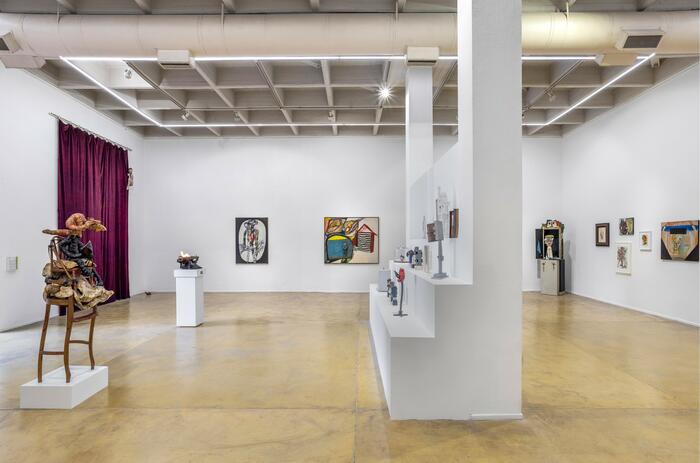
THE THINGS OF A FAMILY HOME: ON THE HELFT COLLECTION AT W—GALERÍA
"Things house spirits, or at least sprites, and for the collector—possession is the most intimate relationship that one can have with objects: not that they come alive in him; it is he who lives in them."
Walter Benjamin: Unpacking My Library: A Talk about Book Collecting (1931)

THE NATIONAL GALLERY OF ART RECEIVES NEARLY 50 WORKS FROM THE BEREZDIVIN COLLECTION
The gift by Diana and Moises Berezdivin brings works by Allora & Calzadilla, Rafael Ferrer, Damián Ortega, Chemi Rosado-Seijo, and Rosângela Rennó, among others, to the Washington museum.
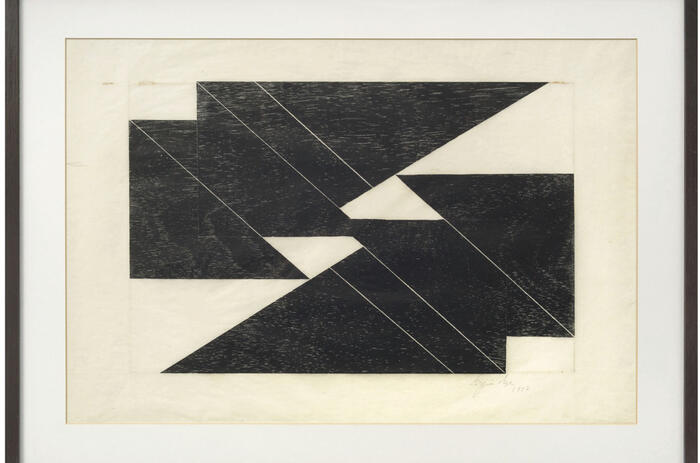
THE JUAN CARLOS MALDONADO COLLECTION ANNOUNCES A NEW CHAPTER: IT IS CLOSING ITS SPACE IN MIAMI
After a decade in the Miami Design District, the institution shifts its focus toward collaborations with museums, universities, and cultural organizations worldwide.
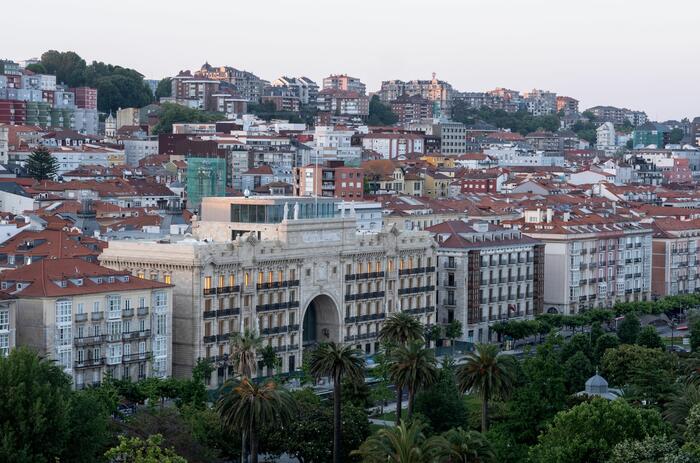
THE GELMAN COLLECTION AND LEONORA CARRINGTON AT THE OPENING OF FARO SANTANDER
The new center opens its doors with exhibitions devoted to the Gelman Collection and Mexican art, another exploring Leonora Carrington’s connection with Santander, and a third featuring a selection of masterpieces from the Banco Santander Collection.
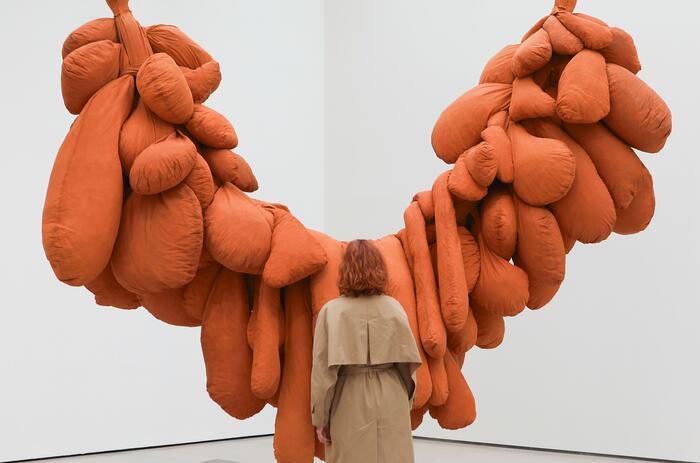
SOLANGE PESSOA IN SANTANDER: MATERIALITY AS THE ORIGIN OF THE SPIRITUAL
The Brazilian artist’s exhibition at the Centro Botín explores the links between matter, nature, spirituality, and architecture through a multidisciplinary body of work that evokes origin and transformation as the fundamental axes of her production.