

By
Álvaro De Benito
The Spanish Pavilion at the Biennale is transformed into an anti-museum led by the Catalan artist, grounded in the accumulation of postcards, memory, and a critique of the archive.
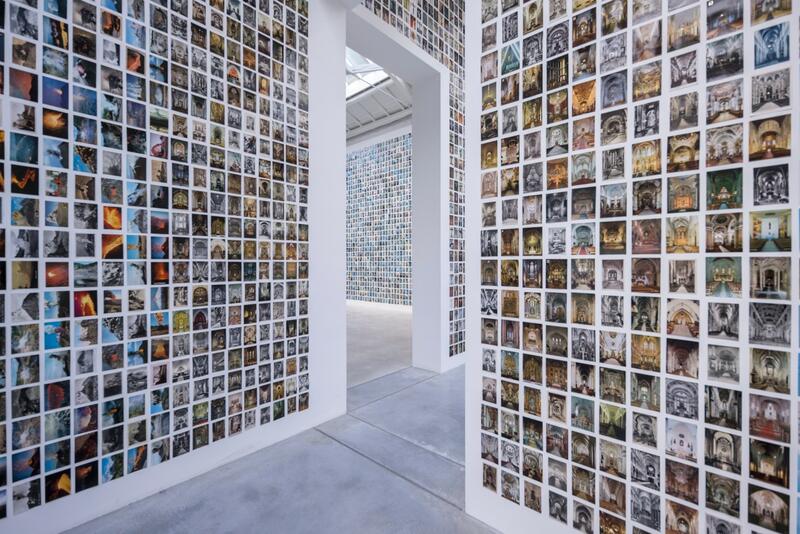
The Spanish Pavilion at the 61st International Art Exhibition – La Biennale di Venezia hosts Los restos, a project by Oriol Vilanova (Manresa, Spain, 1980), curated by Carles Guerra, which is conceived as an approach to the meta-museum and to the relationship with the building’s architecture. The proposal unfolds from these two premises within a pavilion that underwent a comprehensive renovation last year, updating its infrastructural conditions.
Thus, Los restos transforms the interior space into a so-called anti-museum or pseudo-museum grounded in an accumulative archival logic. Over more than twenty years of practice, the Spanish artist has been collecting postcards sourced from flea markets. These images refer to the circulation of global tourism and to obsolete forms of personal communication.
Drawing on his architectural training, Vilanova constructs a wall-based installation that reverses linearity and hierarchy, in which accumulation replaces narrative. His aim is to propose an alternative to conventional archival models, where repetition, fragmentation, and the progressive material erosion operate as structural principles. The postcards emerge as remnants imbued with memory and loss, questioning traditional systems of classification, documentation, and preservation.
Los restos also extends beyond the physical boundaries of the pavilion. In this gesture of disrupting the museum as a closed institution, the project is accompanied by a publication featuring contributions by several authors. It also incorporates a performative action titled El fantasma de la libertad (2026), inspired by Luis Buñuel’s surrealist comedy, which will unfold across the Giardini and the Arsenale through unannounced chance encounters, expanding the work into the realm of the body and space beyond the exhibition site.
Los restos can be seen until 22 November 2026 at the Spanish Pavilion, Giardini della Biennale di Venezia, Venice (Italy).
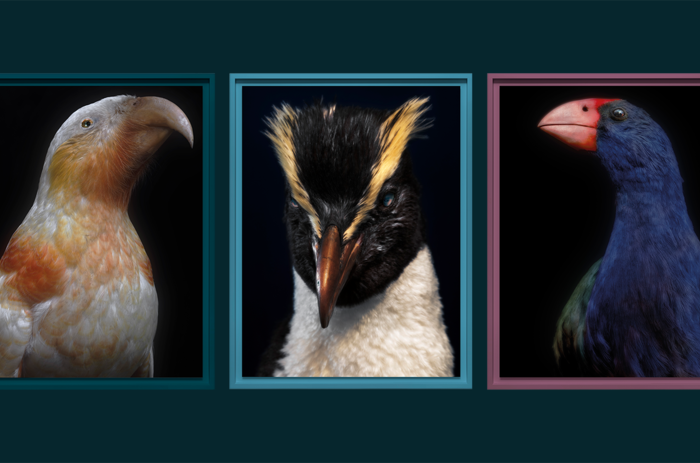
A new series of large-scale photographs of taxidermied birds — some extinct, many endangered — explores the intersection of colonial history, Māori spirituality, and ecological loss.
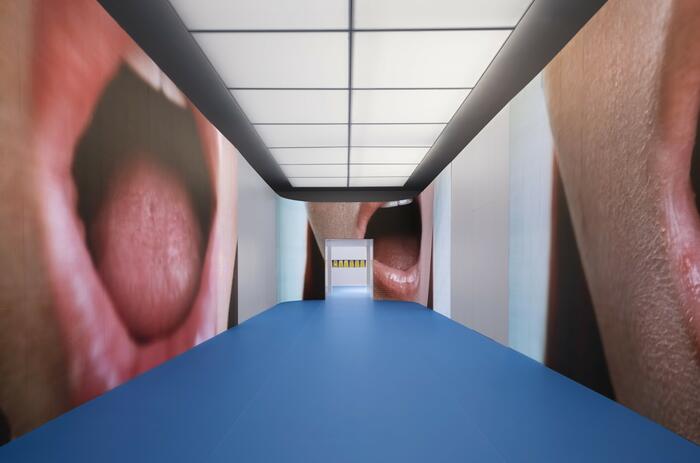
For the 61st edition of the world's oldest contemporary art exhibition, Denmark selected Maja Malou Lyse and curator Chus Martínez to represent the country at the Giardini.
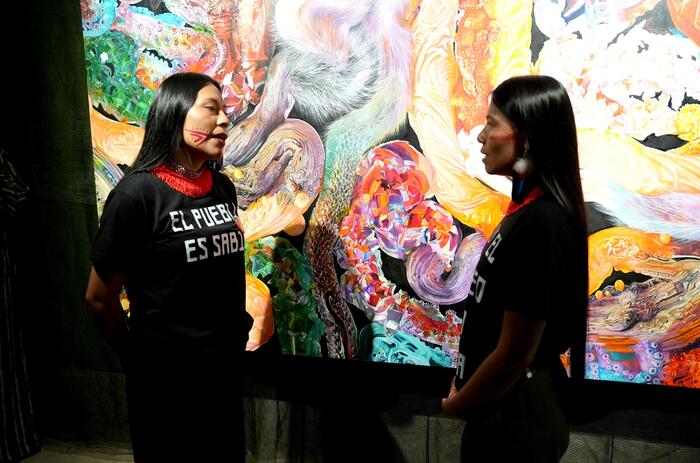
In the run-up to the Venice Biennale, the Ecuador Pavilion project offers solar-powered boat tours and intimate conversations about extractivism, rivers, territories, and ways of life in the Amazon.
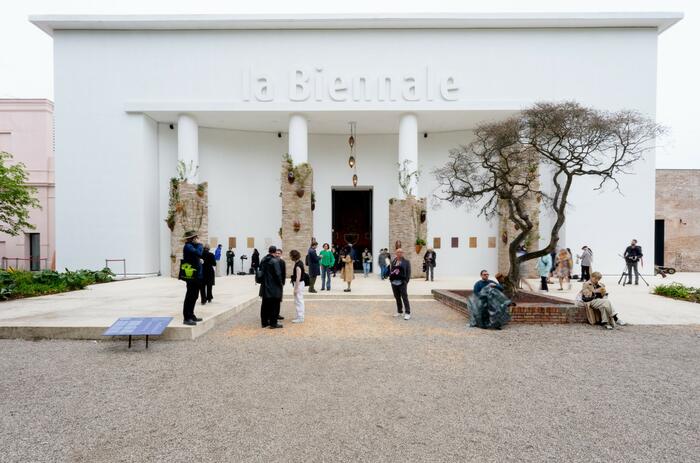
The Venice Art Biennale is approaching the inauguration of its 61st edition amid resignations, protests, and controversies. Never indifferent to its time, its launch also converges within an intense context of wars, genocides, and geopolitical crises. From Arte al Día, we ask ourselves: how can we trace the relationships between politics and art?
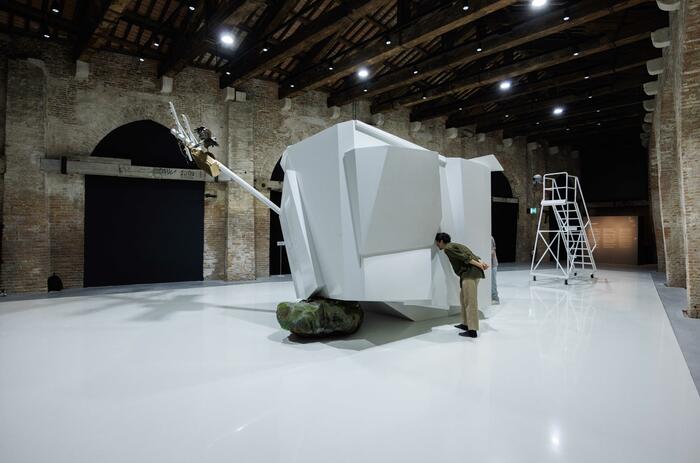
The proposal selected for the Chilean pavilion brings an immersive experience in Venice that addresses contemporary tensions.
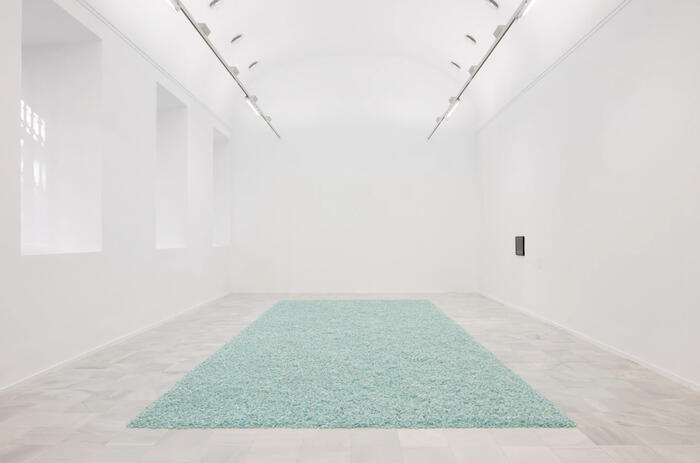
The Museo Reina Sofía presents a selection of more than fifty participatory, reconfigurable and conceptually driven works by Felix Gonzalez-Torres, activating a contemporary reading of his practice that exceeds both curatorial boundaries and established discursive frameworks.
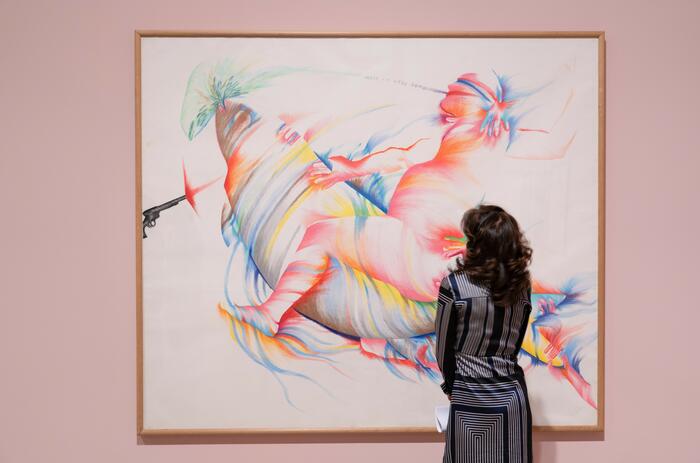
The Santander-based institution proposes a curatorial reading of Marisol through a major retrospective of her drawing practice, understood as a fundamental axis of her work and as a means of articulating the knowledge acquired through her vital displacements.