

By
María Sancho-Arroyo
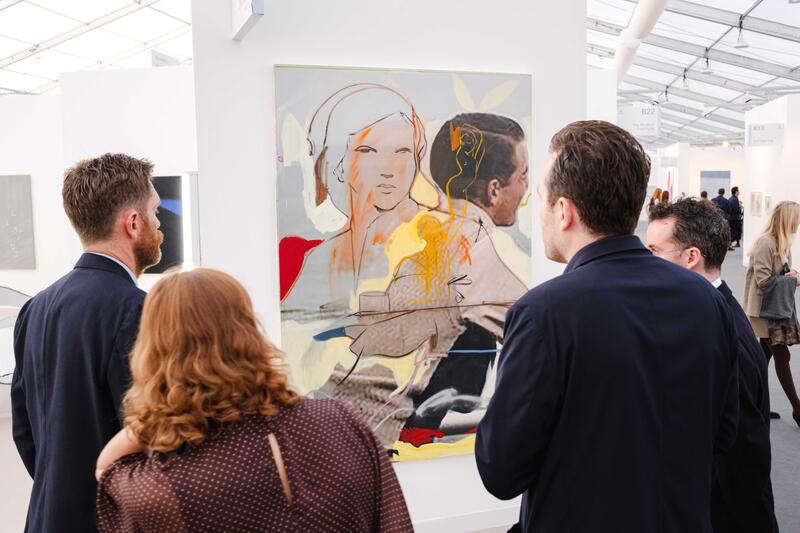
For years, the proximity of Frieze London and Art Basel Paris has prompted the same question: which city comes out on top? Having visited both fairs this autumn, I think the question deserves a different approach. Rather than competing for the same ground, London and Paris seem to be developing distinct identities, with different offerings, audiences and commercial dynamics.
These two weeks offer an opportunity to take the pulse of the international art market at a time when galleries need to generate sales and collectors, while continuing to buy, are becoming more selective and considered in their decisions. For art fairs, the challenge is to attract a qualified audience that includes not only buyers but also advisors, curators and museum representatives, offering galleries both commercial opportunities and the chance to establish new relationships.
Frieze London: Two Fairs, Two Ways of Looking at Art
Frieze London and Frieze Masters, both located in Regent’s Park, offer complementary experiences. The former brings together established artists, younger names and less established practices. The presence of major galleries does not preclude presentations that represent a commercial bet on artists whose market careers are still developing.
This year, Pace presented a solo booth dedicated to Brazilian artist Marina Perez Simão and sold every work on view. Gagosian also presented a booth devoted exclusively to German artist Albert Oehlen. For a gallery, dedicating an entire booth to a single artist is a significant commercial decision. Both galleries made this choice in London, while a week later in Paris they presented works by several artists, many with more established careers and higher market valuations.
Across the park, Frieze Masters offers a different perspective. Its range spans periods and categories, from ancient works to pieces from the twentieth century. There were significant sales here, too: Hauser & Wirth sold a still life by Jan Brueghel the Elder for around £5 million. The sale shows that high-quality historical works continue to command attention during a week dominated by contemporary art.
Both Friezes attracted an international audience, including some American collectors, many of whom likely continued on to Paris, where the presence of North American buyers was considerably more pronounced.
London also hosted other fairs, including the first edition of Paraíso, dedicated to Latin American art. Although I did not visit, the reviews I have read were positive. The selection focused mainly on emerging artists and relatively affordable works, offering a different and complementary perspective to Frieze.
Art Basel Paris: The Grand Palais and the Appeal of Major Works
A week later, Art Basel Paris offers a different setting. While Frieze London takes place in a large marquee erected for the occasion in Regent’s Park, Art Basel occupies the Grand Palais, whose monumental architecture and elegance contribute significantly to the visitor experience. The galleries present a selection dominated by established artists, post-war art and modern works, alongside contemporary practices and sections devoted to less established artists.The prices of some of the fair’s most notable works reflected this focus. They included a nude by Amedeo Modigliani, presented by Pace Di Donna Schrader and valued at more than $100 million. In the contemporary market, Hauser & Wirth sold Gerhard Richter’s Rococo Table for $10.5 million during the VIP opening.
Both London and Paris offer a busy program of exhibitions, gallery openings and auctions, although Paris’s cultural offering during that week is perhaps broader. In both cities, galleries also respond to major museum exhibitions by presenting works by artists featured in them, creating a dialogue between museum programming and the art market.
One distinctive initiative was Chez Sotheby’s, organised by the auction house’s Private Sales department in an apartment on rue de Rivoli overlooking the Tuileries Gardens. Rather than a conventional exhibition space, the presentation recreated a home, with artworks displayed throughout the rooms and one room even styled as a Parisian bistro. Two other galleries adopted a similar format that week. It will be interesting to see whether this approach, which offers an alternative to the traditional booth and a more intimate setting for presenting and selling works, spreads to other cities and returns in future editions.
Auctions Matter, Too
One of the most notable features of this year’s edition was the coincidence of major Paris auctions with Art Basel Paris. Christie’s held the Durand-Ruel collection sale, while Sotheby’s offered the Schlumberger collection. The standout result was Claude Monet’s Iris, sold by Sotheby’s on 22 October for €50 million, including fees. The painting, which had not been publicly exhibited since it was created, became the most expensive artwork ever sold at auction in France. The Durand-Ruel collection also achieved significant results at Christie’s, where a painting by Monet sold for €12.785 million.
When Art Basel arrived in Paris in 2022, it took over the place traditionally occupied by FIAC (Foire Internationale d’Art Contemporain), France’s leading contemporary art fair, which had been held at the Grand Palais. Although FIAC attracted collectors and galleries from abroad, it did not have the same global reach as Art Basel. That first year, Christie’s moved its Thinking Italian sale from London to Paris to coincide with the fair, while Sotheby’s also held important auctions in the city that week. Both houses have continued to schedule significant sales during the fair in subsequent editions. This reflects the growing importance of Art Basel week in Paris, as the concentration of international galleries and collectors creates an opportunity for auction houses to hold major sales alongside the fair.
Two Cities, One International Market
Comparisons between London and Paris are inevitable, but their differences are more interesting than the search for a winner. London retains a particularly dynamic combination of contemporary art, new propositions and historical masters. Paris offers a privileged setting for major works, established artists and high-value transactions, without sacrificing the diversity of its program.
Both cities share the goal of attracting international buyers, particularly Americans, whose presence can be decisive for galleries and auction houses. Some focus on one city, while others take advantage of the proximity of the dates to attend both.
The decision to close Art Basel Paris earlier than planned, foregoing the weekend, was understandable on safety grounds, although its commercial consequences may have varied from gallery to gallery. According to Artnet News, more than 300 works were sold during the first two days, for a total of approximately $147 million. It is reasonable to assume that galleries that concentrated their sales during the VIP days may have been less affected, while others, particularly smaller galleries, could have benefited from the weekend to complete transactions and establish contacts.
There are also financial consequences to consider. It remains to be clarified whether Art Basel will offer galleries any compensation for the two lost days and how any additional costs arising from the accelerated dismantling and transport arrangements will be allocated. Art Basel told ARTnews that it was too early to comment on the financial or contractual implications and that it remained in contact with galleries, promising to provide further information later.
This episode does not alter the role London and Paris play in the international art market. Rather than deciding which city comes out on top, what matters is how each maintains its own identity and attracts collectors and professionals with different interests. Together, they are complementary events that offer a valuable snapshot of the international market.
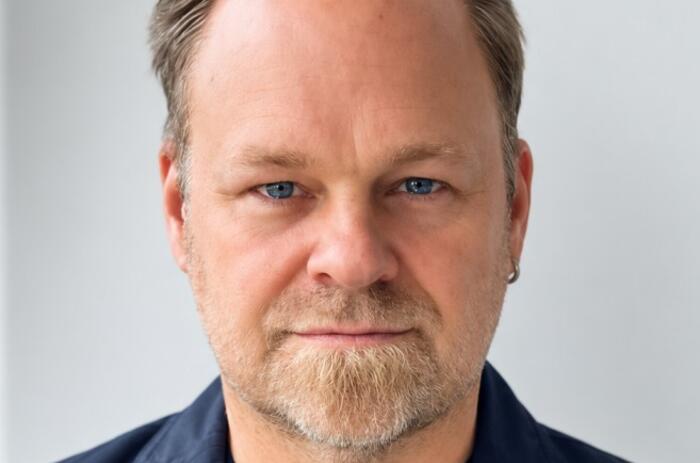
We speak with Tobias Ostrander, the Estrellita B. Brodsky Adjunct Curator of Latin American Art at Tate Modern, at a moment of growing international recognition for Latin American art, as the institution presents three major exhibitions. The conversation explores the region’s growing visibility, the reassessment of the art-historical canon, and the importance of building a global art history grounded in diverse perspectives and local contexts.

The Mexican cultural practitioner and president of CIMAM discusses the principal challenges facing museums—from diversity and funding to ethics and independence—ahead of the Annual Conference of an organization seeking to broaden the voices participating within it.
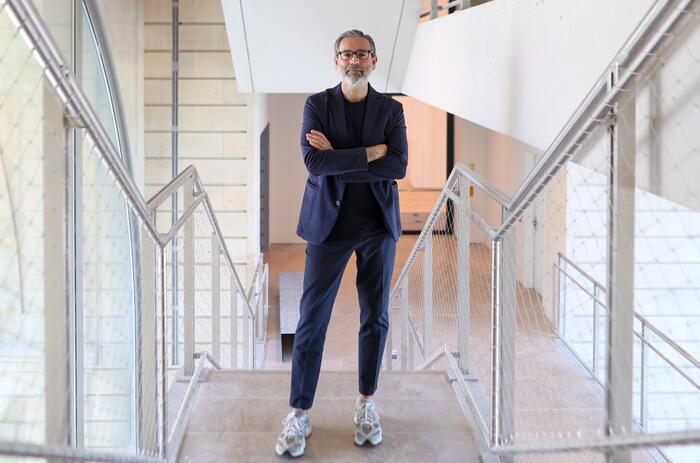
We spoke with Daniel Vega, director of Faro Santander, to address the cultural strategy of the center, its commitment to territorial engagement, and the controversy surrounding the Gelman Collection, which anchors one of its inaugural exhibitions.
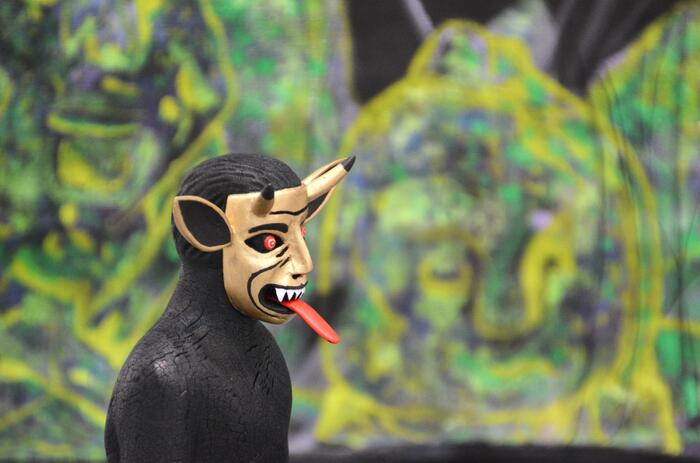
The British event highlights the growing presence of Latin American contemporary art, although its visibility remains conditioned by the commercial dynamics of a global fair and by local cultural policies that pragmatically contribute to shaping a contemporary art landscape closer to its audience.
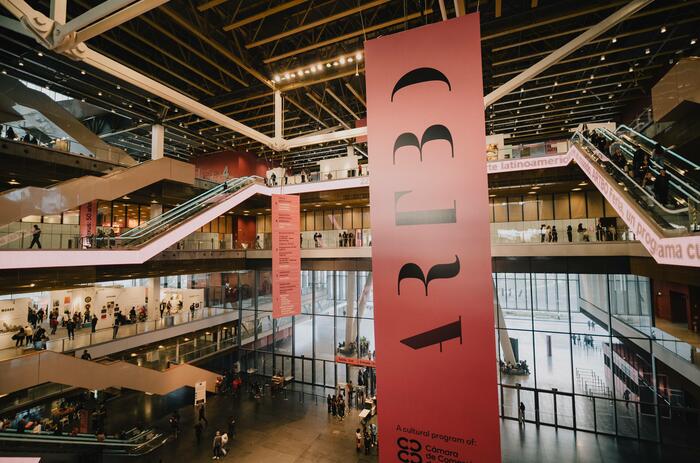
Some art fairs are defined primarily by their galleries, while others also seek to explain the cultural context in which they take place. ARTBO clearly belongs to the second category. Created in 2004 by the Bogotá Chamber of Commerce, it was conceived with an ambition that goes beyond organizing an art fair: to support the development of the art market, contribute to the city’s cultural ecosystem, and connect the Colombian and Latin American art scene with the international art world.