

Philosopher, author, and cultural manager based in Santa Cruz de la Sierra. He holds a degree in Philosophy from the Universidad Mayor de San Andrés and brings together curatorial research, cultural journalism and institutional management within the field of contemporary artistic practices. He contributes to international art journals on the Bolivian art scene—artists, exhibitions, and biennials—and has developed a line of research focused on how exhibition design shapes aesthetic experience and informs institutional models in museums and cultural centers. He is the author of the books Wireless Thought (Plural, 2012) and Lorgio in the Rings (CCP, 2019), and directs the art and technology podcast Inalámbricos.
“CEDICIÓN” BY ALFREDO COLOMA: AN EPISTEMOLOGICAL INTERVENTION IN PLURINATIONAL BOLIVIA
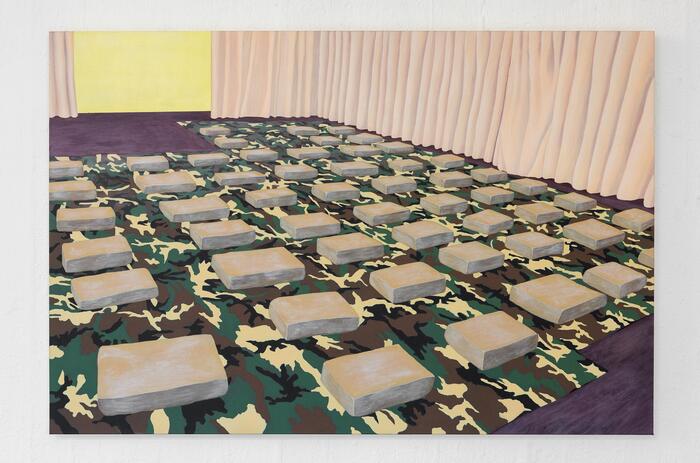
“From a distance (while living in Europe), I saw another Bolivia through the ways it was (self-)represented on social media and in the press, and I consumed images produced in the country that did not fall within the sphere of ‘culture,’ yet in my view revealed a much richer complexity. The Cedición projects emerged from these collections of images, or from texts and representations that were not official, so to speak.” (Coloma, 2025).
“CEDICIÓN” BY ALFREDO COLOMA: AN EPISTEMOLOGICAL INTERVENTION IN PLURINATIONAL BOLIVIA
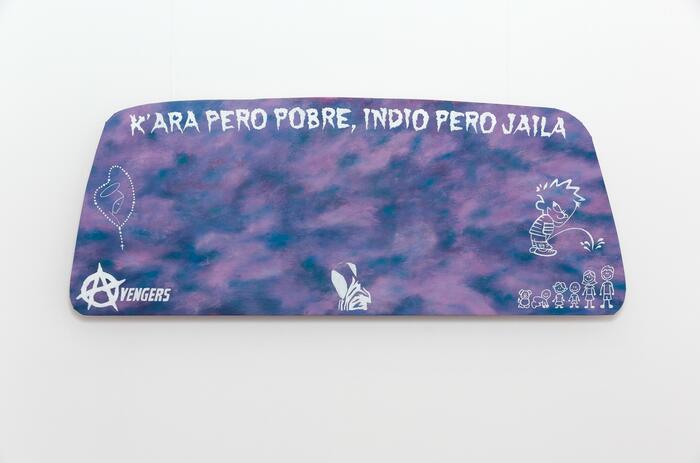
“From a distance (while living in Europe), I saw another Bolivia through the ways it was (self-)represented on social media and in the press, and I consumed images produced in the country that did not fall within the sphere of ‘culture,’ yet in my view revealed a much richer complexity. The Cedición projects emerged from these collections of images, or from texts and representations that were not official, so to speak.” (Coloma, 2025).
DISPLACEMENT AND ATTENTION IN KATE ARAOZ’S INTIMIST PAINTING
Part 2

DISPLACEMENT AND ATTENTION IN KATE ARAOZ’S INTIMIST PAINTING
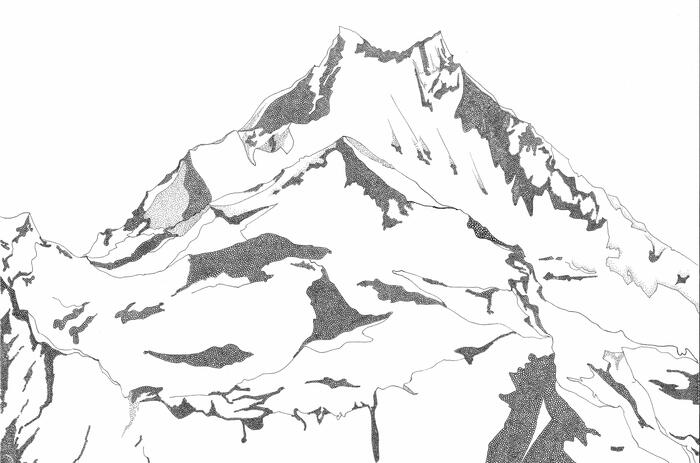
“I think painting is the possibility of creating and materializing in the physical world something that did not exist before.” — Kate Araoz, 20251
LIGIA D'ANDREA: VISUAL POETRY THAT ESCAPES FROM TWO-DIMENSIONALITY (part 2)
LIGIA D'ANDREA: VISUAL POETRY THAT ESCAPES FROM TWO-DIMENSIONALITY (part 1)
THE “BIENNIAL WITHOUT PUBLIC” (2020) IN SANTA CRUZ AND AN OUTLINED PATH (PART 2)
If the São Paulo Biennial in Brazil once had what was called the “Biennial of the Void” (2008), it could be said, bridging the gap, that Santa Cruz de la Sierra involuntarily experienced the “Biennial without public” (2020).
THE “BIENNIAL WITHOUT PUBLIC” (2020) IN SANTA CRUZ AND AN OUTLINED PATH (PART 1)
If the São Paulo Biennial in Brazil once had what was called the “Biennial of the void” (2008), it could be said, bridging the gap, that Santa Cruz de la Sierra involuntarily experienced the “Biennial without an audience” (2020).