
By
Violeta Méndez
Just steps from the door, I heard the echoes of Tramoya. Curiosity guided my body toward the gallery, stealing from me the chance to prepare for the detours and fragmentations the works would provoke—and for the attempts to piece together those fragments within my own body.
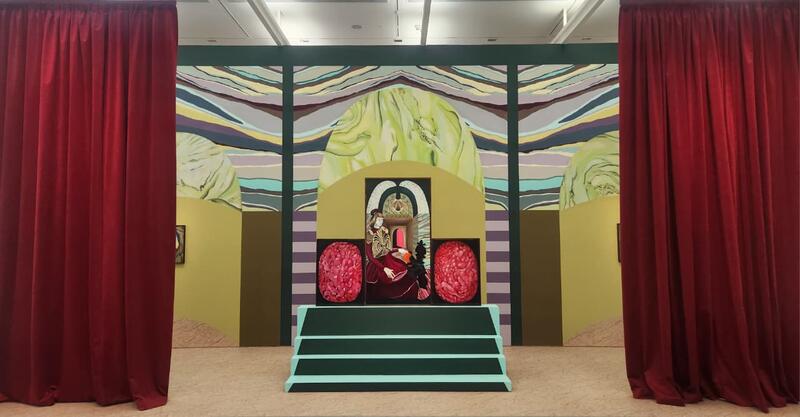
“Art is theater,” proposed the Museo Moderno, and within this idea, Leila Tschopp, Verónica Gómez, Antonio Villa, and Ayelén Coccoz took over the underground gallery space. Along with the curatorship of Raúl Flores, they created Tramoya. The title evokes the theatrical artifice and the hidden mechanisms that shape the stage design—those elements that, when revealed, show us that every scene is a collectively woven illusion.
Thus, twenty dolls scatter and interact among themselves, unaware they are being observed by a restless audience; levitating characters collapse in the center of the room, absorbed in a world that is falling apart; the trace of a dance climbs the walls in a secure and hypnotic way, guided by the rhythm of bodily marks; while behind the curtain, a devoted figure witnesses it all.
Leila Tschopp. Untitled. Series The Weight of the World, 2025
“I find this idea that you can’t capture a total image very exciting,” Leila confessed when presenting her work. And her words crystallized everything that could not be grasped at first glance. While her characters try to pull themselves together—or completely fall—the continuities and disjunctions between frame and wall allow for the creation of new images. Instability dominates everything, even when colors appear solid. The artifice is evident. Her metaphysical work enables the illusion of “a piece that is never quite there.”
Ayelén Coccoz. Tarot, 2022
Two characters appear on stage: Ayelén—in the form of a self-portrait—and the portrait of a tarot reader from Rosario. The artist builds a metaverse—inspired by a possible scene—where dolls, far from being mere objects, acquire autonomy and seem to gain self-awareness. The work, seemingly playful and full of charm, draws the viewer into a disturbing game that transcends simple representation: What spirit inhabits inanimate objects, and what do they absorb from our reality? The dolls evoke the tension between identity and artifice, between the human and the fabricated, between a scene and its double.
Beto Antonio Villa. Bicho cuero, 2025
The loom stretched across the wall has danced. The artist calls it “experimental craft,” and its colors recall the summer sunsets of Patagonia, where Antonio Villa comes from. His work carries the presence of those who have interacted with it—his mother who helps him weave, the dancers, and of course, himself. Bicho cuero is the result of a dialogue between the manual, the domestic, and the performative; the textile expands and ceases to be an object, becoming skin, landscape, and living sculpture.
Verónica Gómez. Miss Anginas, 2024
Verónica Gómez’s surreal triptych altar presents Our Lady of Tonsillitis. Her image bears the same eyes as the virgins: understanding, captivating, sensitive, and slightly sad. The beautiful work alludes to the staging of faith, but this is a more familiar devotee—one to pray to when you have tonsillitis. She is elegantly surrounded by phlegm, spots, and bacteria. On either side, dusk and dawn are represented, witnesses of change, of transition, and of the magic of the moment. The artist proposes a new time, yet one that behaves just like ours.
Tramoya will remain open to the public until February 28, 2026, at Museo Moderno, Av. San Juan 350, Buenos Aires (Argentina).
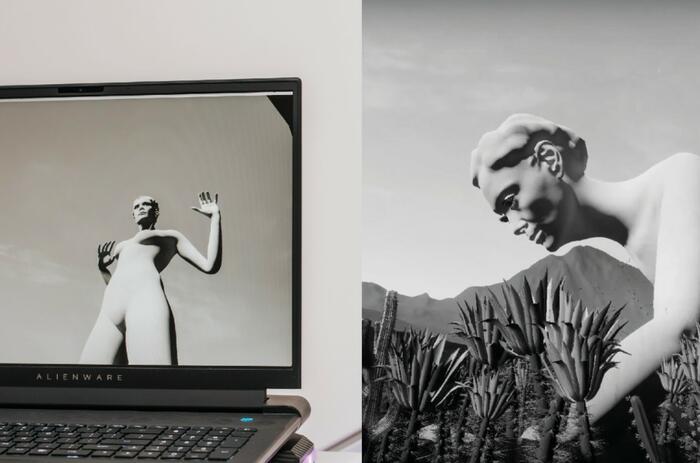
Last few weeks to enjoy a unique experience at the Museum of Contemporary Art in La Boca: an immersive exhibition that combines art, technology, and audience participation.
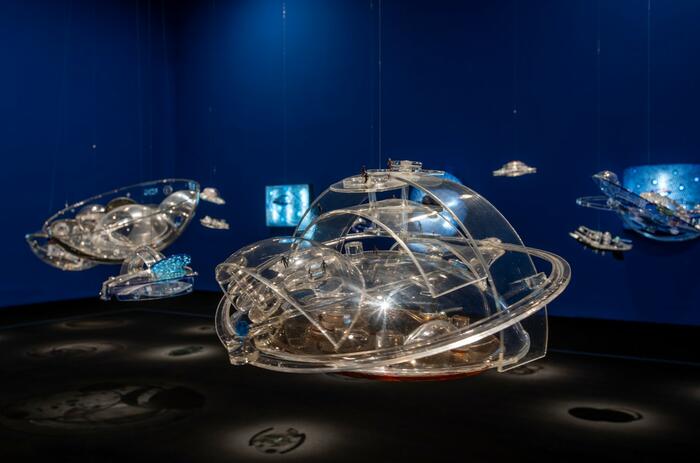
By Adriana Herrera Téllez, PhD
Gyula Kosice: Intergalactic is one of those axial exhibitions that unsettle the boundaries of the usual narratives of art history by incorporating visions that broaden our understanding of the contributions of foundational artists who, like this creator—born in today’s Slovenia in 1924 and later naturalized in Argentina—have not been sufficiently incorporated into the global narrative of concrete art.
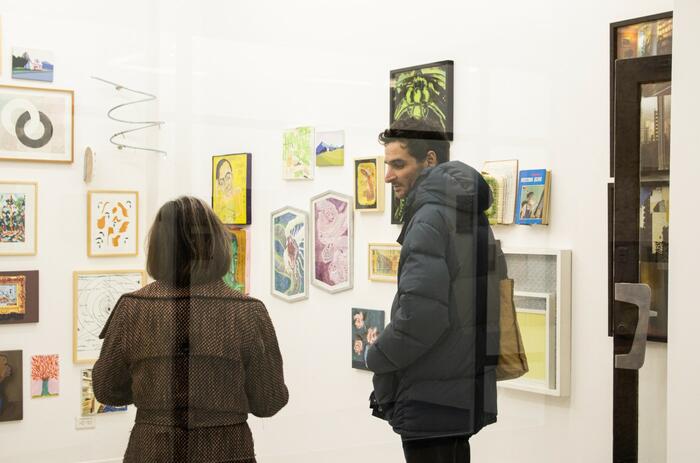
The contemporary art fair organized by gallerists opens to the public in Buenos Aires’ renovated downtown featuring “resident” and “guest” galleries as well as international participants.

If there were no way to create something new—believing everything has already been done—if every form of creative intelligence were exhausted, then it would be time to unearth hidden worlds.
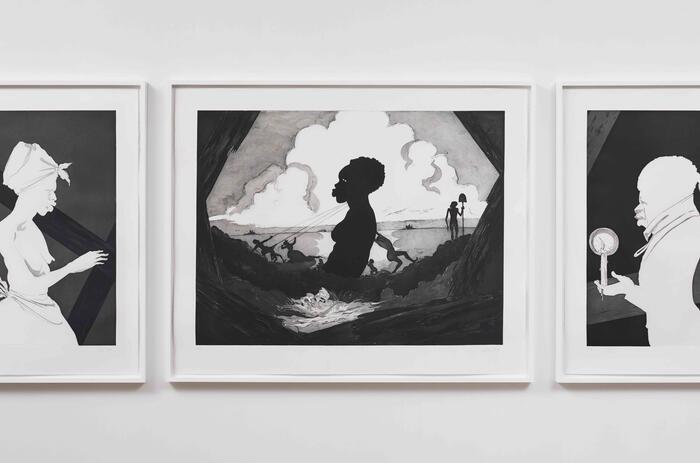
For the first time in Argentina and South America, Fundación Proa presents an exhibition dedicated to the American artist, one of the most influential figures in contemporary international art.
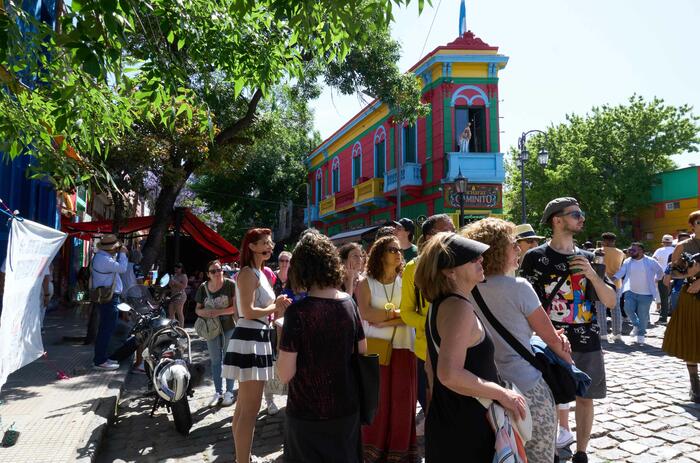
The cultural event turns Buenos Aires into a vibrant art route: galleries, museums, artist studios, and independent spaces open their doors with free activities and special programs.
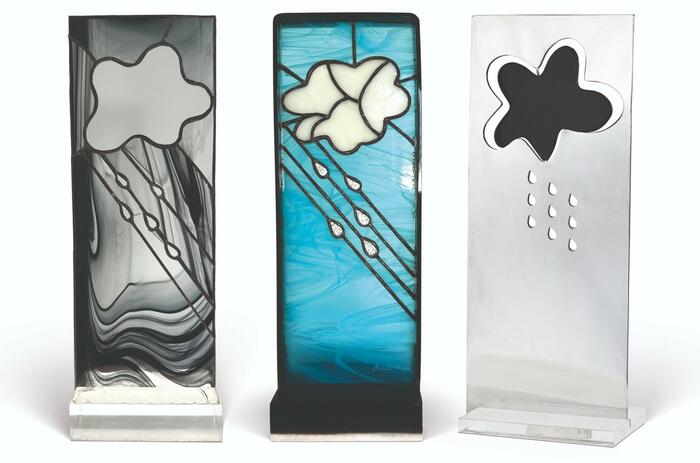
Featuring nearly fifty works, the exhibition explores Brook’s “clouds” series and his interest in integrating sculpture into architecture and public space.
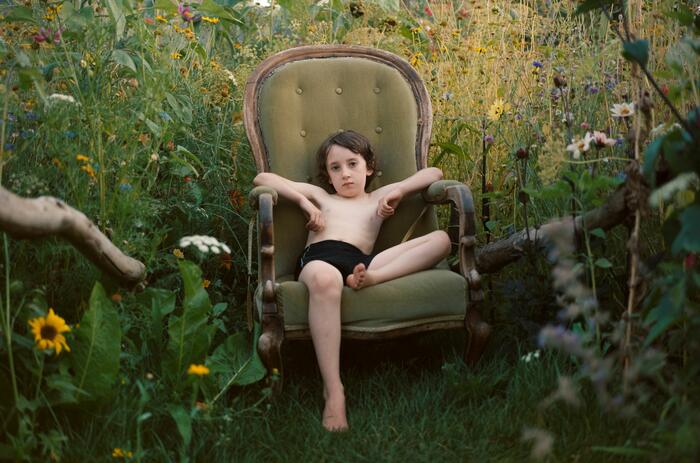
The tenth edition of the Prix Pictet brings together in Buenos Aires twelve international photographers who address the major social and environmental challenges of our time.
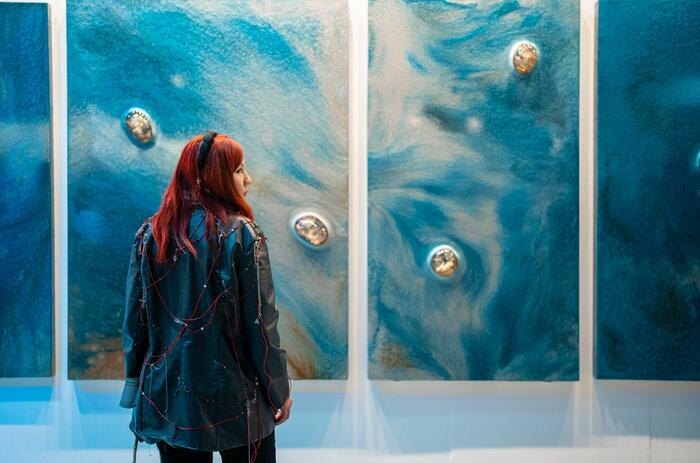
Youth, performance, and permanence: Argentina’s most important art fair has opened at Centro Costa Salguero and will run until August 31.