
By
Álvaro De Benito
The Andalusian Center of Contemporary Art (CAAC) presents Sensemayá. Cánticos para matar a la Culebra (Sensemaya. Chants to kill the snake), the first solo institutional exhibition in Spain by Claribel Calderius (Havana, Cuba, 1986). Conceived specifically for the San Bruno Chapel, the project is a site-specific intervention that draws on the space’s historical and spiritual resonance—qualities that align seamlessly with the symbolic universe of the Cuban artist.

Through this action, Calderius invites viewers into a visual and emotional journey steeped in tradition, memory, and spirituality, all channeled through the emblem of the snake. Inspired by Nicolás Guillén’s poem Sensemayá, the reclamation of the snake as a figure becomes the axis of a mystical space where opposing concepts—material and immaterial, ancestral and contemporary—coexist and converse through a sensorial language.
Calderius reconstructs the hidden history of the chapel and engages with its architecture to articulate a visual narrative. Each work has been conceived specifically for this space, establishing an intimate dialogue with the building itself.
The artist primarily works with jute fibers, a natural material rich in symbolism that reconnects her practice with origins—both personal and cultural. Through the act of weaving, Calderius reactivates memory and healing, elevating both as tools of resistance.
Her patterns reference oral traditions and the transmission of heritage and symbolism. Here, syncretism—central to Calderius’s practice—emerges not just as a theme but as a method. Her work continuously engages in dialogue with Afro-Cuban religious practices and the cultural layers they embed within society. Ritual and community are emphasized as living symbols of identity.
Claribel Calderius. Sensemayá. Cánticos para matar a la culebra is on view at the Centro Andaluz de Arte Contemporáneo, Américo Vespucio 2, Seville (Spain).
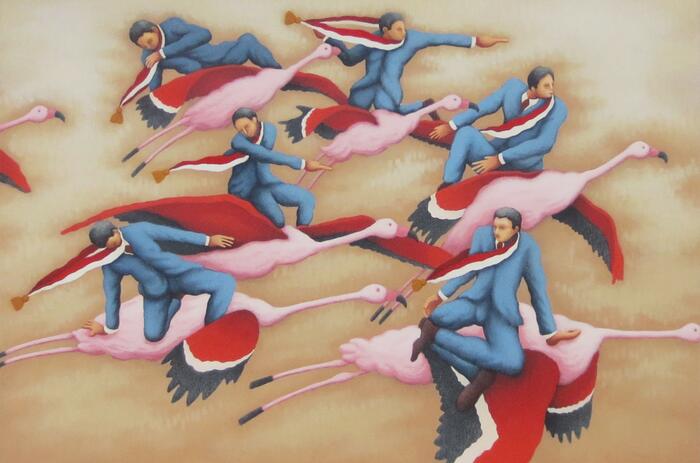
Gonzalo García Callegari presents his twentieth solo exhibition at the Inca Garcilaso Cultural Center in Lima. In the wake of Peru’s bicentennial of independence, he invites us—with his signature dark humor—to question the unfinished ideals of national emancipation.

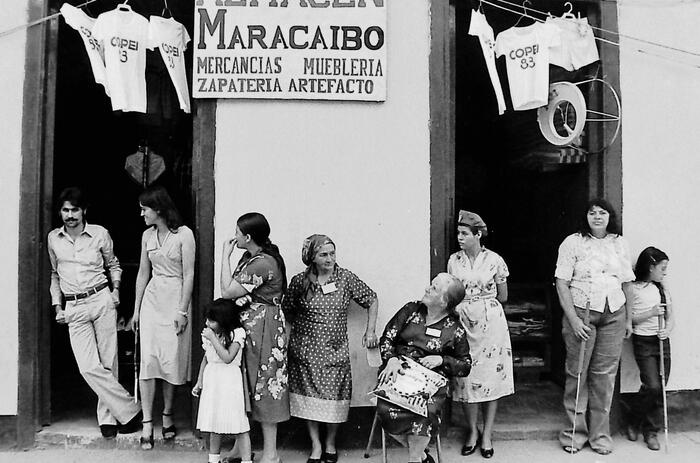
The Fundación Casa de México in Spain presents the exhibition Lourdes Grobet y el Laboratorio de Teatro Campesino e Indígena, a selection of nearly seventy photographs from the project developed by Lourdes Grobet (Mexico City, Mexico, 1940–2022) around the Laboratorio de Teatro Campesino e Indígena (LTCI) (Peasant and Indigenous Theatre Laboratory).

The Elba Benítez Gallery in Madrid is currently hosting an exhibition of photographs from A Sônia, a project by Claudia Andujar (Neuchâtel, Switzerland, 1931), created in 1971. This body of work stands as one of the most significant early explorations into the creative manipulation of the photographic snapshot. For this occasion, the exhibition focuses on a carefully curated selection of images that establish a dialogue of balance, intensity, and chromatic richness with the surrounding space.
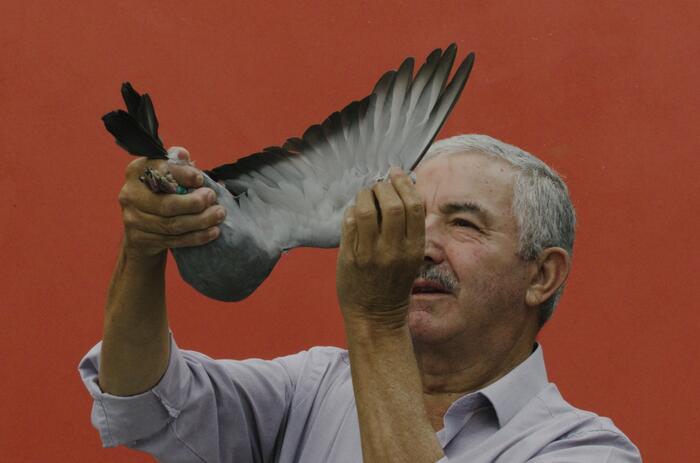
The videographic universe of Jonathas de Andrade (Maceió, Brazil, 1982) is only one part of his broader artistic practice. It is, of course, significant—complementing other worlds that shape the ideology and imaginary embedded in both the work and the persona of the Brazilian artist. For this reason, the selection of exclusively audiovisual works under the title Tiempo, sueño, olor (Time, Dream, Scent), on view at Madrid’s Centro de Cultura Contemporánea Condeduque, offers a concise, representative, and necessary approach that ultimately bears witness to a part for the whole.
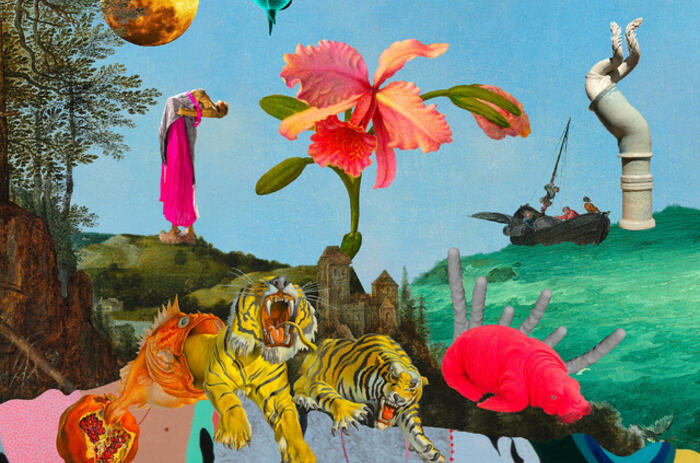
Terraphilia—a term combining terra (earth) with philia (love and friendship)—evokes a deep-rooted connection of affect, care, and responsibility toward the earth and its multitudes of inhabitants. In a time of planetary unmaking and gaping inequalities, the exhibition turns to art to orient us toward transformative ways of being—mobilizing interspecies kinship, new forms of collectivity, and practices of planetary love.