
By
Álvaro De Benito
The presentation of the current season at Madrid’s Reina Sofía Museum has underscored the strategic importance of Latin America and its artistic practices in the vision of Spain’s largest public contemporary art institution. This is not something new, since its commitment as a public museum has incorporated the Ibero-American narrative as an essential part of its historical account from the beginning. However, what does stand out is the accentuation of its critical essence in a program —the first fully developed under the direction of Manuel Segade, with the exception of a single exhibition— which introduces new elements.

Out of the eight solo exhibitions to be seen this season, half correspond to Latin American artists or artists with a vital and productive connection to the Ibero-American context. The exhibition on Maruja Mallo (Viveiro, Spain, 1902–Madrid, Spain, 1995), previously shown in Santander in co-production with the Reina Sofía, will now be presented in Madrid. A key part of it will focus on her time in exile in Latin America, a period that will also be the subject of the fall lecture series Maruja Mallo and Exile.
Andrea Canepa (Lima, Peru, 1980) will intervene in the canvases that currently cover the Palacio de Cristal, which is still undergoing restoration. She will draw on her interest in memory and collective identity as constructed through cultural objects and spaces. Later in the season, a retrospective of Alberto Greco (Buenos Aires, Argentina, 1931–Barcelona, Spain, 1965), a central figure in the development of performance art in the 1960s, will be presented.
Finally, in terms of solo shows, the retrospective of Félix González-Torres (Guáimaro, Cuba, 1957–Miami, United States, 1996), a key figure in the aesthetics and languages shaped in the context of the HIV crisis, stands as another major highlight. The recreation of La Menesunda, the installation created by Marta Minujín and Rubén Santantonín that had been previously scheduled for this exhibition season, will not take place due to budgetary constraints and has been postponed until the next season.
In the audiovisual program, two cycles confirm the relevance of Latin America in production. Images from Central America. Annual Film and Audiovisual Cycle of the ICAC will present works created in Guatemala, Nicaragua, Honduras, and El Salvador, while The Invention of Freedom. Cinema in Argentina (2000–2025) will examine the genesis of the notion of freedom in Argentine cinema during the first quarter of the 21st century.
In addition, this season the ICAC will begin a new line of research around the languages, codes, and singularities of Central American art history, which will culminate in the Institute’s first publication. Furthermore, the concept of “amputated identity” will serve as a framework to revisit El Salvador’s contemporary art history through various public initiatives, such as the one organized by Patricio Majano with the participation of Beatriz Cortez and Elena Salamanca, or the public event and workshop led by Maya Juracán on art and social struggles.
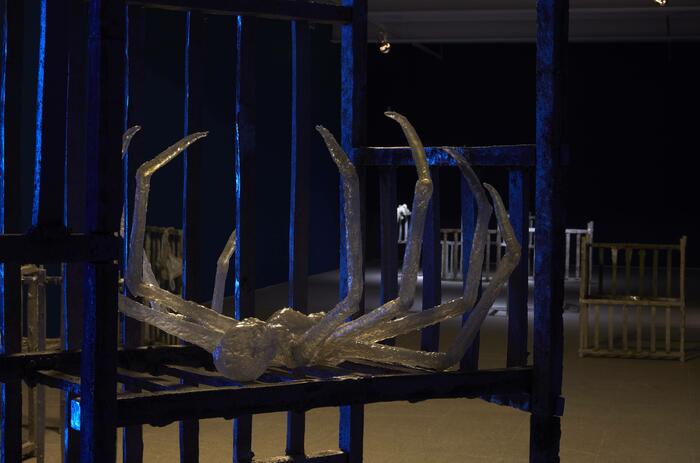
Naufus Ramírez-Figueroa (Guatemala City, Guatemala, 1978) has long warranted a mid-career exhibition such as the one hosted by the Museo Reina Sofía. His ongoing activity and presence in institutions and performances over recent years have positioned the Guatemalan artist as a key figure in the development and visibility of contemporary Central American art beyond its geographic framework.

For over four decades, Mónica Kupfer has been researching, writing, and curating exhibitions that seek to tell a story of Panamanian and Central American Art that is still under construction. She played a key role in the first edition of Pinta Panamá Art Week, where she coordinated FORO—a regional discussion platform that brought together artists, curators, collectors, and institutions.
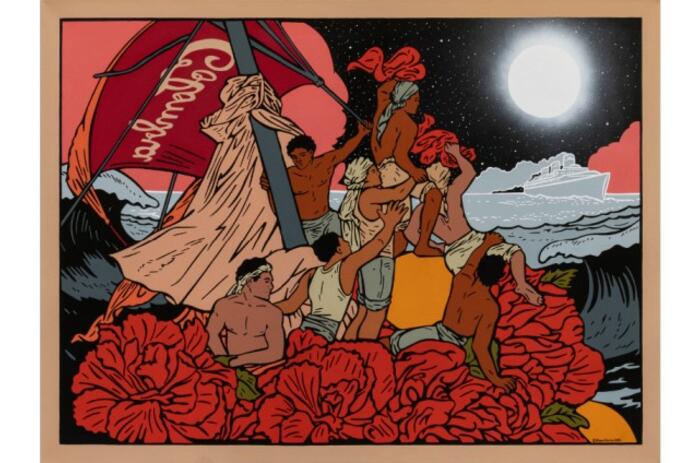
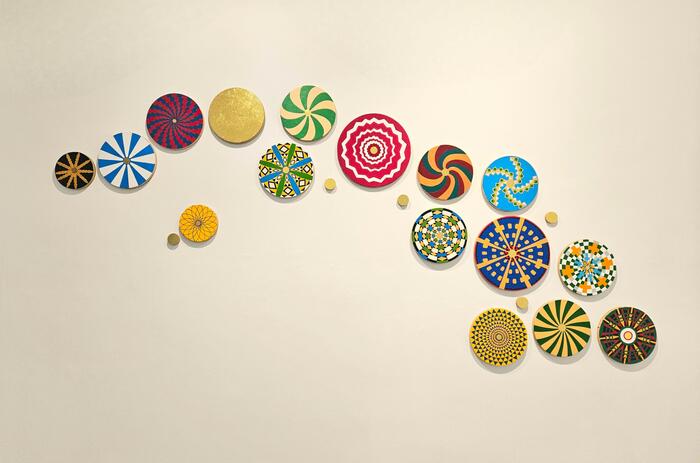
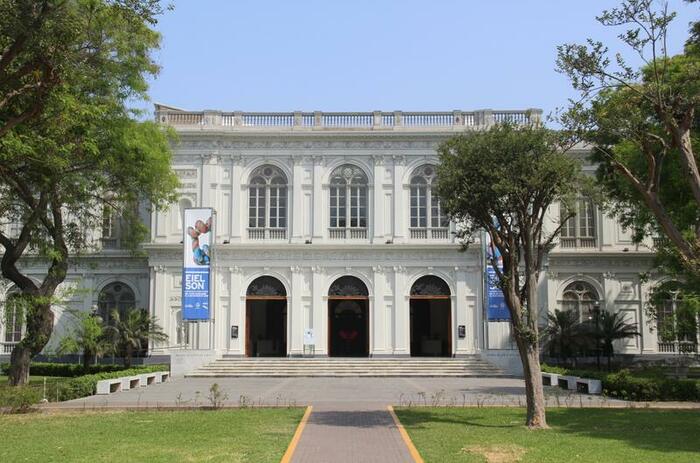
With seven sessions and an extraordinary lot, the auction emphasizes this year three-dimensional and sculptural works.

By Mónica Sotos
What are the successive diasporas of Latin American artists to Spain from the final years before the beginning of the 21st century to the present about? Article 1 of a 3-part series.
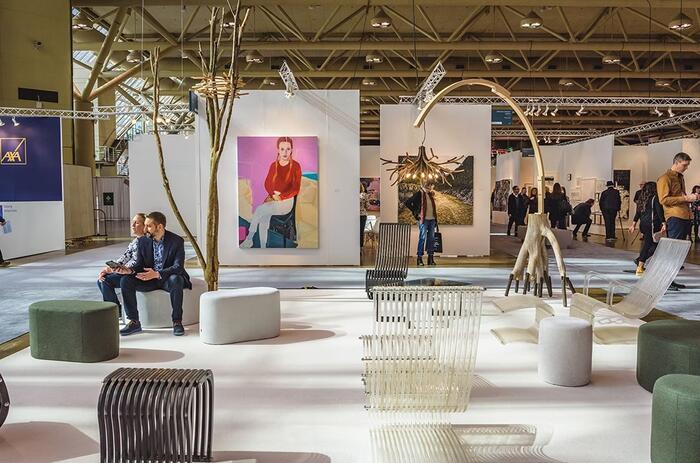
Curated by Karen Huber, Arte Sur brings together eleven galleries whose artists engage with memory, territory, craft, and identity.
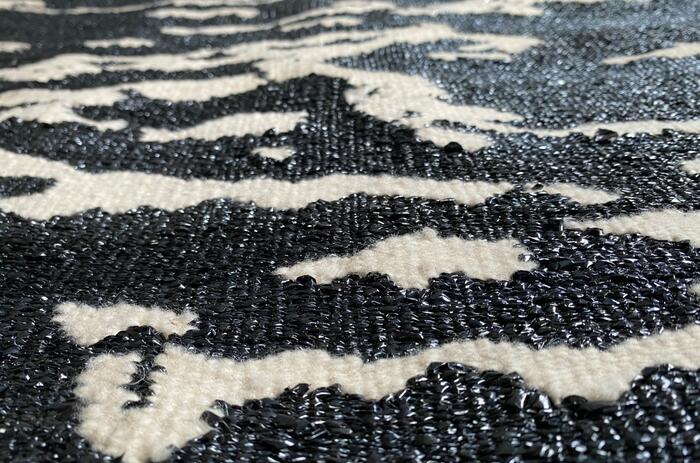
The Cultural Institute of Mexico in Spain presents at its headquarters in Madrid the exhibition El silencio sedimenta (Silence Sediments), a look at the most recent production of Vanessa Enríquez (Mexico City, Mexico, 1973). The show revolves around six literary fragments that reflect on her work, materiality, and creative processes.