By
María Sancho-Arroyo
Hong Kong Sales Week: A Stabilizing Market with Strong Regional Demand
1. Auctions performed better than expected, showing a clear change in momentum
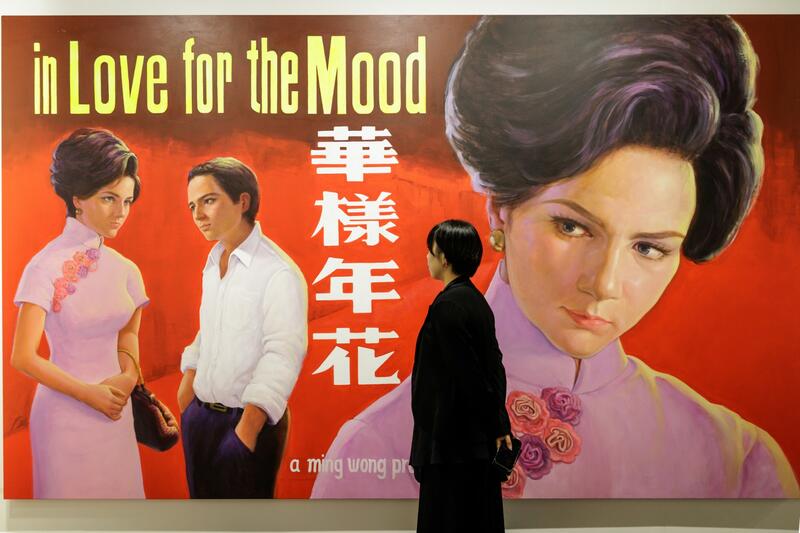
Hong Kong’s March sales marked a notable shift after several weaker seasons. Total sales reached around $216 million, up roughly 43% from last year, with a strong sell-through rate close to 90%. This improvement follows the positive results seen in the London Modern and Contemporary sales in March, which totaled about $551 million, a significant increase compared to 2025. Together, these results suggest that the market is stabilizing, even if it has not returned to previous highs.
2. No Sales Above $5M Signal a More Cautious Top End
At Art Basel Hong Kong, multi-million-dollar works continued to sell, including pieces by Pablo Picasso and Liu Ye in the $3–4 million range. However, no works above $5 million were reported, even though higher-priced works were available, such as a painting by Amedeo Modigliani priced at €11.5 million. This indicates that buyers are still active at the top, but more cautious when prices move beyond a certain level.
3. A slower, more deliberate market has replaced speculation
Across both auctions and the fair, the market reflects a more measured pace. Collectors are engaging, but with greater scrutiny and less urgency, and speculative buying has largely disappeared. This suggests a more disciplined market environment rather than a temporary slowdown.
4. Hong Kong’s Market Is Increasingly Driven by Regional Collectors
Demand is increasingly led by Asian collectors and institutions, reinforcing Hong Kong’s role as a key regional hub. Attendance at Art Basel Hong Kong reflects this shift, with a stronger regional presence and fewer European private buyers. US participation remains visible, particularly from West Coast institutions, whose closer cultural and economic ties to Asia help explain their continued engagement.
Geopolitical tensions and rising travel costs are also contributing to these evolving attendance patterns. At the same time, as the regional collector base continues to grow, the market is gradually moving toward a closer alignment with the scale of wealth in Asia, pointing to further potential for expansion.
5. Hong Kong Reasserts Its Position as a Leading Market Hub
After a period in which Hong Kong’s position appeared to weaken in favor of other Asian centers such as Seoul and Singapore, the strength of this season suggests a renewed sense of leadership. The improved auction results helped generate momentum for Art Basel Hong Kong, while the fair sustained visibility and engagement across the market. This dynamic is reinforced by structural developments. Since 2024, the three major auction houses, Sotheby's, Christie's, and Phillips, have consolidated their presence in Hong Kong, allowing their sales to take place in closer coordination and strengthening the sense of a unified sales week. At the same time, the growing institutional ecosystem in the region is playing an increasingly important role. Museums and institutions from mainland China are more visible, both as visitors and as buyers.
Together, these elements suggest that, despite increasing competition within Asia, Hong Kong remains at the center of the region’s art market activity.
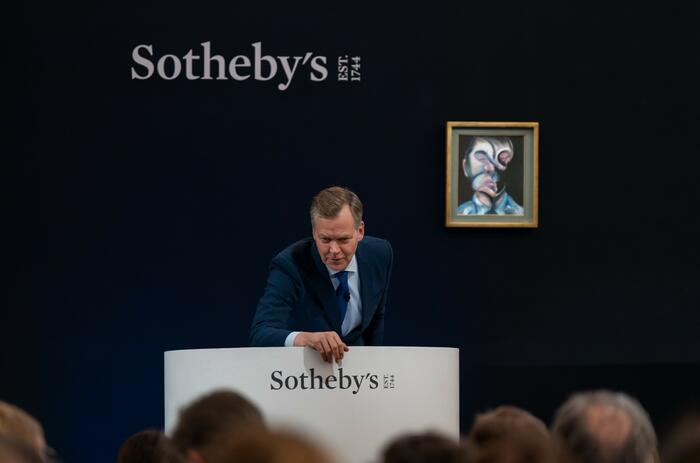
The art maket stabilizes, but the recovery remains uneven.

The Salvadoran curator reflects on the relationship between art, memory, and politics, and on how his work at Y.ES Contemporary seeks to generate opportunities for local artists while building networks with the international scene. He will be participating in the 2026 edition of Pinta Panamá in the FORO talk.
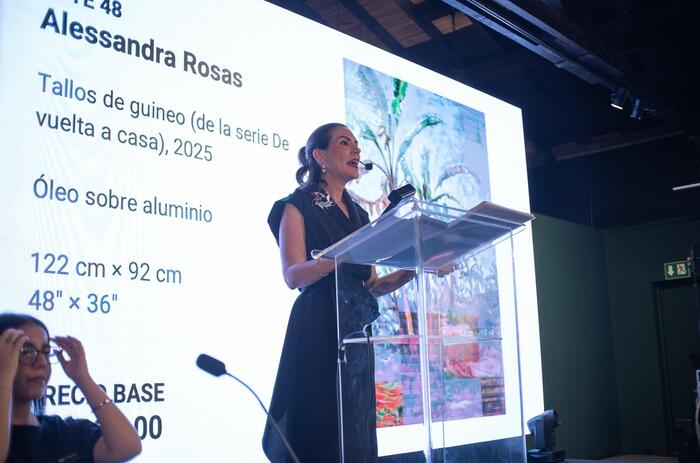
The executive director of MAC Panama, who will participate in the discussion Building Institutional Stories, part of the Pinta Panamá FORO initiative, envisions great opportunities for Central America with the strengthening of its institutions and joint work.
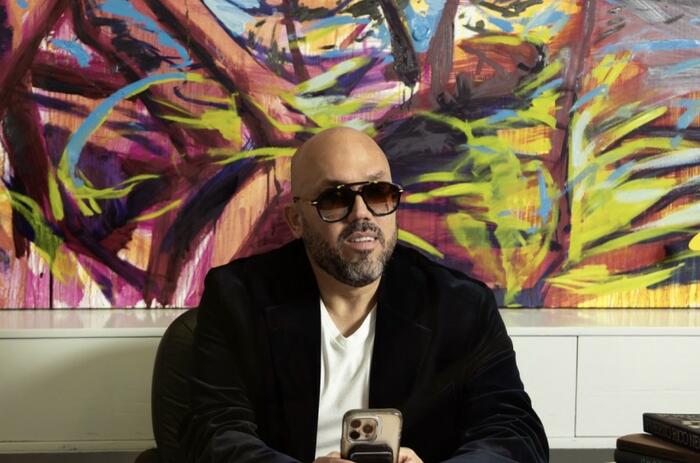
Walter Otero is recognized for his unconventional approach to artist management and the Puerto Rican art ecosystem. His career is now compiled in Walter Otero. A Tropical Gallerist, a book in which he reviews his career and reflects on changes in the sector.