
GALERÍA REBELDE EXHIBITS TEXTILE ART IN “LA HISTORIA DE LA LONA”
La historia de la lona (The History of Canvas) is an international exhibition of canvases, textiles and paintings that narrate their stories and processes as well as those of the artists who intervene in them. The focus is then on the process, rather than the result.
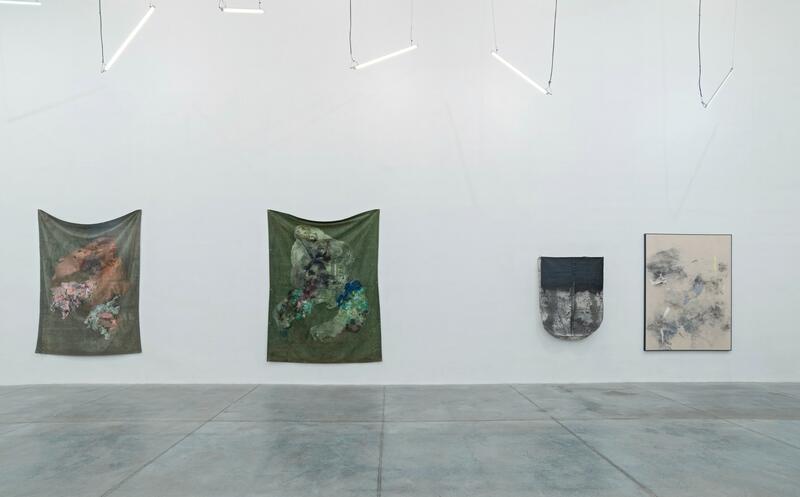
Fernanda Caballero (Mexico City, 1990) lets the paint run freely across the canvas using the natural movement of her body as a guide, recalling color field painting. She thus creates stains of color that spontaneously reflect her meditative processes, letting the color manifest itself in a game across the canvas. The origin of these canvases is also important, with a marked interest in textiles and the way in which they condition the painting due to their texture, their porosity or even their history, in this case used military canvas. How does the history of the material condition the history of painting? And what dialogue do the body of the canvas, the body of the artist and the body of the painting create when they find themselves in this situation?
Following the same curiosity, Oso Parado (Morelos) also allows nature to intervene in the works, creating new stories. His canvases are based on the connection that exists between nature, human beings and technology, reflecting on the reality of our contemporary society. The works in this exhibition are paintings in collaboration with chance, time and matter. Parado ties a GPS sensor to the canvas before throwing it into the sea, to rescue it days later with the changes that natural conditions have caused in the painting. In others, he hides the canvases in the ground to retrieve them later and continue the dialogue with the passage of time and the environment.
Jaime Poblete (Santiago, 1981) also proposes gestures as pictorial exercises, using acrylic resin and pigments to give the fabric body and enhance the freedom of color after repetitively immersing the fabric in the materials, like a mantra, until the final result is achieved. In addition, the fabrics take on three-dimensionality on the wall, creating shadows and proportions that turn the canvas into a sculpture.
Gonzalo Hernández (Lima, 1991) creates unique textiles with industrial manufacturing processes for his jacquards created from physical collages. For this series titled Almost there, the artist reflects on what it means to be a successful artist with humor and cynicism regarding stereotypes and market expectations. The works are based on collages made with images of artworks from the Rubell Museum in Miami, commenting about the names which are part of the collection of a private museum. The first step is then to form the compositions with clippings from the collection catalogue, digitize the image and commission its manufacture, obtaining the textile piece as a result.
Contrasting the industrial process, Angélica Serech (San Juan Comalapa, 1982) reinvents the tradition of her Mayan Kaqchikel heritage to propose textiles that introduce new colors and techniques to the Comalapa textile tradition. Using a backstrap loom and a vertical loom, Serech introduces knots, spheres, braids and hair to a textile composition that narrates her most intimate stories and dreams. In My story in knots on the back of my güipil, Serech pays homage to the women who have influenced her life, from the loose threads that remain on the back of the embroidered güipiles, each knot and each thread is a story and a record of time and work. The process for this embroidery lasted more than a year of production and it is also an offering for her village, preserving the color of the traditional embroidery of Comalapa.
This conversation of threads and colors is also a dialogue between crafts and art, presenting fabrics with an aesthetic and conceptual function that redefine the production of images and meanings from materials and techniques that give way to the protagonism of the process and history. Thus, all these canvases and textiles tell their own stories of past lives.
The Story of the Canvas
Until February 28, 2022
The Rebel Gallery
Km. 7.5 Carretera Muxbal, Plaza Empresarial Muxbal Suite #3
Guatemala City
May interest you
GUADALUPE MARAVILLA EXHIBITS IN MoMA AND OFFERS HEALING SESSIONS
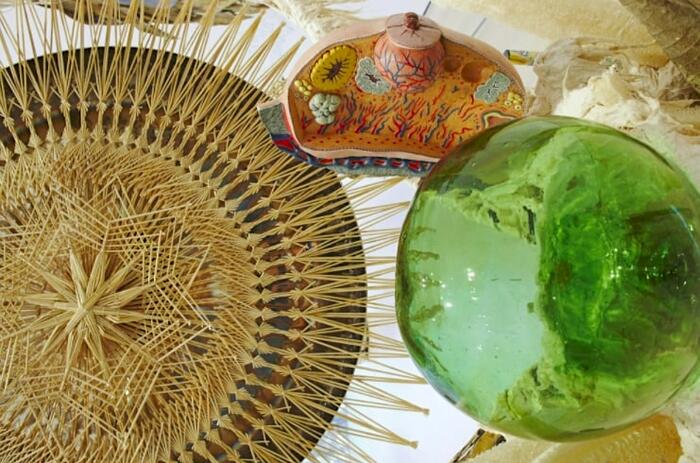
Guadalupe Maravilla: Luz y Fuerza exhibits sculptures and other pieces by the Salvadoran artist while also hosting Healing Sound Baths for the public. “I create new mythologies that take the form of real and fictionalized rituals based on my own lived experiences,” says Guadalupe Maravilla.
ALEXANDER GRAY ASSOCIATES REPRESENTATION OF RONNY QUEVEDO
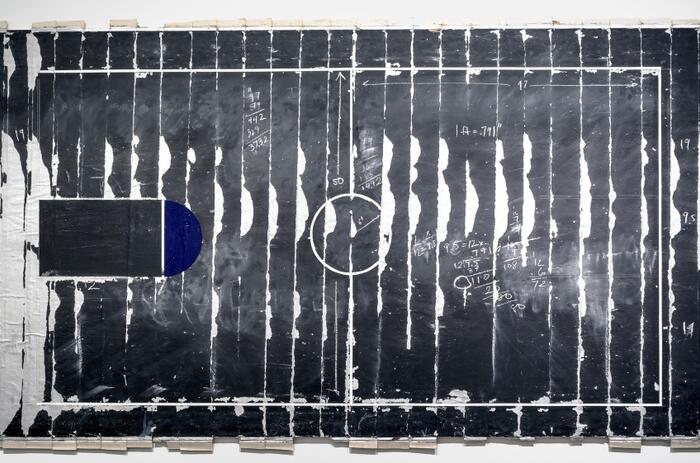
The New York-based gallery will present Quevedo's first solo exhibition with the Gallery in fall 2022.
EIGHT ARGENTINE IN ARCO MADRID 40 (+1) ANNIVERSARY EDITION
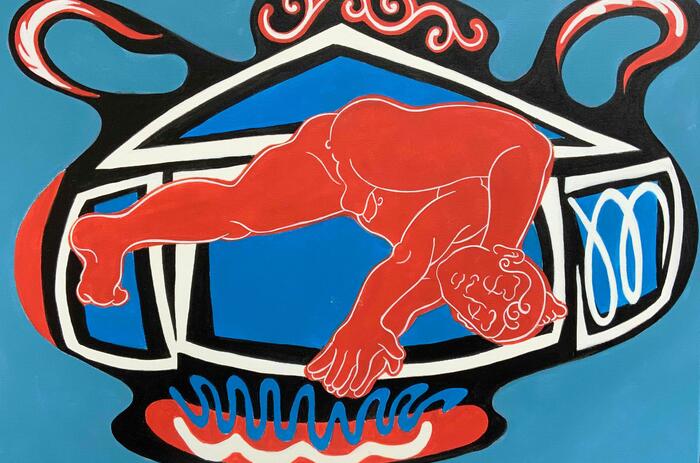
From February 23 to 27 in pavilions 7 and 9 of IFEMA Madrid, the 40 (+1) edition of the most important international art fair on the Iberian Peninsula will take place.