By
Esther María Arjona
The exhibition Diálogos Autónomos brings together unique visual systems by eight artists as diverse as the Latin American region who confront homogeneous narratives.
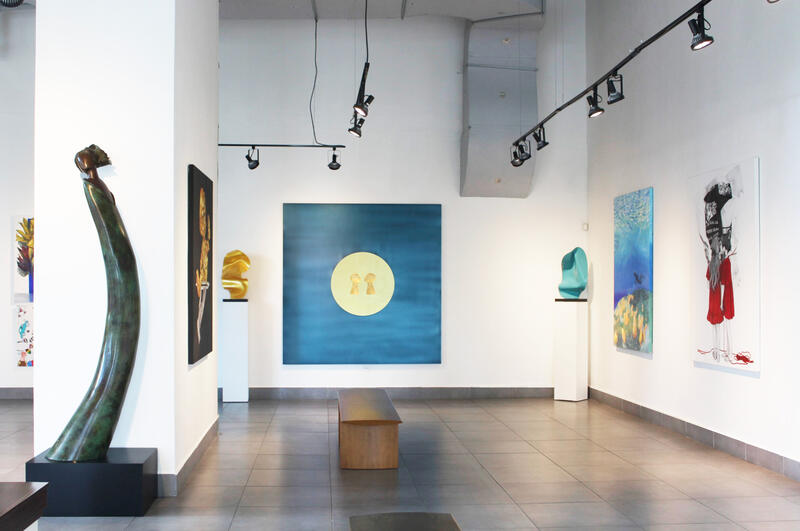
Galería Habitante, at its headquarters in Costa del Este, Panama City, has brought together eight Latin American artists, each with a different origin and heritage, as well as training, tastes and experiences. Each of these works converses with the neighbors, each with its own voice; all of them, sharing the limelight.
Diálogos Autónomos brings together Gabriel Wong, a Panamanian architect and artist of Chinese descent, born and raised in the Panama Canal Zone. His art reflects his personal history: a fusion between his Chinese cultural heritage, his tropical upbringing and his architectural training; Rafael Amir Candanedo (Amir Lucky) with work influenced by street art, graffiti and pop culture; Omar Mendoza, a contemporary Colombian painter whose work explores the relationship between nature and the human-built world in a powerful environmental critique; Alexander Wtges, an artist shaped by the intersection between advertising, graphic design and the visual arts; Gladys Sevillano, an architect who works with sculpture because she turned her love for glass into a passion; Gennaro Rodríguez, an architect and visual artist whose artistic proposal arises from abstract compositions of geometric lines and figures; Enrique Jaramillo, architect, visual artist and writer who has participated in more than 75 art interactions between solo and group exhibitions, auctions and urban interventions and Manolo Rodríguez, a Peruvian artist whose work has evolved towards abstraction and geometry, focuses on movement as an essential element of form, seeking to create compositions that metaphysically resonate with the observer.
They share a common geographical framework, but not the same label. Instead of adjusting to predetermined categories or simplified readings, each artist builds his own visual system and establishes a grammar from which he governs his language.
Latin America then appears not as a fixed identity, but as a zone of possibility: a plurinational, multiethnic, pluricultural and multilingual territory, woven by countries, customs and rituals that do not respond to a single definition.
Diálogos Autónomos will be open to the public on March 18.
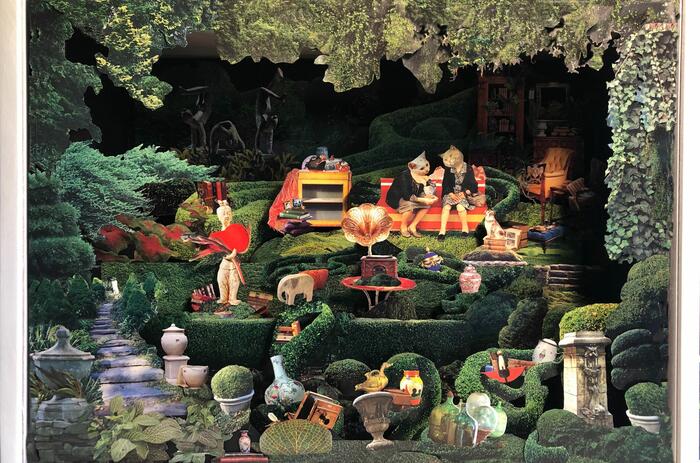
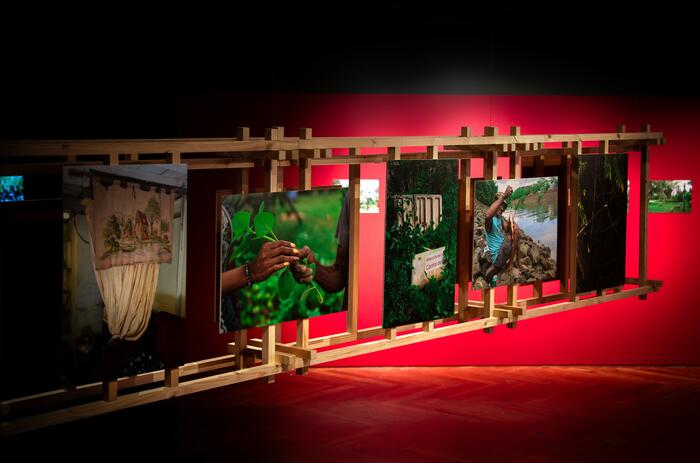
The photographic exhibition of the American Tova Katzman leads the viewer to question the limits that mark the territory we inhabit.
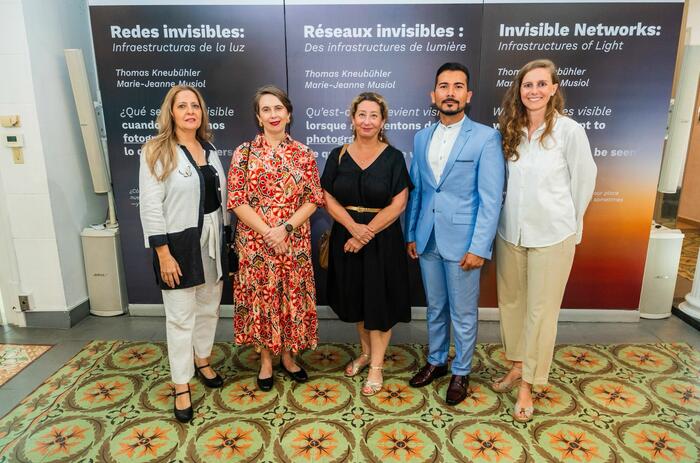
The exhibition of the Swiss-Canadian photographers at the Alliance Française in Panama City invites the public to look beyond what we can usually see.
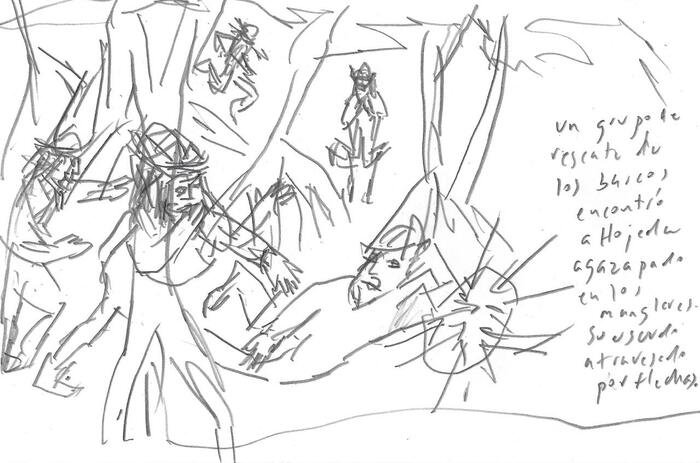
During the Central American country’s art week, works that study histories, recreate them, and bring them into reflection will be presented. From the play with materials to the manipulation of space, Lulu Molinares, Cisco Merel, Arístides Ureña Ramos, and Isabel de Obaldía create pieces that propose alternative readings of memory, territory, and everyday life.
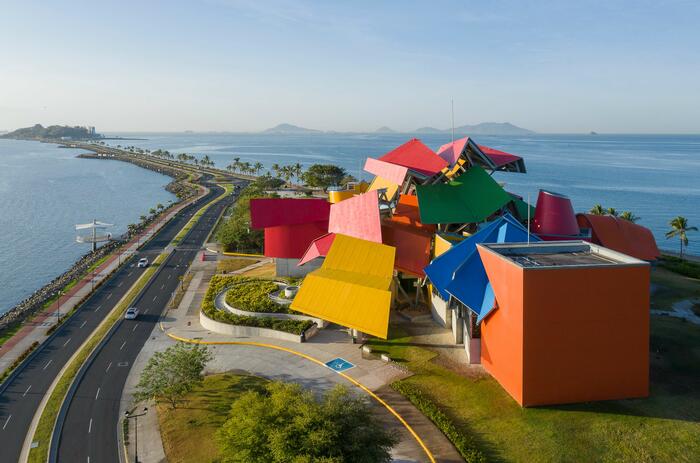
On the Amador Causeway, right at the entrance to the Panama Canal of the Pacific Ocean, the Museum of Biodiversity takes place, with a structure that does not go unnoticed both for its shapes and for its color. It is an avant-garde building that coexists with the natural environment.
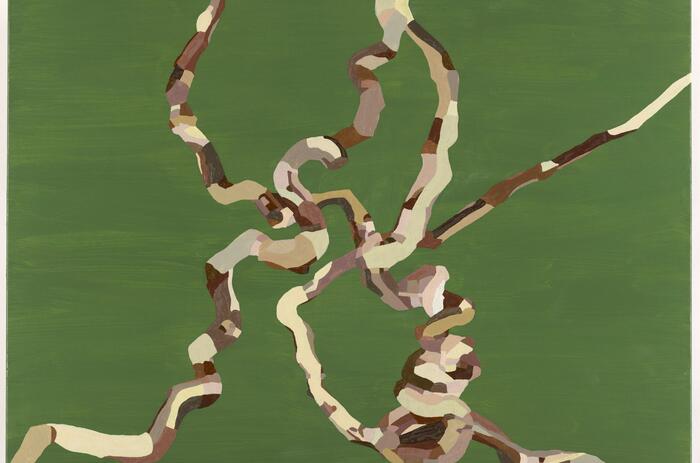
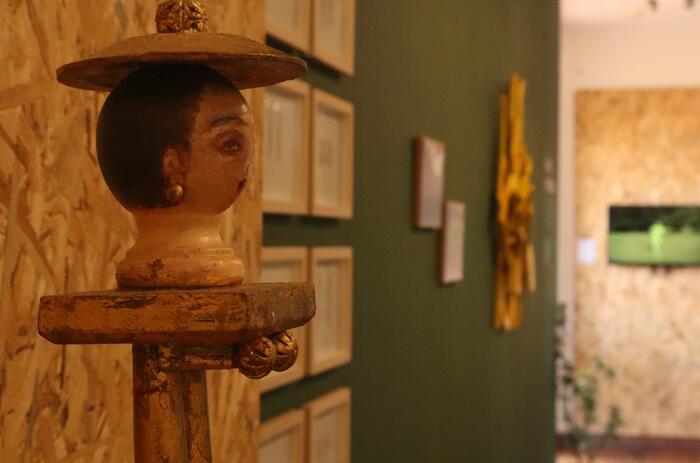
The exhibition The Dimension of the Invisible: Ecofeminist Traces of Panamanian Art brings together 10 women artists who question the boundaries between nature, body and community at El Centro Cultural de España – Casa del Soldado. The exhibition is curated by Gladys Turner Bosso.
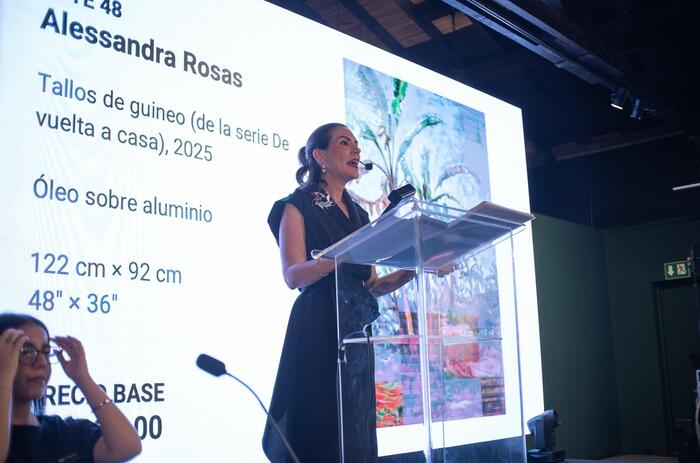
The executive director of MAC Panama, who will participate in the discussion Building Institutional Stories, part of the Pinta Panamá FORO initiative, envisions great opportunities for Central America with the strengthening of its institutions and joint work.