
Reviews
Reviews of Latin American and international art exhibitions. Critical writing on shows at museums, galleries, and contemporary art spaces.
Barrio Workshop Artspace
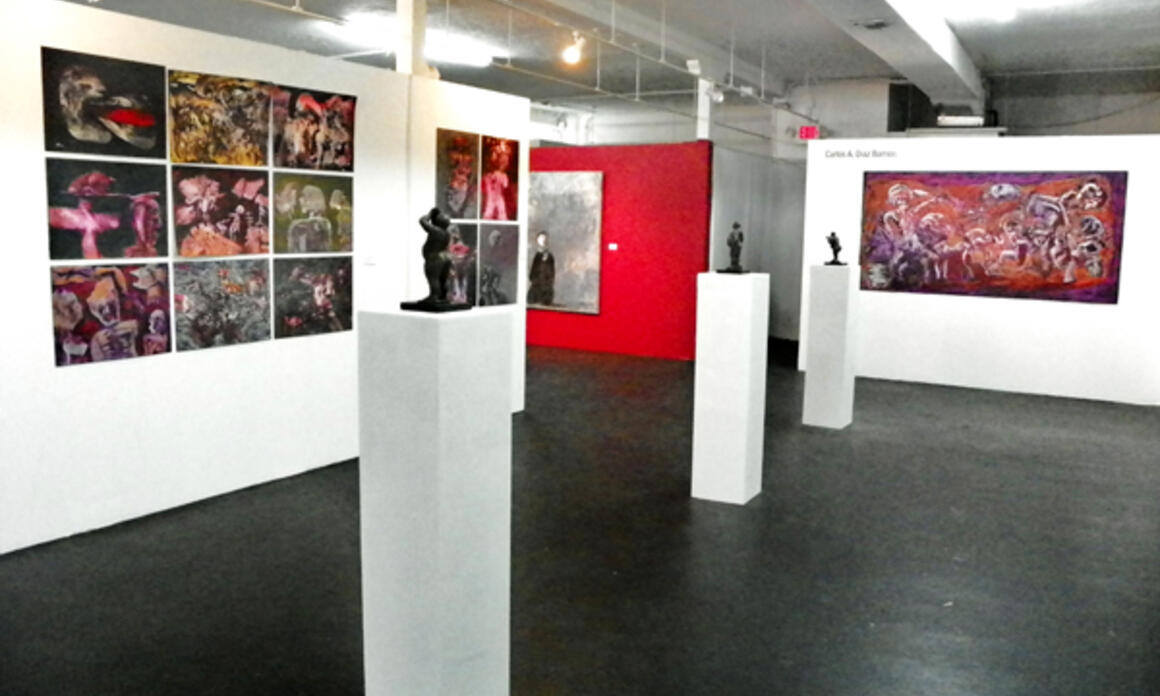
Five Miami-based Cuban artists aligned with the Neo-Expressionist tradition – Yovani Bauta, Frank Chinea Inguanzo, Carlos A. Díaz Barrios, Vicente Dopico-Lerner, and Ramón Lago − gathered together in a gallery that is deliberately marginal and warmly human: Barrio Workshop Artspace.


Rodrigo Echeverri
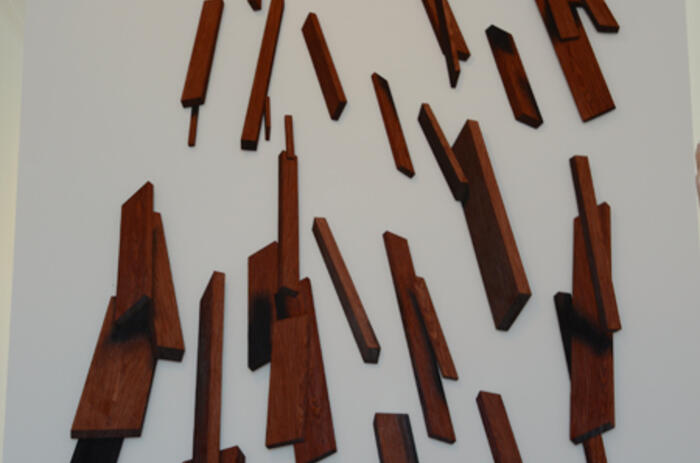
Looking into the work of Rodrigo Echeverri implies a risk. The strength that his compositions radiate arouses mixed feelings.
Agustina Woodgate
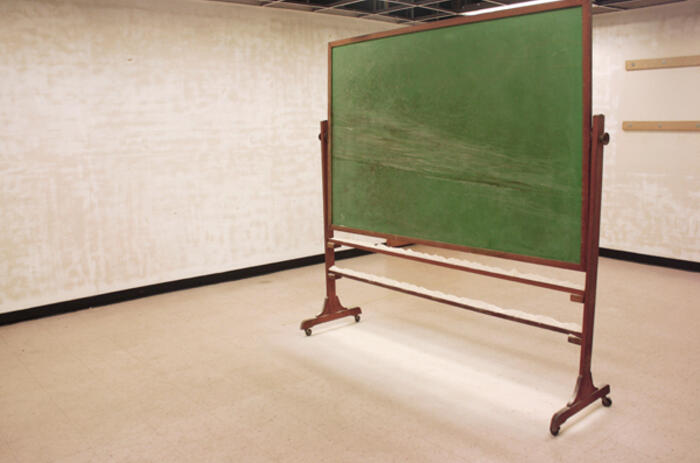
At the temporary headquarters of Spinello Projects, a currently abandoned kindergarten building, Agustina Woodgate, (Buenos Aires, 1981) intervened in the space with an installation, If these walls could talk.
Jorge Méndez Blake
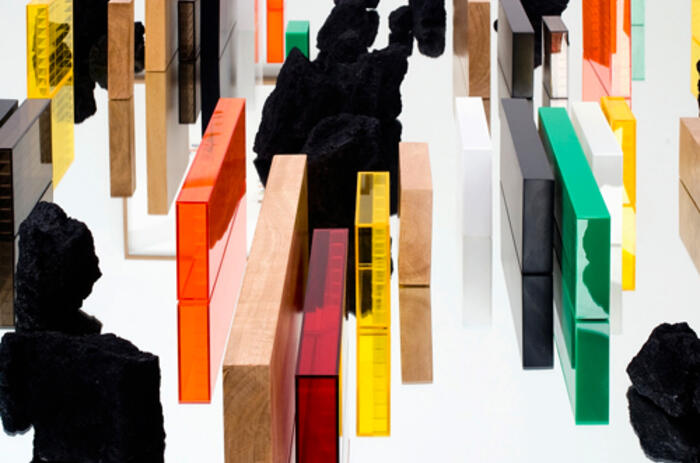
With Biblioteca Mallarmé, Jorge Méndez Blake (Guadalajara, Mexico, 1974) embarks once again on an exploration of the boundaries and conjunctions between literature, art and architecture, which are recurring elements in his production and the subject of a fruitful study.
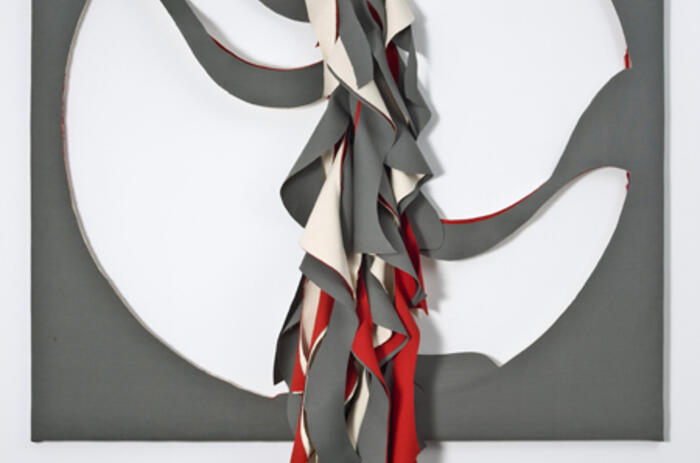
Emilia Azcárate
Emilia Azcárate’s (Caracas, Venezuela, 1964) most recent work offers us a new vision of the passage from the bidimensionality of the canvas to the three-dimensional object, which goes beyond the studies of depth that may be performed on the plane and that affords the latter a new form of life.
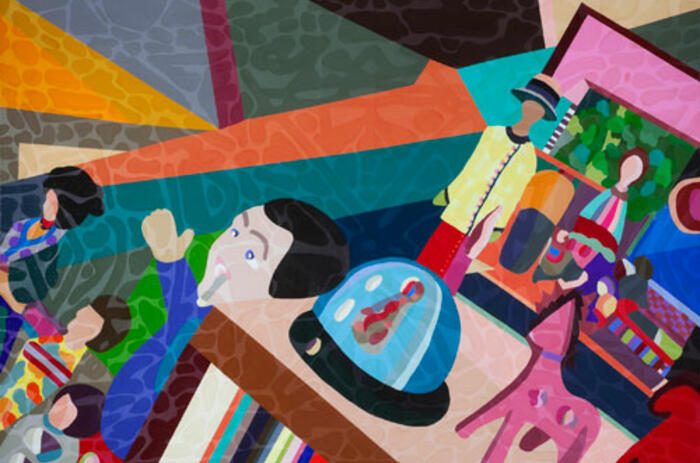
Carolina Antoniadis
Carolina Antoniadis (Argentina, 1961) exhibits her paintings, photographs and objects that summarize part of her biography and reveal the marked interest in design noticeable throughout her work. Behind an apparent exuberance of colors and vibration, the artist’s pictorial oeuvre hides more than what it shows.
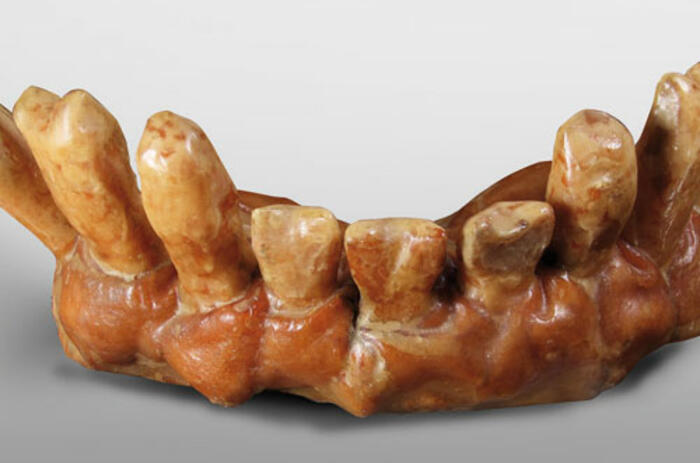
Norberto Gómez
“What impacted me most of those works was their brutal and immediate character, which revealed the scarce concern of the artist for tempering, through rhetoric resources, the proposed experience”, curator Ana María Battistozzi points out when referring to the work that Norberto Gómez (Buenos Aires, 1941) started to make in 1977.
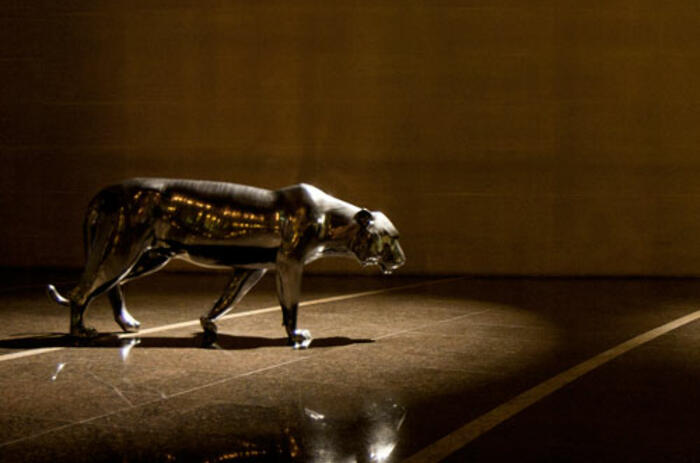
Ananké Asseff
Fear, insecurity and anguish are the subjects that Ananké Asseff has been exploring for a decade. Her career began with a series of photographs “Mi presente perfecto” (My perfect present), a sarcastic title for images that account for the economic, political and social crisis that Argentina has gone through.
Paraguay rapé
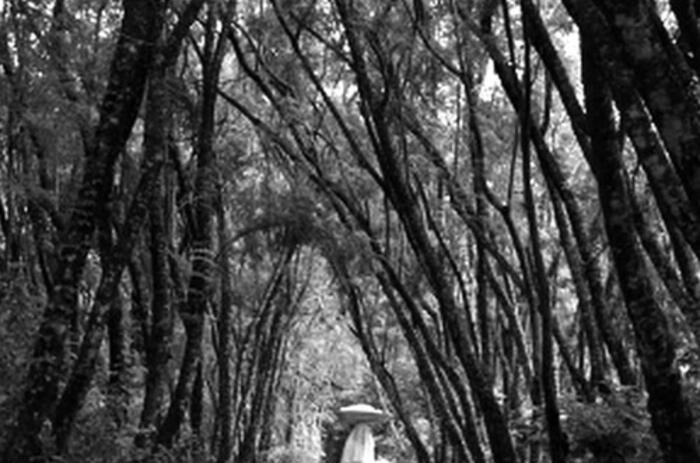
Interested in the complex relationship between Paraguayans and Argentineans, still impregnated with the burdens of war and dictatorial complicities (Triple Alliance, 1964-1870; Cóndor Plan), frontier tensions and illegal immigrants, Victoria Verlichak brings together in Paraguay rapé (Camino paraguayo – Paraguayan Road) the Argentineans of Paraguayan origin Matilde Marín and Luna Paiva, and the Paraguayans Joaquín Sánchez and Ángel Yegros.
Meditation, Trance
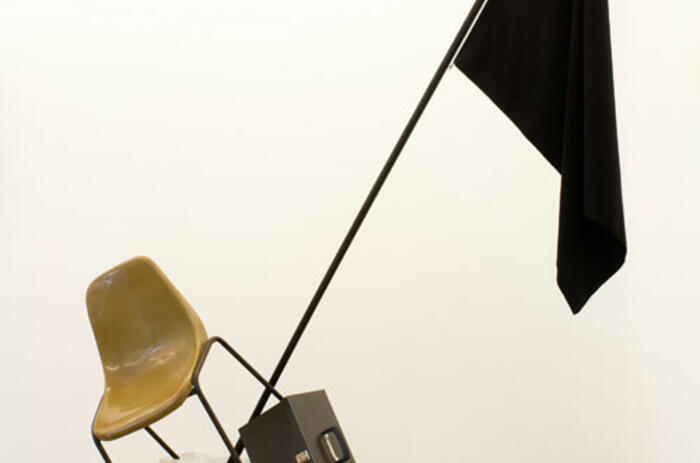
A block of ice holds a chair and a flag in place. It melts over the course of 24 hours triggering an act of destruction that may be sudden or gradual depending on the temperature of the room.
Liliana Porter
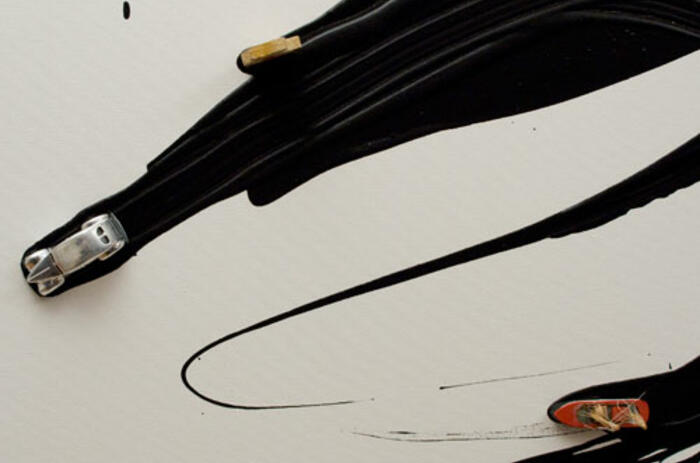
Tiny human figures swept up in a storm of colour and waves evoke fragility in a piece Liliana Porter showed at her latest solo exhibition at Luciana Brito Gallery in São Paulo.
Marco Mojica
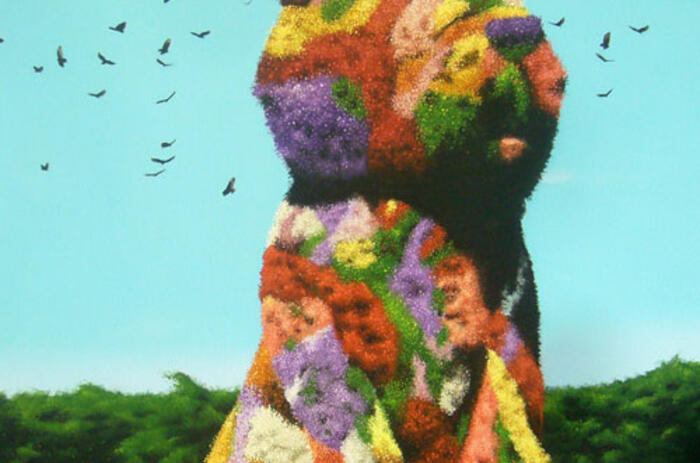
A series of paintings and drawings, supported by photography, compose Marco Mojica’s last exhibition. Mediatization of the image both at the source and in the product continues to be the conceptual variable which configures the formal language of his artistic proposal in itself.
Juan Manuel Echavarría
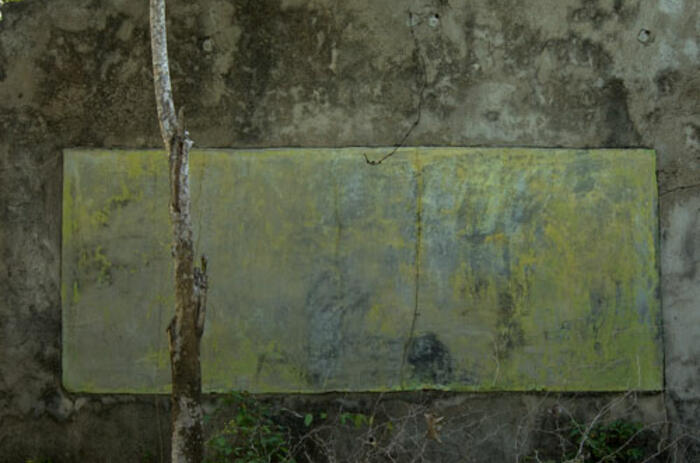
One of the crudest examples of forced displacement in Colombia as a consequence of territorial fights is the one that occurred in the region of Montes de María, between the coastal departments of Bolívar and Sucre, in the north of the country, a strategic corridor for the passage of illegal drugs.
José Antonio Dávila
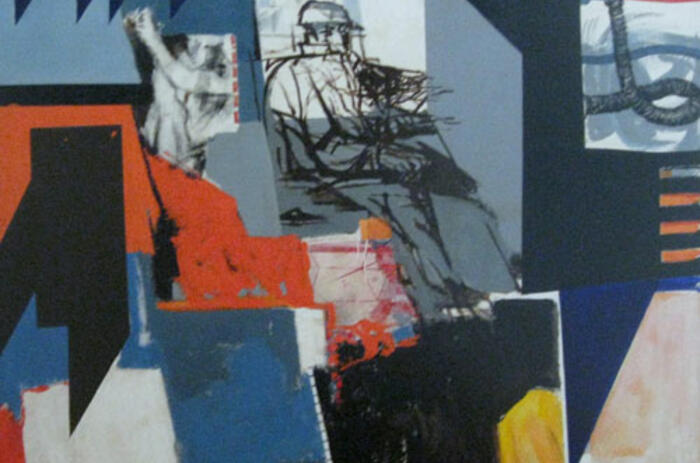
In 1967, José Antonio Dávila (New York, 1935) visited several cities in the United States on an invitation from that country’s State Department. Back in Venezuela, he conceived a figurative approach to contemporary man conveyed through cabins and engine rooms where man is trapped in anguish and alienation.
Héctor Maldonado
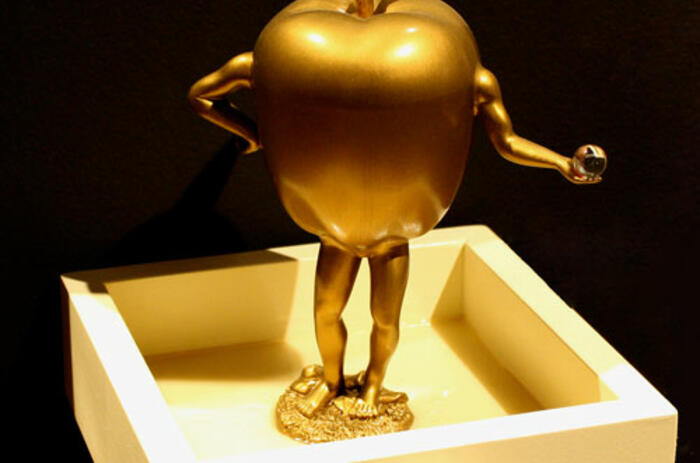
The rising career of Héctor Maldonado (Puerto Rico, 1972) has achieved its first great institutional backing with the current exhibition at the Museo las Américas of a comprehensive compendium of his oeuvre under the suggestive title Welcome Home.
Distant Star
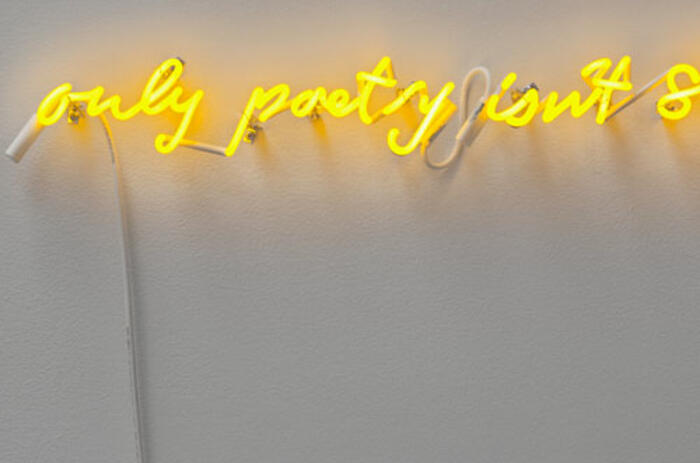
In Los detectives salvajes (The Savage Detectives), Roberto Bolaño described the way in which the real-visceralists, or viscerrealists, walk backward. How backward? Backwards, looking at a point in space but walking away from it, in a straight line towards the unknown.
Olivier Debroise
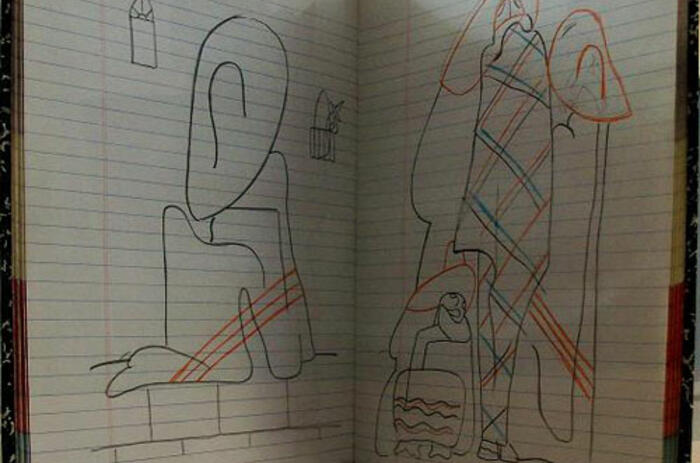
Olivier Debroise’s work, even if not exhibited, illustrates the polyvalent quality of writing, of the executer and of the reader, and at the moment of showing himself to the public he links together and unleashes something which is not pointed out anywhere in museography or in history; something which has more to do with the act of cracking a nut open than with eating it in different recipes.
Nina Surel
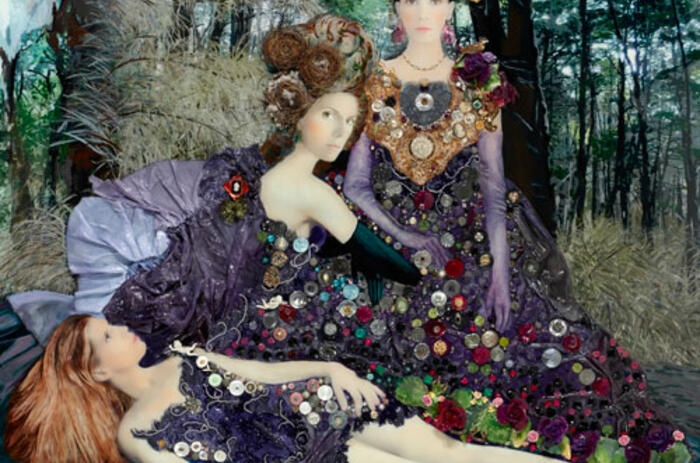
With Understory, exhibition of collages of the Argentinean artist Nina Surel, Praxis Gallery of Miami has entered the fall offering an impressive display of works which impose themselves because of their great format and sensorial impact.
Jorge Pedro Núñez
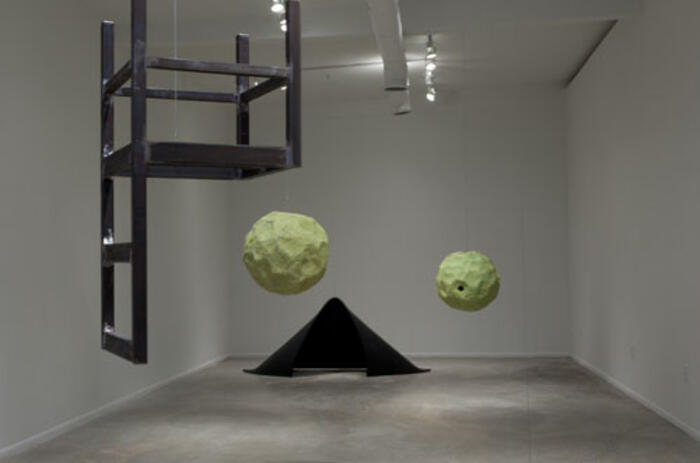
In the visual tissue created in Concetto spaziale, Pedro Núñez’s solo show (Caracas, 1976), the artist reflects on the experience of art from the starting point of art itself.
Patricia and Juan Ruiz-Healy: Collection of Contemporary Art of Oaxaca
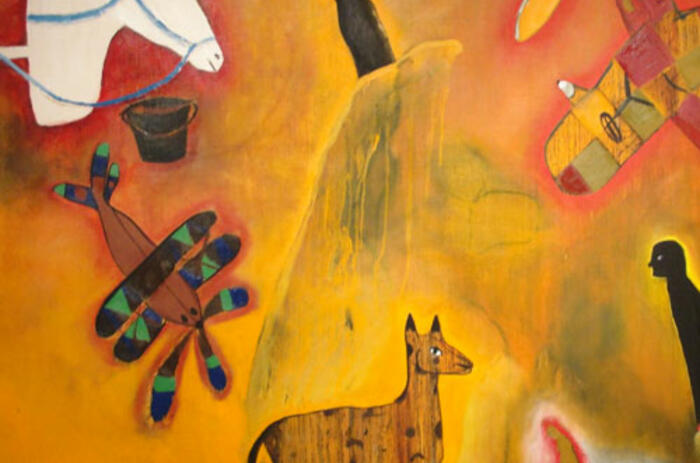
Collecting art today implies a kind of dialogue between one’s own imaginary and that of the works that one chooses to be one’s own. That is to say, it implies building a bridge towards forms of collective iconography. This was very clear to Patricia and Juan Ruiz Healy from the first moment that a Rufino Tamayo fell into their hands.
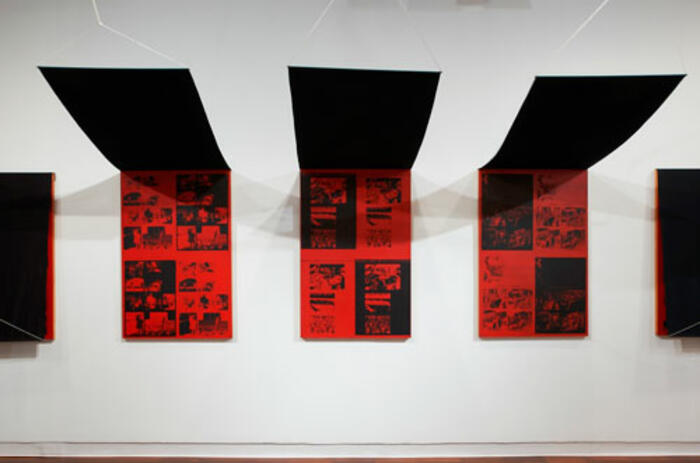
Antonio Manuel
From September 15 through December 10, visitors will have the chance to view the first solo exhibition in the United States of the Brazilian artist Antonio Manuel (b.1947, Portugal). The show focuses on Antonio Manuel’s preeminent role in the development of the groundbreaking neo-avant-garde movement that emerged in Rio de Janeiro during the 1960s.
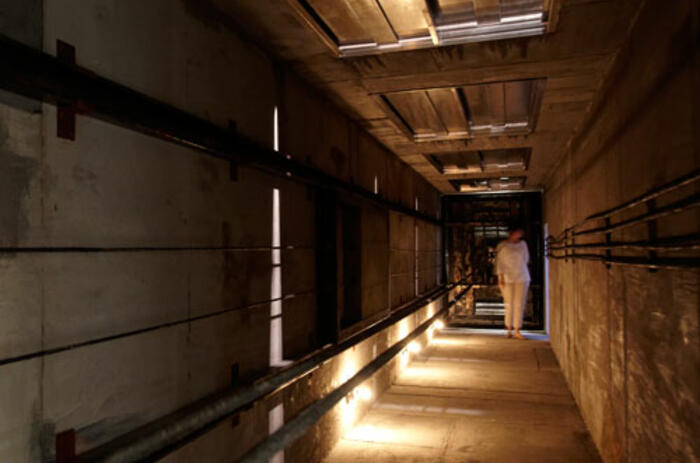
Leandro Erlich
The elevator is, in Leandro Erlich’s words, “a functional object, but in which life seems to be suspended between brackets. Recorded voices and music can step in to alleviate the inconveniences of the trip, but we cannot avoid each other in this space and consequently experience the Sartrean room of the ego. We are nobody, we are nowhere, we are not any person and we are not in any place”.
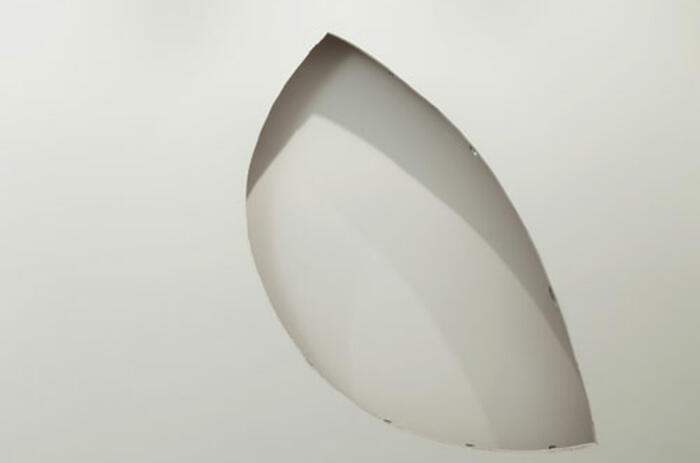
Diango Hernández
Exeunt. Of going out. Of leaving. Of running away. It is also the declaration of intentions of the Cuban Diango Hernández in his last show at Alexander and Bonin. Day´s End, the famous piece in which Gordon Matta-Clark cut out a cat’s eye shape in the façade of a New York building could be the escape way that Hernández is looking for.
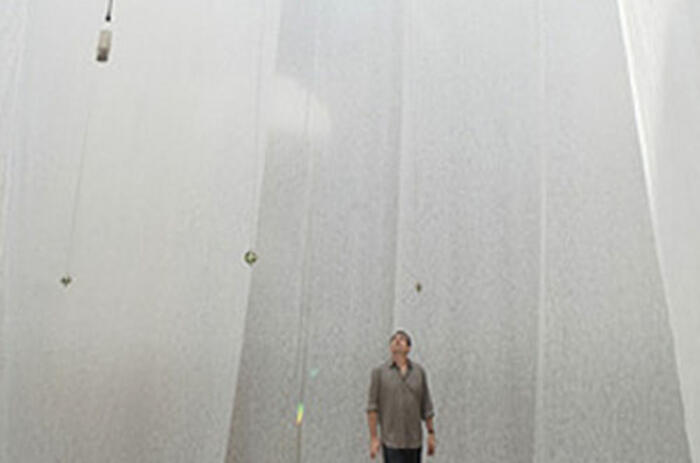
Carlito Carvalhosa
The atrium of the Museum of Modern Art has been flooded by an ethereal sixty feet high (something over eighteen meters) cascade of a very sheer white fabric, with a slight undulation caused by the airflow and the interaction of the spectators, and more than developing in the space, it seems to try to contain it, fracture it, reinvent it, and at the same time accumulate in it, time.
Gabriel Orozco
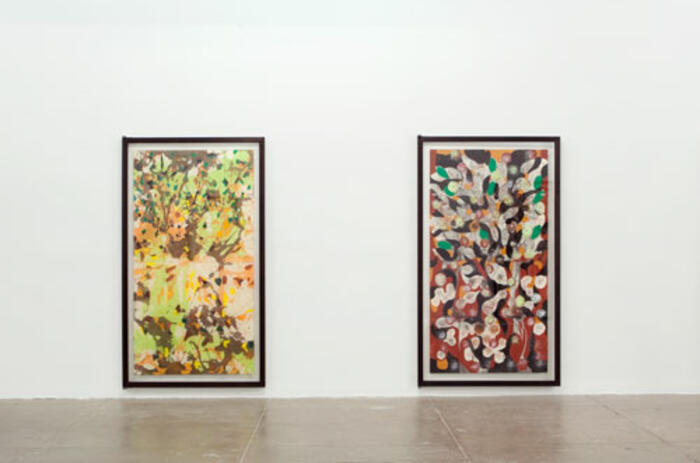
Articulated in three parts, the exhibition presented two new working groups. The first, Corplegados, was a series of large format drawings. As in former works such as Havre-Caumartin (1999), Corplegados are the manifestation imprints of the body while interacting in specific situations.
Alexandre Arrechea
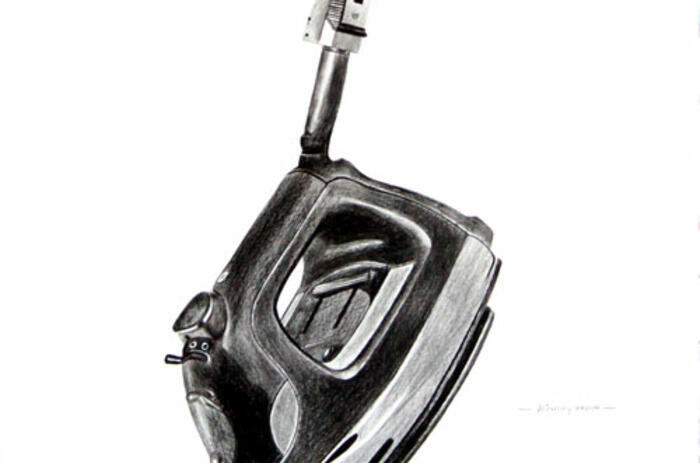
El objeto sacrificado (The Sacrificed Object) is the title under which Alexandre Arrechea (Trinidad, Cuba, 1970) is presenting his first productions in graphite since the days when he had his formal training. After having experimented with various materials, he somehow readopts the one that is perhaps the most “academic”, to surprise the viewer with new concepts.
Matta
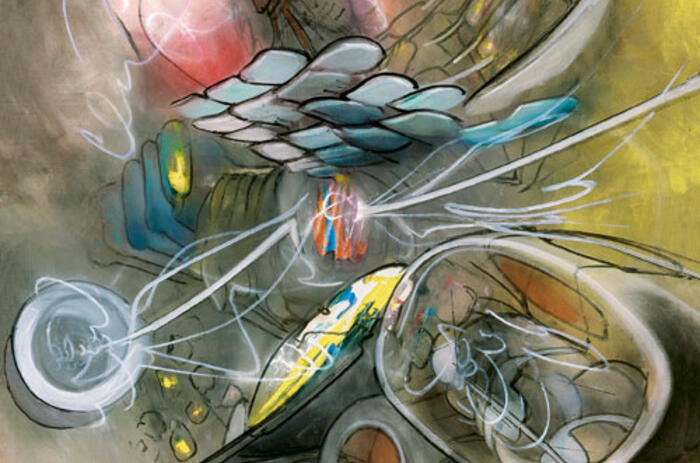
The search for limits in multiple dimensions and the investigation of space and its possibilities occupied during considerable time the thoughts of Matta (Santiago de Chile, 1911- Civitavecchia, Italy, 2002), interested in these concepts and in their application in the field of the visual arts since the days of his training as an architect.
Proyecto Juárez
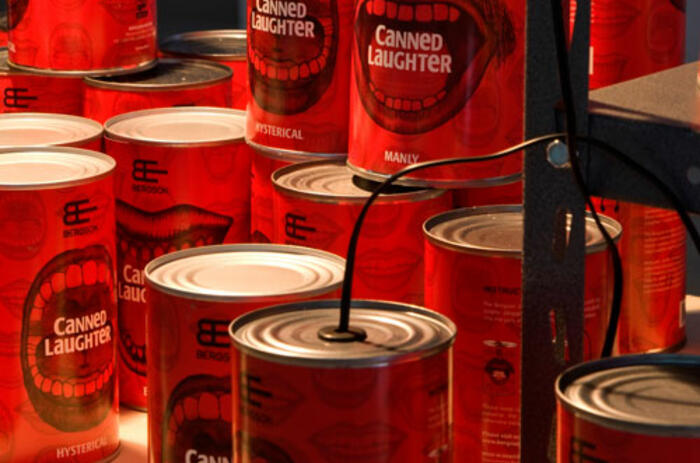
The sad reputation that has pursued Ciudad Juárez in recent times, marked by a social and economic reality which, even though peculiar to that city, can be witnessed in other large Mexican urban centers along the border with the United States, is present on a daily basis in the newspapers or in the news broadcasted all over the world.
Emilio Chapela
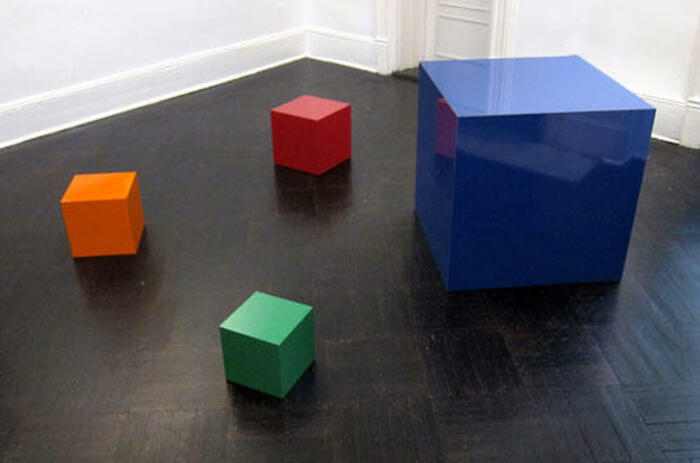
The following conversation between Emilio Chapela and me centers around several paintings, photographs, and sculptures at the Henrique Faria Gallery and the Pace/MacGill Gallery in NewYork.
Miler Lagos
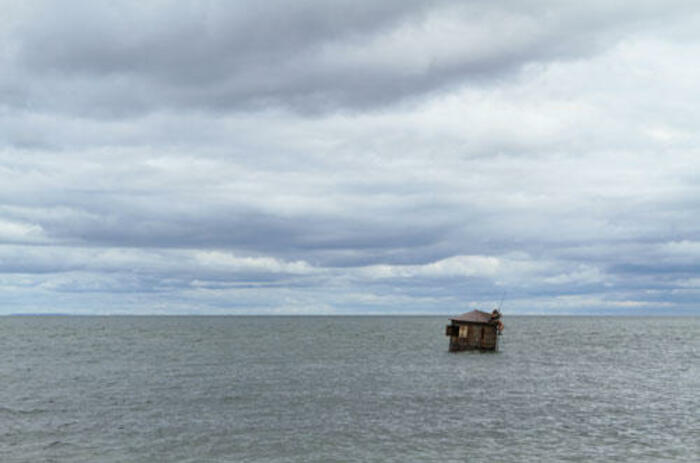
To “think” contemporary art demands considering the recapitulation of ideas and concepts. Post-modernity has placed in the spotlight the recycling of philosophies, stands and concerns that allow the contemporary artist to become immersed, in a more realistic and effective way, in the study of the issues that make up and define the social physiognomy of his immediate reality.

Leo Battistelli:
Life makes no sense. That is why art exists. We are doomed to insist, to wish to remain, to persist through time, but our fate is to leave. We know this since childhood: in the future there will be a day when we will no longer be here. Although it makes no sense, life is an explosion of intensity.

José Carlos Martinat
By destruction I understand all those processes that show what we call losses. Traumas which in most cases explain a complete deracination of memories, but which inevitably leave a series of flashes of reminiscences along the way; semi invisible landmarks that evidence the idealization of a traveled road.

Juan Melé
The consistency of the work produced by Juan Melé harmonizes with the exhibition space in the Galerie Argentine − Argentine Embassy. In a curatorial exercise detached from chronological organizations, the show develops organically amidst paintings, sculptures and engravings.

Rogelio López Marín (Gory)
The exhibition Rogelio López Marín (Gory): Selected Photographs 1984-1994, permits a recapitulation of a crucial moment in contemporary Cuban art through an impeccable selection of this author’s most emblematic series, included in the Liza and Arturo Mosquera Collection.