

By
Violeta Méndez
Álvaro Barrington and Jota Mombaça present architectural installations in the Netherlands that address the event's central theme.
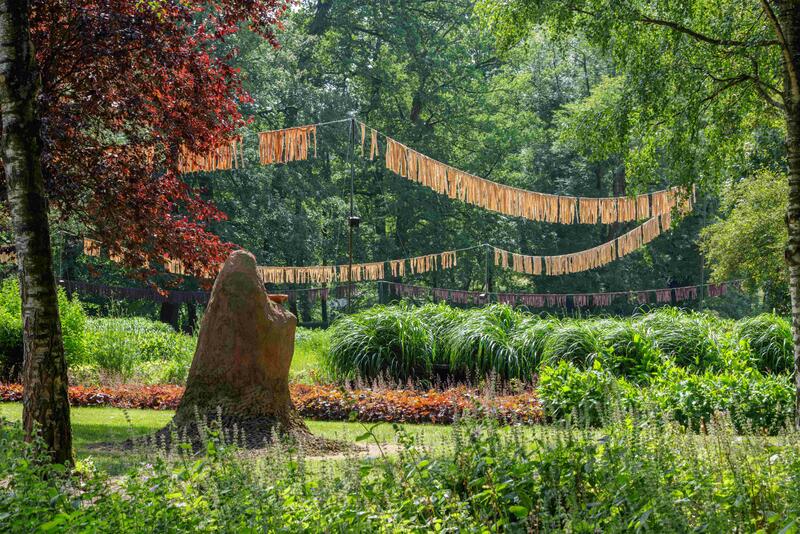
This July saw the opening of the 13th edition of Sonsbeek in Arnhem, the Netherlands, featuring site-specific installations, sculptural presentations, and performances that expand our understanding of art in public space. Park Sonsbeek, partner institutions, and various locations throughout the city serve as the setting for new and existing works by 18 artists from the Netherlands and abroad, two of them Latin American. Both artists' works engage with the event's theme: Memory as a Living Action.
Álvaro Barrington (Caracas, Venezuela, 1983) presents To Be Heard (Gehoord worden) (2026), an installation that invites visitors to sit and let themselves be carried by the sounds of the world. Architectural in character, the piece acts as a mediator between nature and shelter, solitude and collectivity. It asks whether hearing, as the deepest form of attunement to one's surroundings and to oneself, might redefine how memory is built, and proposes that sharing and building a space requires learning to listen within oneself.
Along the same lines, Jota Mombaça (Rio Grande do Norte, Brazil, 1991) presents the long language (Spiral) (2026). The immersive installation consists of a rock-shaped singer figure, an architectural element, and a spatial soundscape that invites visitors to reflect on memory as something shared with the world beyond the human, rather than something one can draw on alone.
Sonsbeek 2026, curated by Amira Gad and Christina Li, with assistant curator Berber Eindertsma, and directed by Orlando Maaike Gouwenberg, unfolds amid persistent conflicts and global crises, in sharp contrast to Sonsbeek's founding after World War II, a period of reflection and reconstruction.
In Arnhem's layered history, the traces of war persist in its architecture, landscape, and collective consciousness. The exhibition unravels memory as a space where forgetting and remembering interact, where loss and preservation act as complementary forces, enabling both rupture and renewal.
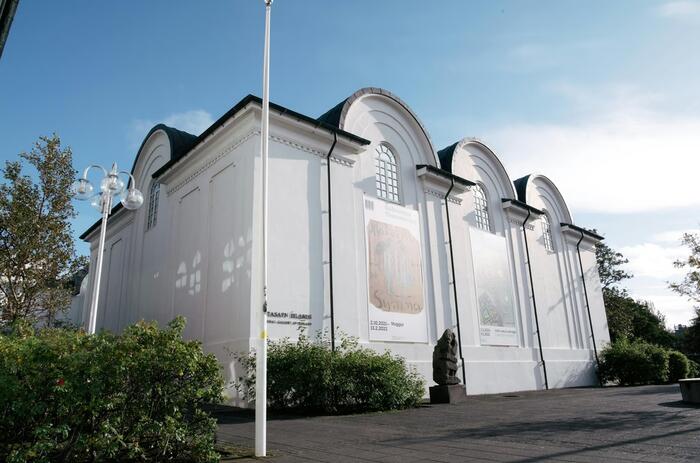
The CUSP program offers a residency of up to four weeks in Iceland for artists working with emerging technologies. The deadline is September 3, 2026.
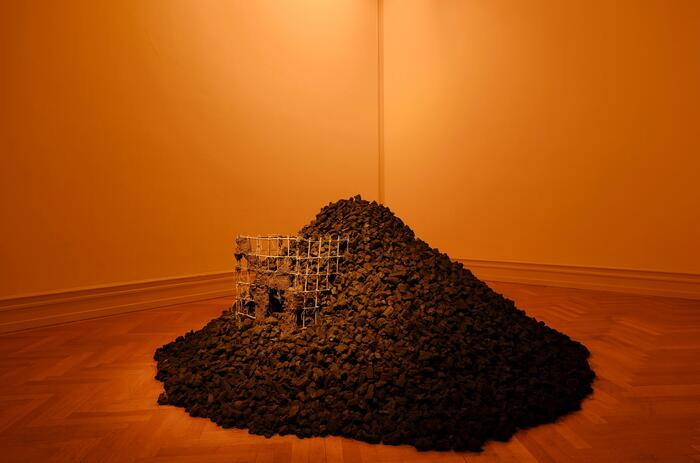
The Brazilian artist links climate crisis, history, and extractivism in her solo exhibition in Bern, reflecting on the social, political, and environmental consequences of a model whose patterns continue to reproduce colonial logics.
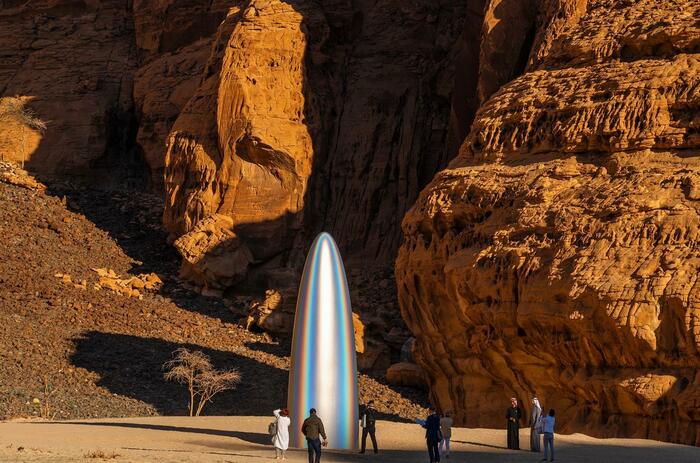
The artist’s organic minimalism reveals the intertwining of ecological phenomena, personal and ancestral memory, and the relationship between cultural anthropology and the natural world.
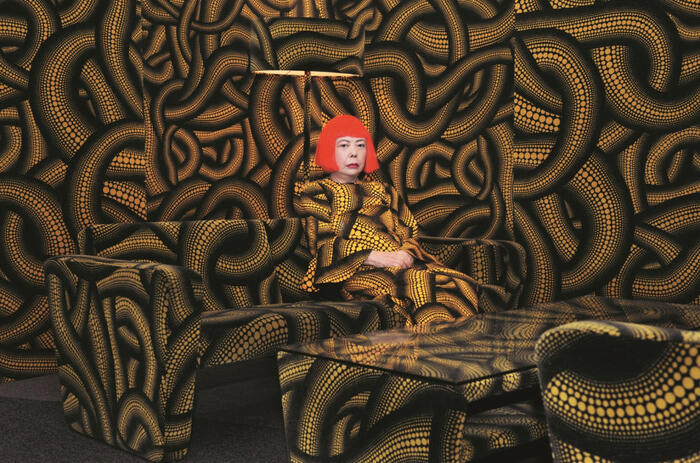
Spanning seven decades of painting, sculpture, and immersive installation, the show features a newly created work alongside pieces never before exhibited in Europe.