
BRAZILIAN MODERNISM: THE WORKS OF ISMAEL NERY AT THE PINACOTECA DE SÃO PAULO
The show occupies seven rooms on the first floor of Pina Luz and revisits the work of one of the most distinctive figures of Brazilian modernism, averse to nationalism and in pursuit of eternity.
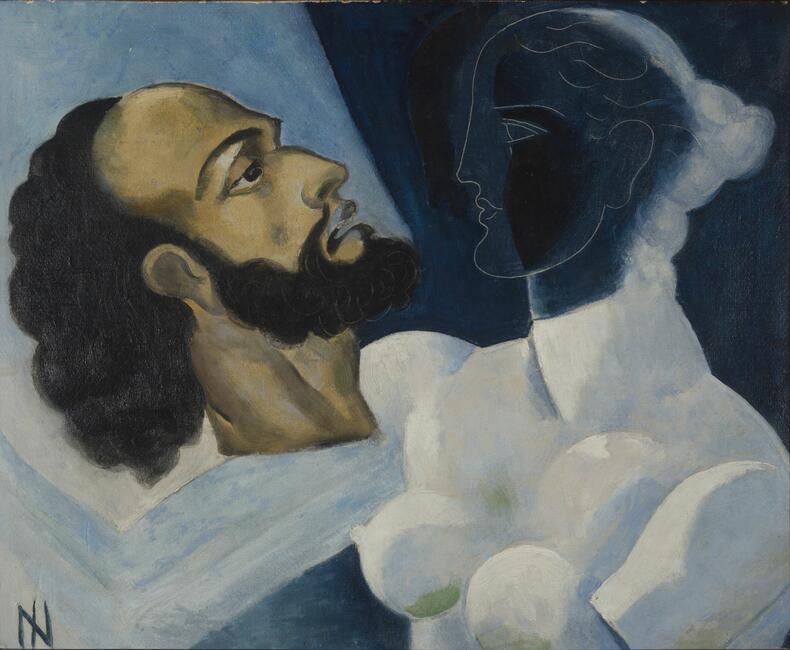
The Pinacoteca de São Paulo, a museum of the Secretariat of Culture, Economy and Creative Industry of the State of São Paulo, presents, from September 5, the exhibition Ismael Nery: Modern Trap, dedicated to the work of Ismael Nery (1900–1934), a painter, designer, architect, decorator, set designer, and poet. Occupying the seven temporary exhibition galleries on the first floor of the Pina Luz building, the show is curated by Yuri Quevedo and explores the career of one of the most unsettling artists of Brazilian modernism.
Although often portrayed as a figure on the margins of the nationalist project associated with Brazilian modernism, Nery was not detached from the issues of his time. He appropriated artistic languages such as illustration, Cubism, and Surrealism, reshaping them according to his own concerns. In paintings, drawings, and poems, the body became a site for investigating the instability of identity, the merging of genders, the disintegration of matter, and the religious desire to transcend the limits of space and time.
-
Ismael Nery (Belém, PA, 1900 - Rio de Janeiro, RJ, 1934) Três figuras, 1924. Óleo sobre tela 53,5 x 45 cm Coleção Particular. Foto: Romulo Fialdini
The show brings together about 230 works, including drawings, paintings, portraits, self-portraits, and compositions featuring sensual human figures, often androgynous, some of them threatening, that operate at the boundary between affection and violence, carnal desire and the trauma of finitude.
"We are drawn to the figure of an isolated and tormented painter, far removed from the debates surrounding Brazilian modernism. His foreknowledge of death, his mutilated bodies, religiosity, the fusion of male and female, and his desire to destroy his own work seem to fit together with such precision that life and work begin to explain one other," explains Yuri Quevedo.
-
Ismael Nery (Belém, PA, 1900 - Rio de Janeiro, RJ, 1934) Dois irmãos, 1927. Óleo sobre tela 78,7 x 69,7 cm. Acervo da Fundação José e Paulina Nemirovsky, em comodato com a Pinacoteca de São Paulo Foto: Isabella Matheus/Pinacoteca
Following Nery's early death in 1934, his work remained for decades confined to private collections and the circle of his close friends, disappearing from museums, schools, and critical discourse. His production began to gain wider critical recognition in 1965, when a selection of his pieces was included in the Special Room of Surrealism and Fantastic Art of the 8th Bienal de São Paulo.
Long understood as one of the most singular voices in Brazilian art, distant from his peers yet close to his contemporaries, Nery's career is revisited by the Pinacoteca de São Paulo in a panoramic exhibition that brings his contradictions, theoretical depth, and the radical nature of his inventions to the fore.
The Construction of a Body of Thought on the Margins of the Canon
Born in Belém do Pará, Ismael Nery moved to Rio de Janeiro with his family at the age of nine. The boy's childhood was deeply shaped by the erudite and multifaceted environment of his lineage. Memories of the Amazon, marked by the theological priesthood of his great-uncle, a canon; the medical practice of his father, and the knowledge of his grandmother of Indigenous descent, nurtured a sensibility that resisted Cartesian explanations of the world.
-
Ismael Nery (Belém, PA, 1900 - Rio de Janeiro, RJ, 1934) Figuras em azul, c. 1920. Óleo sobre tela sobre cartão 54,7 x 43 cm. Acervo da Fundação José e Paulina Nemirovsky, em comodato com a Pinacoteca de São Paulo Foto: Isabella Matheus/Pinacoteca
Nery was a non-degree student at the National School of Fine Arts and later attended the Académie Julian in Paris. He absorbed references from the history of Western art and the avant-garde movements, which he used in the 1920s to formulate a kind of oral doctrine that he called "Essentialism."
His philosophy was grounded in the rejection of conventional notions of time and space, seeking through artistic creation the unfolding of the "I" and the revelation of an immutable truth concealed behind the ephemeral forms of matter. This search found expression in his recurring themes of androgyny and duality. In his canvases, bodies without clearly defined genders, bald figures, and mirrored doubles merge in a sensual or melancholic embrace.
A central example of this approach is the work Dois irmãos [Two Brothers] (1927), in which the artist's face and that of his wife, the writer and poet Adalgisa Nery (1905–1980), appear superimposed and share the same anatomical traits, suggesting complementary manifestations of a single spiritual organism.
In other pieces, Nery dismantles the anatomy of human figures, exposing their viscera and then reassembling them as a whole. In works such as Visão interna – Agonia [Internal Vision – Agony] (1931) and Eternidade [Eternity] (1931), the body appears open, visceral, and fragmented: human entrails merge with the landscape and the earth, converting suffering into a meditation on mortality and eternity.
-
Ismael Nery (Belém, PA, 1900 - Rio de Janeiro, RJ, 1934). Sem título, sem data. Óleo sobre cartão, 45 x 37 cm. Coleção Particular. Foto: Isabella Matheus
The exhibition also highlights the network of affective and intellectual relationships that enabled Nery's work to survive. One of the essays in the catalog examines the painter's marriage to Adalgisa. Far from occupying the passive role of a muse compulsively portrayed in his paintings and drawings, Adalgisa actively participated in the couple's aesthetic life and, after her husband's death, built a career as a poet, novelist, press columnist, and congresswoman.
Another historical element in focus is Nery's relationship with intellectuals and artists such as Mário Pedrosa and Alberto Guignard, and especially with the poet Murilo Mendes (1901–1975). Nery, who regarded art as an initiatory and spiritual process of inquiry, would often discard or abandon his drawings and canvases after completing them. It was Mendes who rescued, catalogued, and preserved most of his friend's work, even refusing to comply with Nery's deathbed request that his entire oeuvre be destroyed.
Ismael Nery: Modern Trap will be on display from September 5 until January 31, 2027, at Pinacoteca de São Paulo, Praça da Luz, 2, Bom Retiro / Luz, São Paulo — SP, Brazil.
Related Topics
May interest you
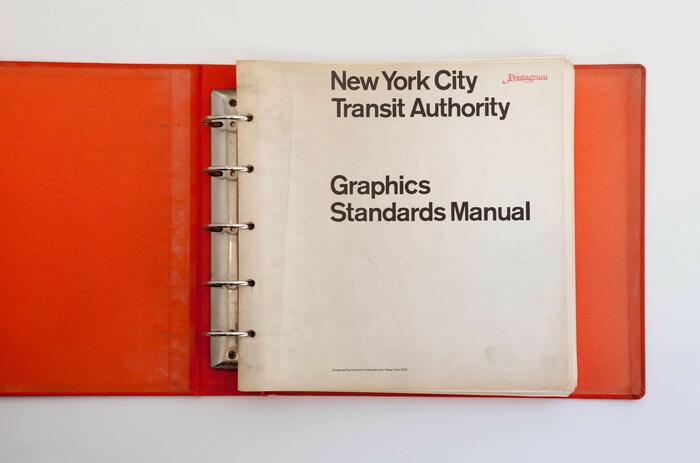
GRAPHIC DESIGN AS ARTISTIC PRACTICE IN LATIN AMERICA AND THE CARIBBEAN: A HISTORICAL DEBT OF THE ART ECOSYSTEM
Graphic design is one of the most influential engines of contemporary visual culture in Latin America and the Caribbean. Its aesthetic, political, and social impact on the construction of identities and public spheres is undeniable. Yet its presence in the market and in the legitimizing structures of contemporary art continues to occupy a peripheral position.
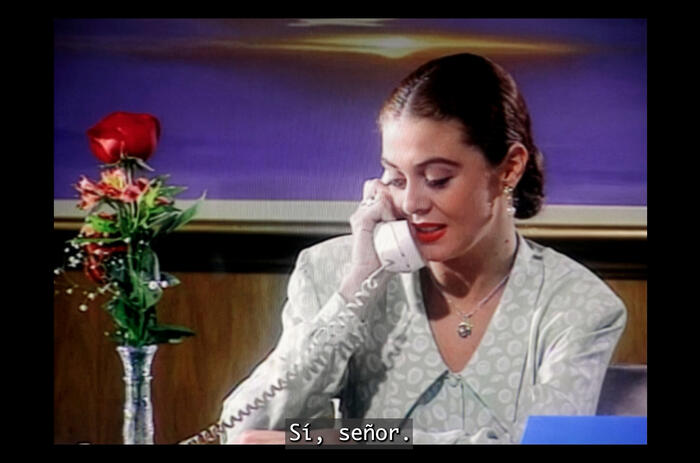
THE TELENOVELA AS A SUBJECT OF RESEARCH AT AMERICAS SOCIETY
The exhibition in New York will feature more than 50 works from the 1970s to the present, including an installation commissioned from Mexican artist Pablo Helguera.
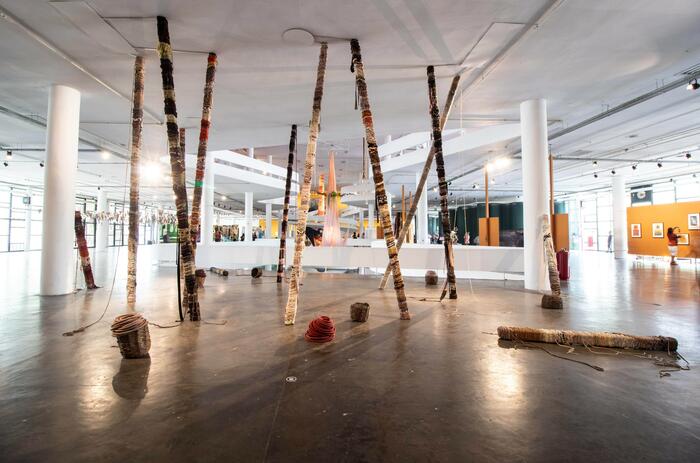
SÃO PAULO BIENNIAL'S TOURING EXHIBITION ADDS BERLIN, MEXICO CITY AND SANTIAGO
The show debuts in Germany and Mexico with curatorial input from Alya Sebti and Anna Roberta Goetz, following a main exhibition in São Paulo that drew over 784,000 visitors.