By
María Sancho-Arroyo
Paraguay is rarely mentioned when discussing the global art market, but this might change in the coming years due to its growing activity in the contemporary art sector. This activity is primarily driven by local galleries, which, aware of the cultural isolation the country has experienced for many years, are actively promoting local collecting and seeking to promote their artists through fairs and participation in events like the current Pinta Sud|ASU.
Historically, the cultural sector has received little state support, and private collecting was also minimal, especially in contemporary art. In this sector, the influence of Argentina and Brazil, the two major cultural powers of the Southern Cone, has been both a source of inspiration and significant influence. There is a tension between these countries, which, from the collecting perspective, are rivals, allies, and competitors at the same time.
In the 1970s, the country experienced significant economic growth, which was reflected in an increase in galleries, as well as the number of buyers and collectors. It is important to distinguish, without any disdain, between buyers and collectors. A buyer is someone who acquires one or a few pieces to decorate their home, while a collector buys art regularly with a specific vision, and their collection comprises a wide variety of works. Buyers are a fundamental part of the market; without them, galleries could not survive. They are also crucial for emerging or mid-career artists whose prices are accessible to a culturally inclined professional and middle class. In countries with a small art market like Paraguay, this type of buyer is essential for sustained growth. Over time, some of them become serious collectors.
To have an effective art market in any country, a complete structure is necessary: art academies to train artists, museums, and institutions to exhibit and publicize their works, and an active commercial sector where galleries play a unique role in promoting and developing artists' careers. It is essential for Paraguay to develop a robust artistic ecosystem that includes creators, critics, curators, gallery owners, journalists, museums, foundations, biennials, and collectors. This ecosystem must be supported by institutional and political support and by private initiative, as both are crucial for the country's cultural growth and sustainability. This infrastructure exists in Paraguay, although much remains to be consolidated and completed.
The 1960s and 70s witnessed a great flourishing of the visual arts in Paraguay, with the emergence of artists who deeply captured the country's cultural traits. Among them, Carlos Colombino stands out as the Paraguayan visual artist with the most international recognition. However, there are also other highly relevant artists of that generation, such as Olga Blinder, Riccardo Migliorisi, Feliciano Centurión, and Edith Jiménez. Although the Paraguayan art scene has had its ups and downs and is a relatively unstable market, it is currently expanding and consolidating as a dynamic and promising sector in the region. One of the fundamental pillars in the growth of the art market in Paraguay has been the resurgence of the local art scene. Paraguayan artists, both emerging and established, have gained visibility both nationally and internationally. This growing reputation has increased the value of their works and attracted the attention of renowned collectors and galleries. In fact, although it remains a very local market, significant changes can be observed. More and more people are interested in acquiring art, influenced by global communications that expose them to new content and help them develop a taste more aligned with international trends, while long-established collectors are willing to explore new styles.
Galleries are playing a very significant role in this resurgence. Since 2012, a large majority has come together in an association, ASGAPA (Association of Galleries of Paraguay), from which they promote the professionalization and internationalization of the sector. Among their initiatives is the organization of the Gallery Night and collaboration with local institutions and actors to generate market formation conditions. Many participate in events organized by "Oxígeno Art Fair," which started as a blog, became a fair, and is now a platform for the dissemination and commercialization of artworks in Paraguay.
ASGAPA and the galleries, in general, have responded enthusiastically to the invitation to present strong solo or two-person shows during the week of Pinta Sud ASU, which is taking place this week, from August 5 to 8, 2024, in Asunción. Pinta Sud | ASU is a program developed by Pinta Art especially for Paraguay, with three editions since 2022. It is a relevant effort to promote and disseminate contemporary art produced in the country. Pinta Art is a complex of international fairs that organizes, among others, Pinta Miami, Pinta PArC (Lima), Pinta BAphoto (Buenos Aires), and Pinta Sud ASU. The Paraguayan case is special, as it is not a fair but an Art Week, an activation of the local scene with more than 20 galleries presenting special exhibitions, visits to private collections, museums, galleries, a series of colloquiums, performances, concerts, urban interventions, and other events to initiate a deep dialogue with Paraguay's culture and its diverse artistic expressions.
The presence in Asunción of curators, collectors, artists, and international galleries energizes the local scene, generating numerous dialogues and cross-cutting exchanges that offer contextualized access to the country's artistic production and, without a doubt, are an important contribution to the development and international visibility of Paraguayan art.
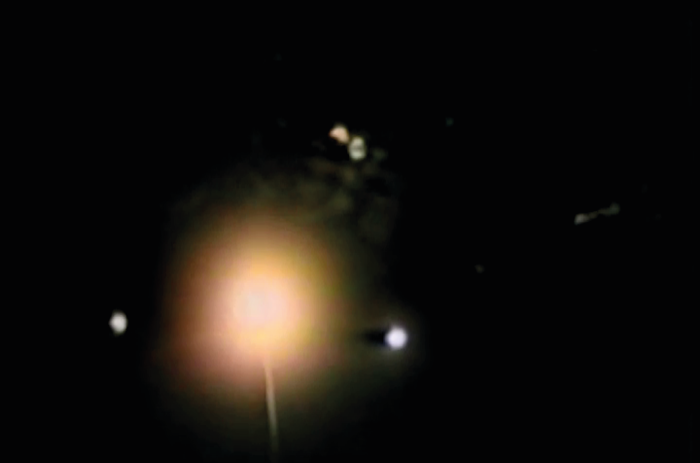
Luciérnagas humanas al ras de la tierra (Human fireflies at ground level) is a video-installation that the artist Marcos Benítez presents at the Paraguayan-German Cultural Institute. It is curated by Adriana Almada and will be part of the art week of Asunción Pinta Sud | ASU 2024.
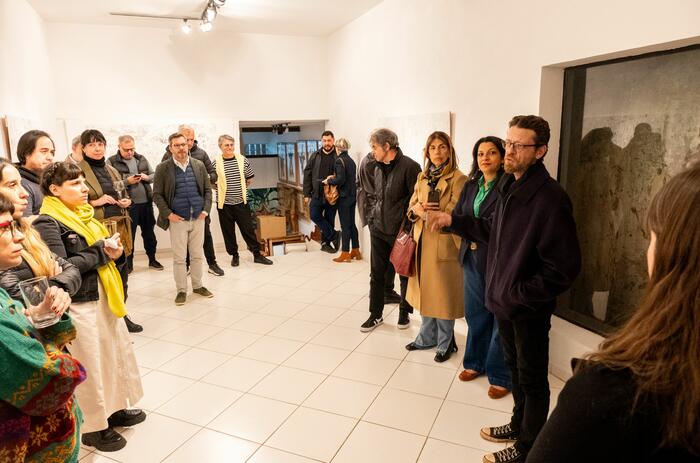
The third and last edition of Art Week Asuncion presented by Pinta Sud | ASU starts today August 5 with an ambitious cultural program, curated by Adriana Almada and accompanied by Irene Gelfman, featuring exhibitions, curatorial programs, lecture series and events.
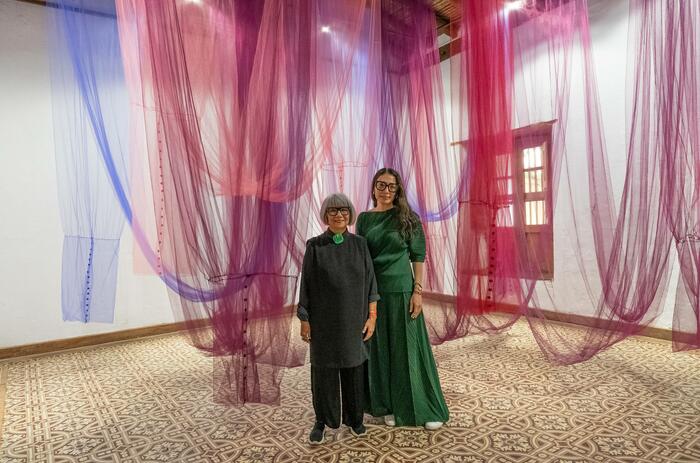
Paraguayan artist Claudia Casarino will be part of the opening of the Pinta Sud | ASU 2024 art week, from August 5 to 11, 2024. In a conversation with Arte al Día, she explains her link with Paraguay, the body and clothing to tell stories that reinterpret the universe of women.
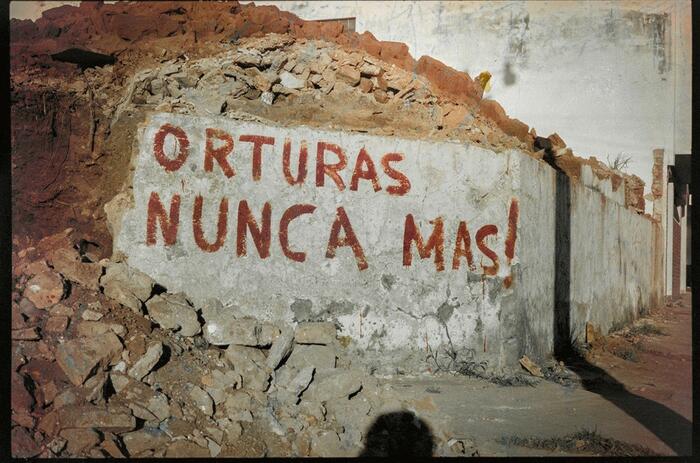
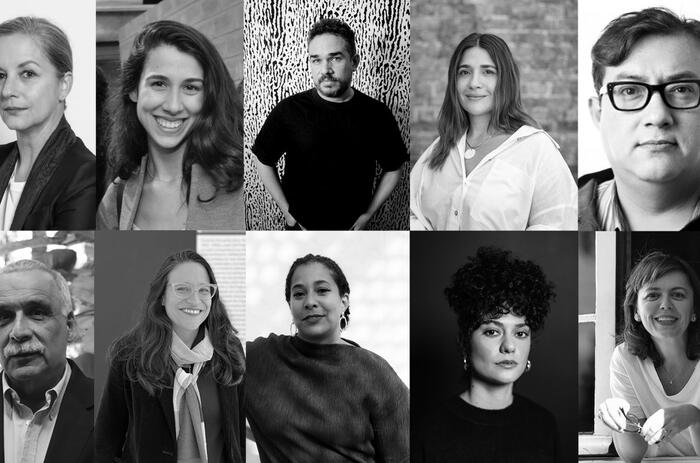
In the next edition of Pinta Sud | ASU 2024 -to be held from August 5 to 11, 2024 in Asuncion, Paraguay- the FORO lecture series will be one of the key spaces to delve into Latin American curatorial practice. Curated by Adriana Almada and Irene Gelfman, FORO will feature international guests such as Inés Katzenstein, Isabella Lenzi, Raphael Fonseca, among others.
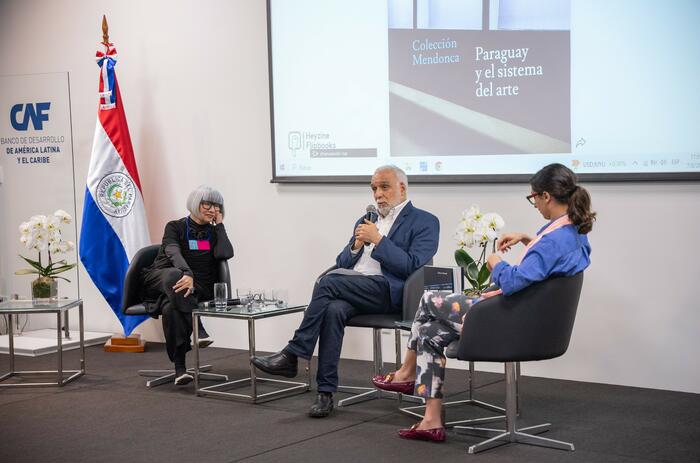
Within the framework of Pinta Sud | ASU 2024 FORO conversatory, Ticio Escobar - moderated by Irene Gelfman - participated in the exclusive presentation of the book "Colección Mendonca. Paraguay and the art system", by Adriana Almada. The book was presented at CAF - Development Bank of Latin America and the Caribbean.
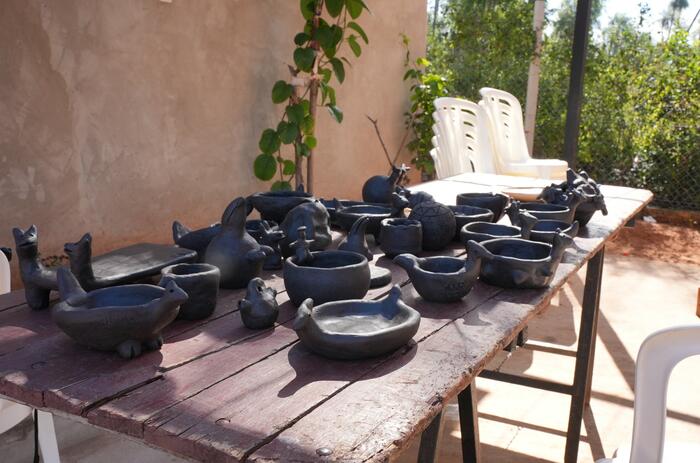
The third edition of Pinta Sud | ASU 2024 came to an end after a day of ceramic workshop in Itá with the renowned ceramist Julia Isídrez.

Banco Macro presented El Oro de los sueños (The Gold of Dreams), the exhibition by Andrés Paredes which is part of a new artistic program within its agenda at the Corporate Tower. The program is called Macro Federal, an initiative to present artists from all the provinces of Argentina, starting with Misiones. It is curated by Patricia Rizzo.
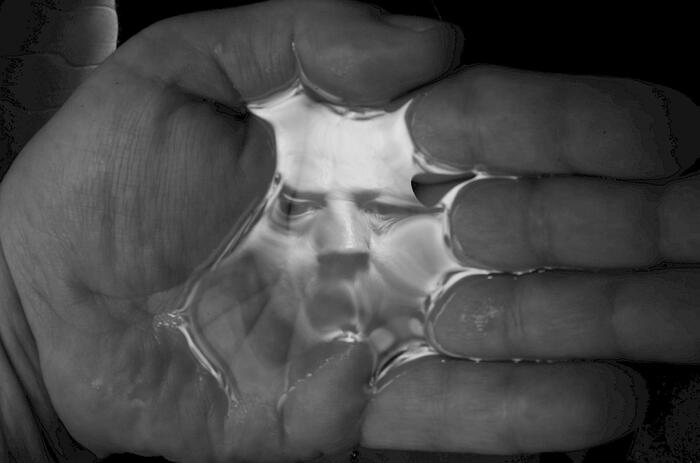
The Jewish Museum of Buenos Aires | Templo Libertad presented Falta compartida (Shared Absence), an exhibition that took place at the Rolf Gallery in 2019 as part of the commemoration of the 25th anniversary of the attack on the AMIA (Asociación Mutual Israelita Argentina), which itinerates on the occasion of the 30th anniversary, presenting itself as a reflection on the post-memory of recurring traumatic events in Argentine history.
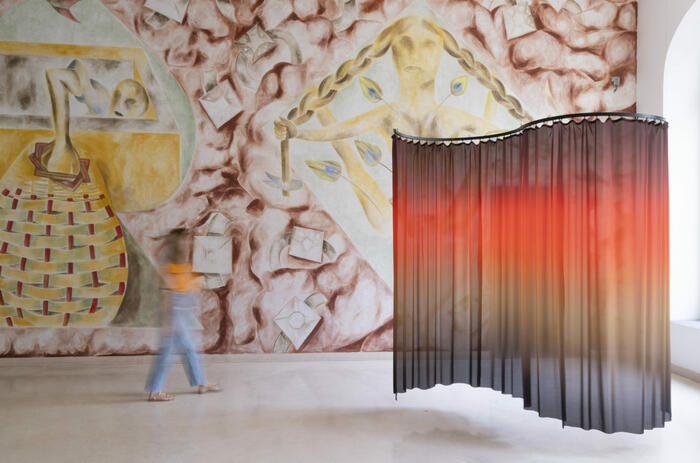
Fondazione Donnaregina per le arti contemporanee – museo Madre present Vai, vai, Saudade, a collective exhibition which offers a poetic pathway, exploring a series of stories related to the art produced in Brazil since WWII. Curated by Cristiano Raimondi.
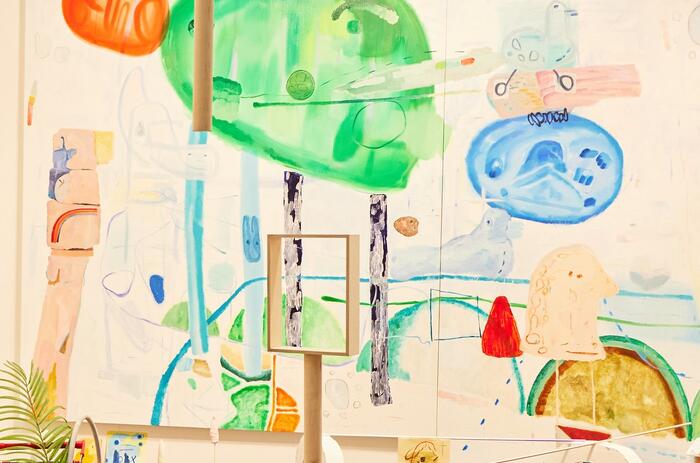
The first half of the year concluded on a low note, and as the art market gets ready to gear up for the last semester, a clearer picture of the challenges faced is emerging.
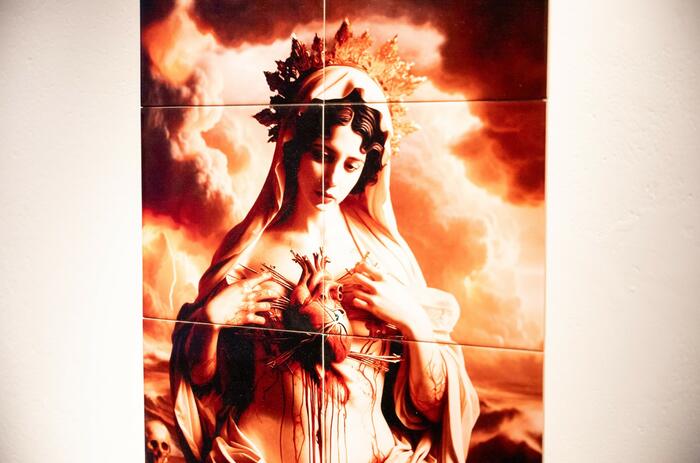
The third edition of Pinta Sud | ASU featured for the first time the Young Curators Program, under the leadership of Adriana Almada. In a conversation with Arte al Día, the two selected participants -Majo Fiorio and Luis Ocampos Pompa- shared their experience throughout the process.
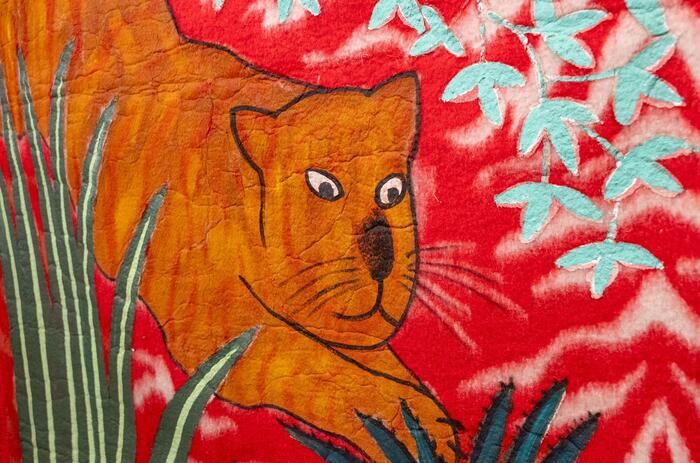
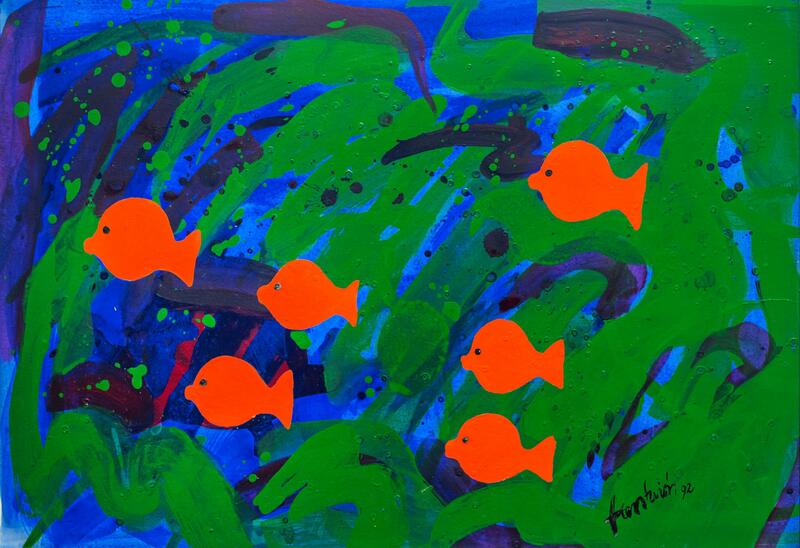
Pinta Sud | ASU 2024 presented at the Casa Mayor gallery the exhibition Warm Heart, with works by the Paraguayan artist Feliciano Centurión. It is a collection of works from different periods of his career and is curated by Irene Gelfman.