
By
Mercedes Abella
The contemporary art ecosystem is undergoing a profound paradigm shift, caught between the hyper-speed of algorithmic metrics and the unsustainable overheads of traditional gallery models. Today's primary market increasingly rewards virality over slow-burning studio practice, forcing artists into hyper-transactional cycles and leaving collectors searching for genuine depth beneath online trends.
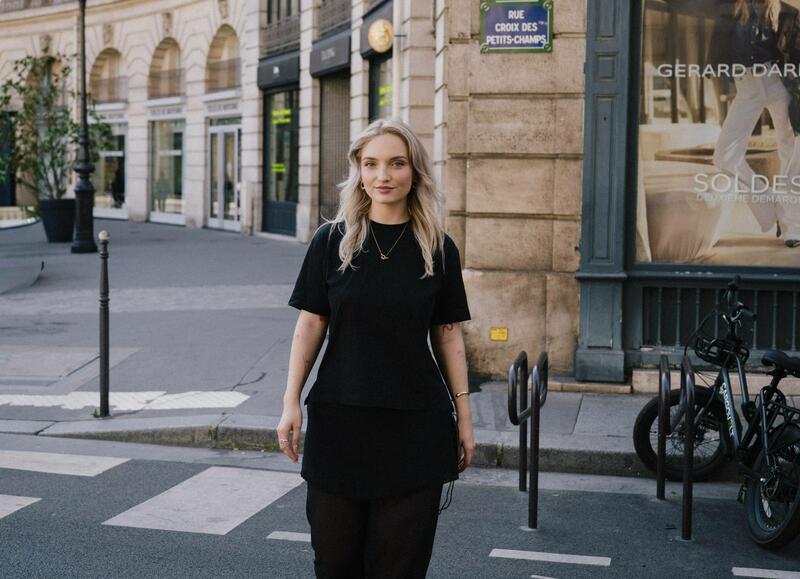
At just 27, Swiss-South African art dealer Geneviève brings a unique dual perspective to this evolving landscape. Based in Paris, she founded Studio Veive: a boutique art advisory that acts as a bridge between private VIP collectors and the global contemporary art world. Grounded in curatorial sensitivity, data-backed primary market analysis, and artist advocacy, Studio Veive champions living artists through bespoke access, legacy management, and highly intentional cultural strategy rather than high-volume storefronts.
Below, Geneviève discusses how her practice actively decouples artistic growth from digital algorithms, and why lean, personal management models are reshaping the future of artist representation.
You’ve often spoken about "discovery beyond the algorithm." In an art market obsessed with online metrics and virality, how do you actually protect an artist’s trajectory from that pressure?
One of the biggest changes we’re seeing in the art world today is how online visibility has turned into its own kind of currency. Artists are increasingly evaluated not on the slow, iterative strength of their studio practice, but on how much immediate attention they can generate online. An artist’s trajectory shouldn't be shaped by code or whether a piece happens to trigger an algorithmic wave.
If you live by the algorithm, your work eventually becomes customized to feed it. To break that cycle, we have to deliberately step outside of it. I look for work that hasn't yet been flattened by market expectations: art that feels vulnerable.
But finding that work is only the first step; returning to the "algorithm problem," the real challenge is keeping it safe from that pressure once it enters the international stage. You can't just discover an artist and then feed them to the same machine. You have to build a structure around them that allows them to scale on human terms, not digital ones.
The traditional gallery model is undergoing massive upheavals right now. We are seeing a distinct rise in artist management agencies and consultants over the classic white-cube spaces. How does Studio Veive fit into this shift?
The mega-gallery format is slowly showing its fractures. When a gallery operates with astronomical physical overheads across multiple global capitals, it inherently becomes hyper-transactional. In that environment, the pressure on mid-tier and emerging artists becomes immense; they are forced into overdrive to meet quarterly demands, and the slower work of long-term career development gets diluted.
Studio Veive operates in the “minor keys,” embodying Koyo Kouoh’s sensibility of working through the cracks of what the traditional system considers possible. As the art market evolves, I truly believe we don’t need the sprawling real estate of a mega-gallery to create impact. Studio Veive’s format is highly personal & adaptive. By keeping our overhead intentional, we can focus on the specific, the untrendy-but-incredibly-worthy, and the fine details of an artist’s long-term path. We operate more like an anchor and an agent than a storefront. This allows us to protect the artist's freedom while managing their institutional presence, legacy planning, and collector relationships on a human scale.
How does operating from Paris change that dynamic, especially when introducing artists from the Southern Hemisphere?
Paris has historically been the stage where global artistic movements converge, but today, collectors here operate on a different pulse. There is a genuine openness to discovery and a desire to engage with perspectives that extend far beyond traditional Western narratives.
But as someone coming from Southern Africa, I don't want to just talk about "expanding the canon" or "filling a gap." We all know the extraordinary richness, material experimentation, and urgency of the work coming out of the region, we don't need to preach about its validity anymore. What we need is possibility, and Paris offers it. It gives these practices the international visibility to be collected, contextualized, and discussed at the highest level, without forcing the artists to compromise their own frameworks and fit a European mold.
For artists looking to catch the interest of an advisor or manager like yourself, how does that relationship actually work in practice? What are you looking for?
I’m looking for a deep alignment of intentionality. Because we work so closely and on such a personal scale, the relationship is built entirely on trust and a shared vision for the future.
For artists trying to navigate this changing landscape, my advice is to focus entirely on the rigor of the practice rather than trying to manufacture a market-ready profile. The right agents and advisors are looking for that specific, unfiltered honesty. Right now, for example, we are exhibiting the Brazilian artist Ana Paula Sirino. She lives and works in the quilombola community of Torra, Brazil, drawing entirely from the history, memory, and daily life around her.
My relationship with Ana isn't about adjusting her work for a Parisian audience; it’s about creating the logistics and institutional pathways so her voice can be heard clearly over here, exactly as it is. That is the ultimate goal of our format: to work meticulously in the details so that the artist can remain entirely free in the studio.

An Interview with La Chola Poblete
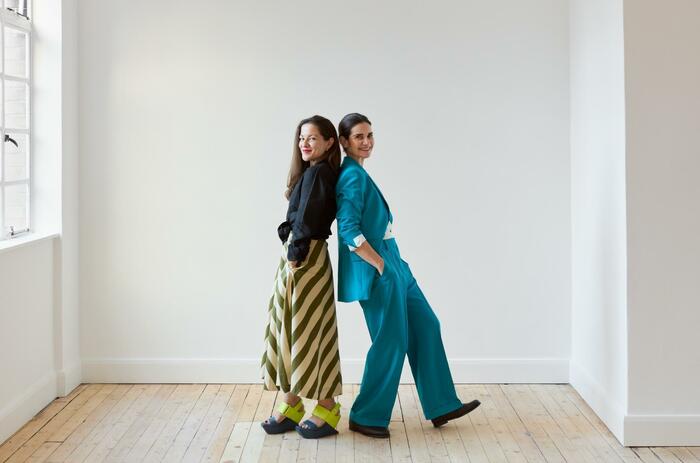
Founded by Brazilian collector Flavia Nespatti, ANTESALA opens its doors on October in Fitzrovia with the inaugural group show Assembly Lines.