
RODRIGO BARCOS APPOINTED DIRECTOR OF TOMAS REDRADO ART’S SUR GLOBAL PROJECT
The Argentine curator, artist, and gallerist will lead a platform committed to positioning Latin American art within international conversations “without diluting its specificity.”
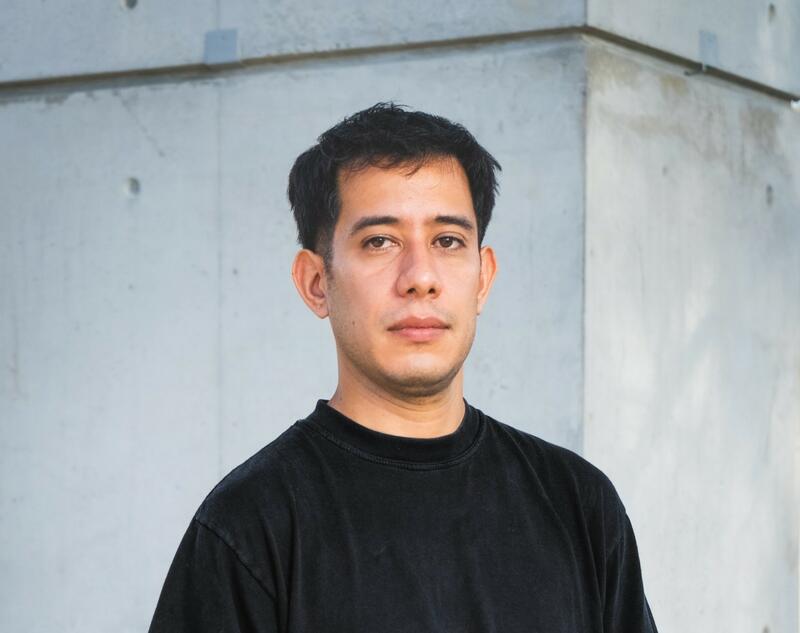
TOMAS REDRADO ART has announced the appointment of Rodrigo Barcos as Director of Sur Global, where he will oversee the development of the gallery’s new Buenos Aires headquarters, set to open in May, alongside its established space in José Ignacio. The initiative seeks to expand the scope of its program, foster sustained dialogue between local and international scenes, and reaffirm the gallery’s commitment to a situated, dynamic practice with a global outlook.
“Taking on the directorship at TOMAS REDRADO ART means participating in a process of expansion that is not merely geographic, but also discursive,” Barcos stated. “It involves rethinking circulation from the South and positioning Latin American practices within international conversations without diluting their specificity.”
The gallery champions contemporary art—within a landscape often governed by aesthetic standardization—as a form of intelligence capable of generating meaning, pleasure, friction, and critical thought.
In Barcos’s words: “We understand the Global South not as a homogeneous bloc, but as a constellation of intensities and singularities specific to each region, with their own problematics as well as their own epistemologies.” From this perspective, the gallery aims to construct a sovereign narrative from which to project a rigorous curatorial program—one that reflects artistic practices engaging identity, the body, materialities, and political imagination as ways of thinking through the present and envisioning possible futures.
In parallel, Greg Schneider assumes the role of Director of TOMAS REDRADO ART North America, managing the space located in Miami, strengthening the gallery’s institutional presence and dialogue in the region. This strategic activation seeks to amplify transcontinental exchanges in which Latin American practices are not assimilated, but resonate on their own terms. “The gallery’s mission is to position artists within global circuits while safeguarding the radical specificity that makes their work urgent,” the gallery noted.
North America operates as a site of intersection where markets, institutions, collectors, diasporas, and cultural agents converge. The program activates this density by building bridges that are reciprocal rather than extractive, replacing external gazes with self-determined narratives.
Related Topics
May interest you
WHO ARE THE ARTISTS TAKING PART IN THE FIFTH EDITION OF FAARA
The residency promoted by Ama Amoedo introduces a new experience of exchange, research, and production in dialogue with Uruguay’s natural environment.
FIRST INDIGENOUS ART BIENNIAL IN BUENOS AIRES
The event will bring together 46 Indigenous artists from different regions of Argentina and neighboring countries, with exhibitions and activities taking place between February and April.
MALBA ANNOUNCES RODRIGO MOURA’S DEPARTURE AS ARTISTIC DIRECTOR
The museum prepares for a new institutional phase ahead of its 25th anniversary.
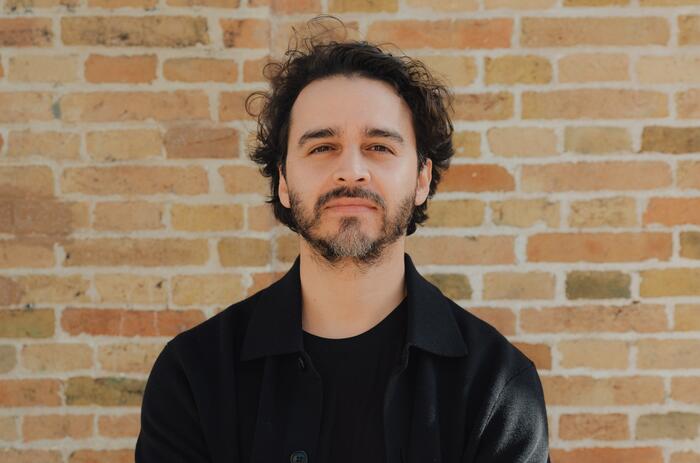
RODRIGUE MOUCHEZ ARMENDARIZ TO BECOME DAZIBAO’S NEW DIRECTOR
The French-Mexican curator will bring to the Montreal-based space “a rare combination of curatorial rigor, international perspective, and sustained commitment to artists.”
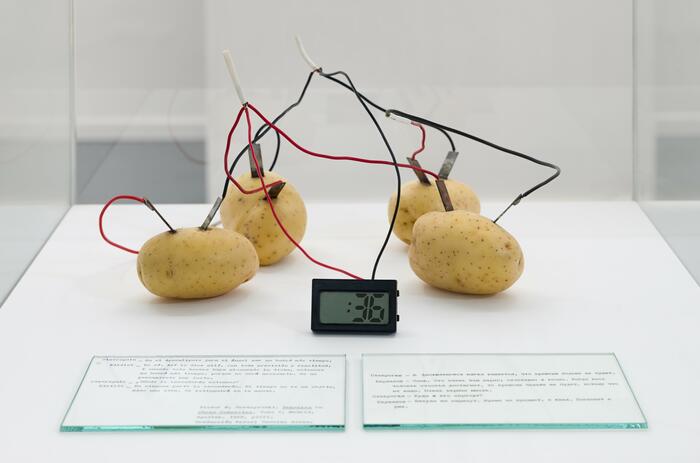
POTATOES AND PREMONITIONS: GRIPPO’S SUBTLETY AT ESPACIO FAN
The voice of a conceptual artist from the last century resonates as if his agenda were the same as today’s. Among works and sketches, the exhibition reminds us that “there is nothing more real than a potato.”

THE MONUMENTALITY OF THREAD: OLGA DE AMARAL AT MALBA
The museum presents the artist’s trajectory in relation to her contexts, documenting her artistic networks, her interventions in architecture, and her pioneering role in the development of textile practice in the Americas.
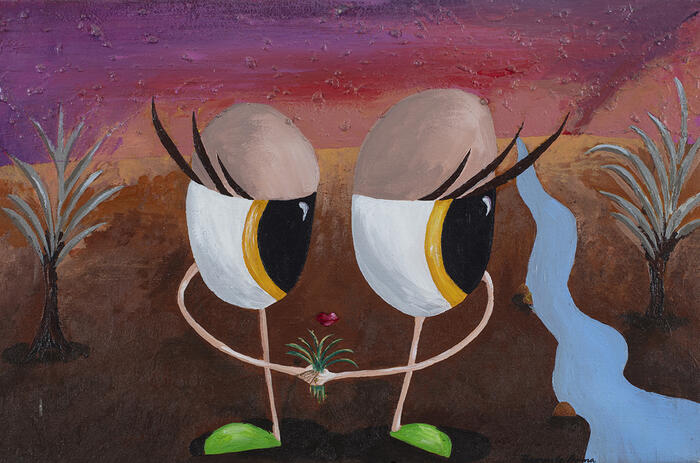
WHAT IS FERNANDA LAGUNA’S HEART MADE OF? OF REBEL TENDERNESS
Malba presents the most comprehensive survey of the Argentine artist’s work, featuring nearly 200 paintings, drawings, collages, embroideries, sculptures, installations, and videos; an exhibition that invites making without fear.