
LATIN AMERICA AT THE VENICE ARCHITECTURE BIENNALE: HERITAGE AND INNOVATION IN GLOBAL DIALOGUE
Five Latin American pavilions turn the Biennale into a space of architectural experimentation that bridges legacy, territory, and the future.
The 19th International Architecture Exhibition of La Biennale di Venezia 2025, curated by Carlo Ratti under the theme “Intelligens. Natural. Artificial. Collective”, brings together proposals addressing contemporary challenges from a situated perspective. Latin America takes center stage with projects that merge ancestral knowledge, critical reflections on technology, and sustainable strategies, strengthening its voice in the global architectural debate.
Peru: Living Scaffolding
The Peruvian Pavilion, located in the Arsenale’s Sala de Armas, presents Living Scaffolding, curated by José Orrego Herrera alongside Alex Hudtwalcker, Sebastián Cillóniz, José Ignacio Beteta, and Gianfranco Morales. The installation consists of a monumental wooden scaffold that dialogues with the constructive memory of the Uros and Aymara communities of Lake Titicaca.
The piece recalls the collective construction of the Uru vessel, which in 1988 connected South America and Polynesia, and celebrates the material intelligence of totora as a dynamic architectural resource. The project invites visitors to inhabit and traverse the structure, echoing the collaborative and adaptive spirit of Andean cultures.
-
Foto: Cristobal Palma
Argentina: El Siestario
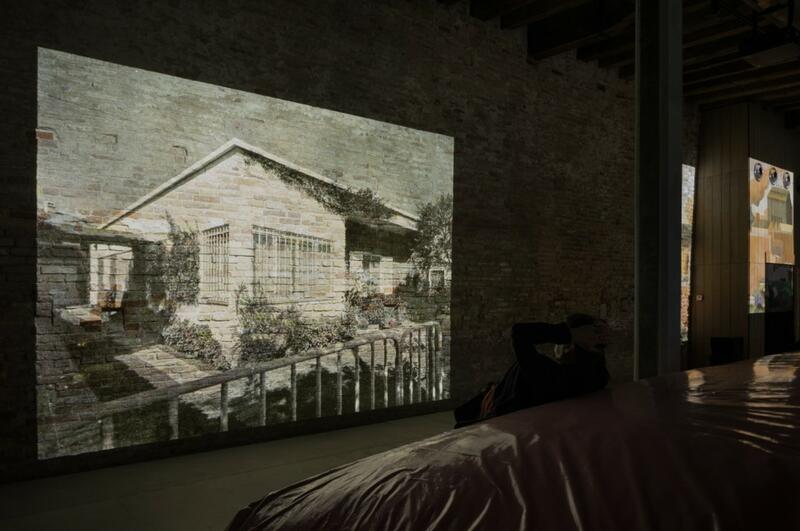
The Argentine proposal introduces a space for pause: a siestario that interrupts the Biennale’s accelerated pace. A silo bag, emblematic of the country’s agricultural and economic landscape, is recontextualized as a support for rest—a soft plastic mattress where time seems suspended.
Diffused projections and a dreamlike atmosphere transform the room into an introspective landscape, where the creative collective—led by architects Juan Manuel Pachué and Marco Zampieron—questions the logic of productivity and celebrates stillness as a political act.
-
Cortesía: Argentina.gob
Chile: Reflective Intelligences
With a 16-meter-long table as its central gesture, Chile presents a critical perspective on the material and ecological impacts of artificial intelligence. Curated by Cristóbal Molina and developed by Serena Dambrosio, Nicolás Díaz Bejarano, and Linda Schilling Cuellar, the installation questions how technological decisions are made and their relationship with the territories of the Global South.
More than an exhibition, Reflective Intelligences is conceived as a critical platform for dialogue on digital infrastructure, ecology, and citizenship, reminding us that behind every algorithm there are territories and bodies often rendered invisible.
-
Foto: Cristóbal Palma
Mexico: Chinampa Veneta
The Mexican Pavilion proposes a regenerative approach rooted in the ancestral agricultural system of Xochimilco. Chinampa Veneta establishes a conceptual and material bridge between Mexico City and Venice—two cities historically defined by water.
Combining architecture, design, and scenography, the project features a living chinampa and a floating structure inspired by the Teatro del Mondo, fostering a dialogue between tradition and contemporaneity. With the participation of a broad multidisciplinary collective, the proposal seeks to imagine sustainable ways of living in the face of climate change.
-
Foto: Proyecto Documentación Venecia
Uruguay: 53.86% Uruguay, a Water Nation
Uruguay places water sovereignty at the center of the global architectural debate with an immersive installation by Estudio Sei Fong. The project offers a poetic reflection on the relationship between water, urban life, and citizens’ rights.
The exhibition resonates with Venice through the notion of a water nation, emphasizing the urgency of conceiving water as a common good. “Behind every infrastructure lies a political decision that impacts people’s lives,” noted the curators, reaffirming the relevance of this topic amid a global environmental crisis.
-
Cortesía: Ministerio de cultura Uruguay
Related Topics
May interest you
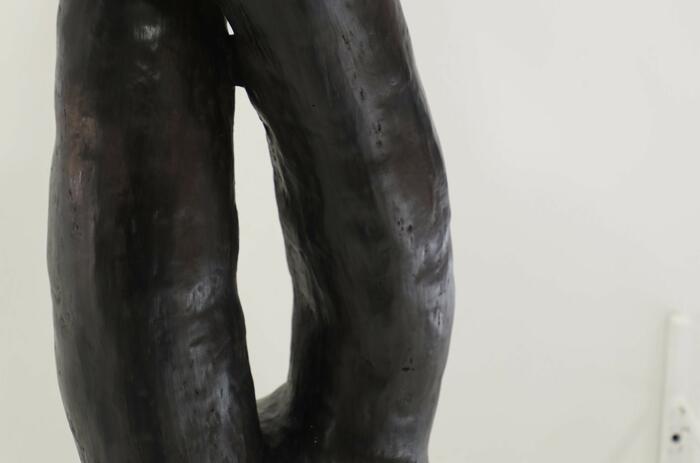
“AJÚRA”: A DIALOGUE BETWEEN ANCESTRAL CERAMICS AND CONTEMPORARY ARCHITECTURE AT PINTA ASUNCIÓN
Christian Ceuppens and Carolina Noguera present at Viedma Galería de Arte an exhibition that merges tradition and design, exploring the connection between Tobatí’s ancestral ceramic knowledge and a modern architectural vision.

WITH AN ACRE: ALTERNATIVE ARCHITECTURES IN THE HEART OF BRAZIL’S COFFEE REGION
The final chapter of the Groundwork series follows Carla Juaçaba as she develops a museum in collaboration with the collective Flor de Café—a gesture of territorial solidarity in the face of extractivism, urbanization, and climate change.
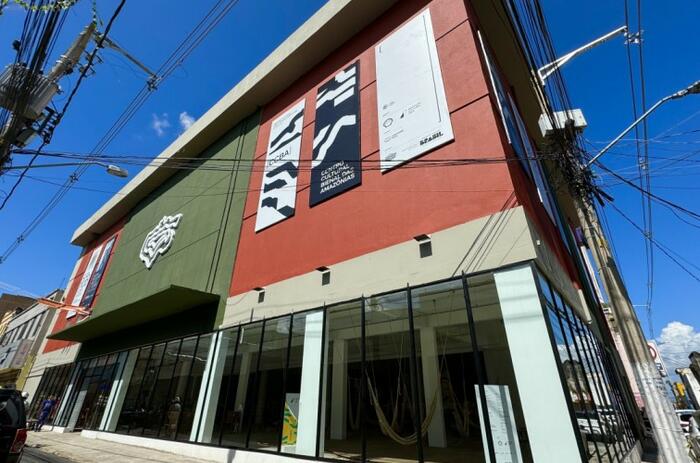
VERDE-DISTÂNCIA: THE 2ND BIENAL DAS AMAZÔNIAS TRACES CONSTELLATIONS THROUGH PAN-AMAZONIAN ART
This edition unfolds in Belém as a poetic and political reflection on Amazonian and Caribbean territories. More than 80 artists explore the notions of dream, memory, and accent as forces that reconfigure geography, time, and resistance.
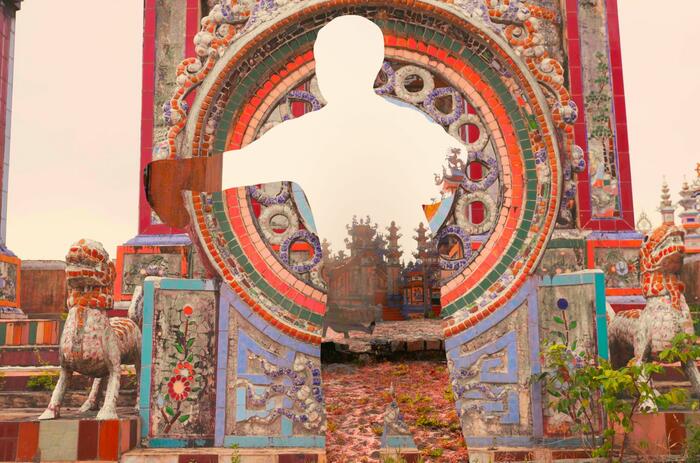
THE 24TH PAIZ ART BIENNIAL BRINGS TOGETHER FIVE CONTINENTS UNDER THE WORLD TREE
A historic edition brings together 46 artists and collectives across 11 venues in Guatemala, featuring newly commissioned works, dialogues between Mayan archaeology and contemporary art, and a focus on cultural diversity and the construction of inclusive futures.
MATÍAS DUVILLE TO REPRESENT ARGENTINA AT THE 2026 VENICE BIENNALE
Curated by Josefina Barcia, the project was selected among 69 submissions and will occupy the Argentine Pavilion from May 9 to November 22, 2026.
ANGLES, CROSSINGS, MOVEMENT, JUXTAPOSITION: THE 36TH SÃO PAULO BIENNIAL
The São Paulo Biennial opened its 36th edition with a mix of proposals that invite a return to the senses: textures are highlighted, sounds resonate, and at times even scents appear. With a large number of commissioned works, the curatorial approach—led by Bonaventure Soh Bejeng Ndikung—was guided by several threads, all centered on the idea of “humanity as practice”.