THE BOGOTÁ BIENNIAL RETURNS IN 2027 AND ANNOUNCES ITS CURATORIAL TEAM
The second edition of the International Art and City Biennial will take place in September 2027, guided by a curatorial framework centered on relationships between human and non-human species.
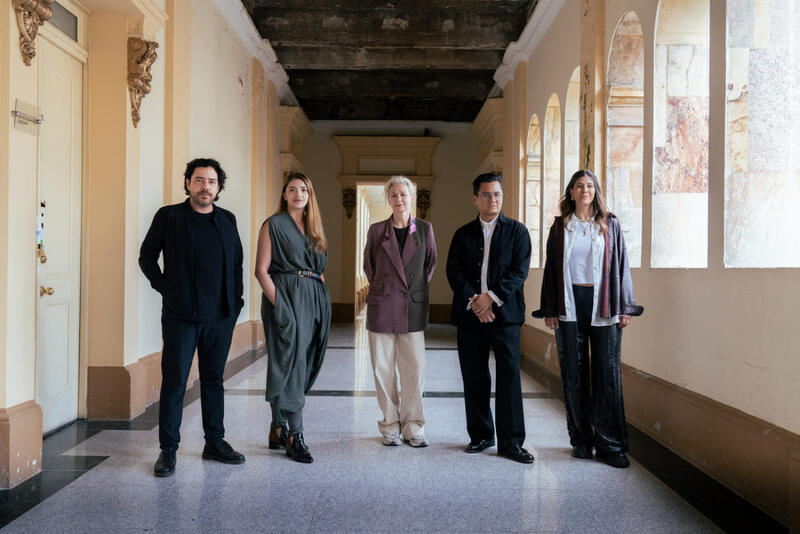
The Mayor's Office of Bogotá, through the Secretariat of Culture, Recreation and Sport, has announced the second edition of the International Art and City Biennial, to be held in September 2027. The event will be directed by Juan Ricardo Rincón Gaviria and will feature a curatorial committee comprising Magalí Arriola and José Esparza Chong Cuy as chief curators; María Paula Bastidas and Juliana Steiner Fraser as associate curators; and Elkin Rubiano as curator of public programs and mediation.
The BOG27 curatorial framework uses the city as a stage where natural and built environments become hosts for narratives about relationships between human species. São Paulo will be the edition's guest city of honor. The Biennial also includes the distribution of 1 billion Colombian pesos in 51 incentives through four open calls aimed at Bogotá's artistic community.
Arriola is a Mexican writer and independent curator. She served as director of the Museo Tamayo in Mexico City from 2019 to 2025, and curated the Mexico Pavilion at the 58th Venice Biennale in 2019. Esparza Chong Cuy is a Mexican curator and architect, executive director and chief curator of Storefront for Art and Architecture in New York since 2018, and curator of the Kosovo Pavilion at the 61st Venice Biennale in 2026. Bastidas is a Colombian curator and researcher focused on contemporary art, identity, memory, and local knowledge. Steiner Fraser, also a Colombian curator and researcher, co-founded Espacio Odeón in Bogotá and recently curated Ecotono: Chagras, Payaos, Camellones for Common Ground, a curatorial initiative by CHRA and the Fisher Center LAB at Bard College. Rubiano is director of Humanities and Literary Studies at Universidad Jorge Tadeo Lozano, working across aesthetic theory, cultural criticism, and the relationships between art, city, and public space.
May interest you
SÃO PAULO BIENNIAL'S TOURING EXHIBITION ADDS BERLIN, MEXICO CITY AND SANTIAGO
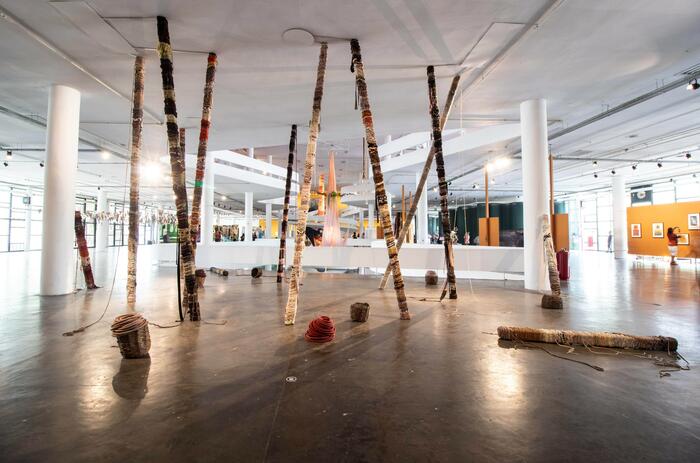
The show debuts in Germany and Mexico with curatorial input from Alya Sebti and Anna Roberta Goetz, following a main exhibition in São Paulo that drew over 784,000 visitors.
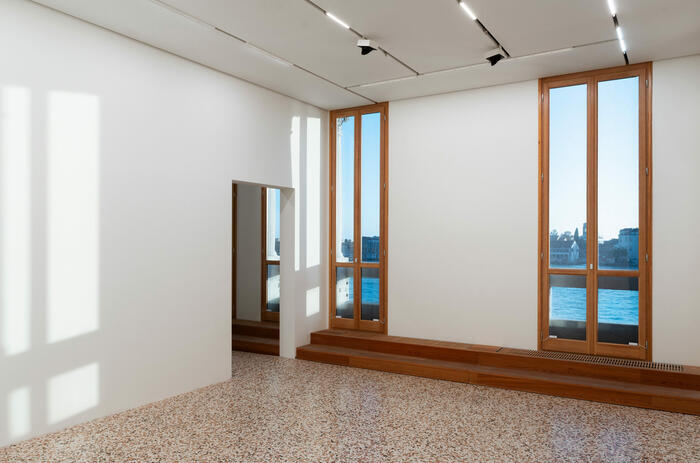
LAST DAYS: SCUOLA PICCOLA ZATTERE OPENS TWO INTERNATIONAL FELLOWSHIPS IN VENICE FOR 2027
The Venetian space seeks artists and cultural practitioners for three-month residencies within its Living Document season. The deadline is September 4, 2026.
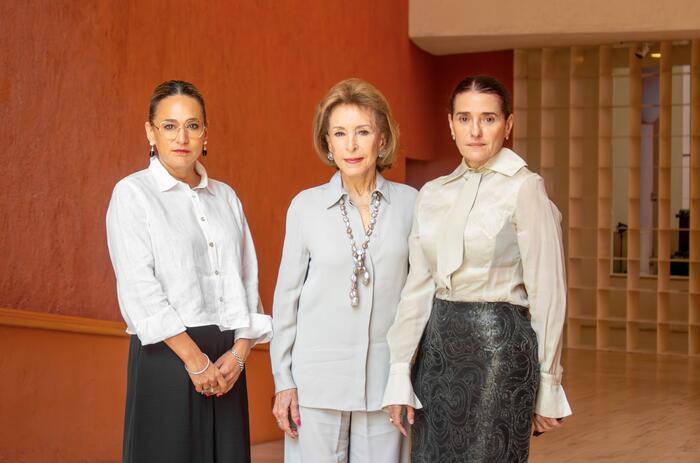
MARCO NAMES SOFÍA HERNÁNDEZ CHONG CUY AS CURATOR-AT-LARGE
With a career spanning more than two decades, Hernández Chong Cuy joins the museum tasked with developing a critical curatorial vision for its permanent collection.
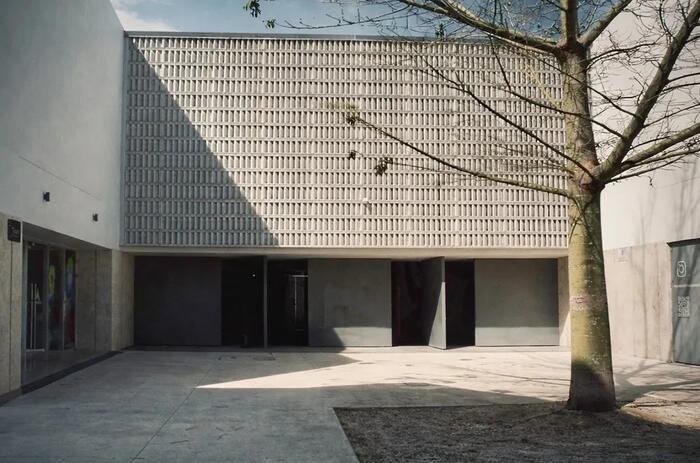
“VOCAL”, MEXICO'S FIRST INTERNATIONAL CONTEMPORARY ART BIENNIAL, OPENS IN MÉRIDA
From November 26, 2026 to February 28, 2027, a circuit of 16 venues will bring together 76 artists from 20 countries under the artistic direction of Abraham Cruzvillegas.