"DESPUÉS DE BABEL" - ART AND LINGUISTICS INQUIRE ABOUT THE CONFLICT OF IDENTITIES
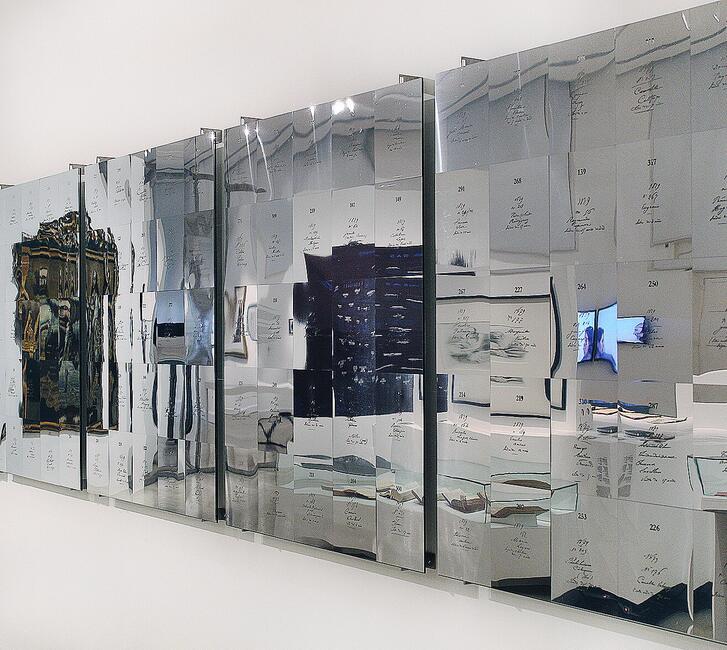
BUENOS AIRES - Después de Babel.Traducciones rioplantenses (After Babel. River Plate Translations) addresses the issue of colonialism and independence from the linguistic point of view. Understanding translation as a practice and a tool, the focus is no longer on communication and a panorama of grays and misunderstandings opens up that serves to illustrate and explain the syncretism of European and American cultures. Through this magnifying glass, the exhibition visits the past and understands the globalized present to imagine possible futures of identities and cultural exchanges.
"In today's globalized world it is important - more than ever - to know how we can exist together, with our differences." comments Barbara Cassin, linguist and curator of the exhibition. “Translation is a know-how based on and with differences (…) Translation teaches us multiple ways of inventing, of playing with difficulties to produce something new. That ‘something new’, which is based on history and tradition, but also on the history of each one and their singularities, is perhaps what we need the most."
-
LEANDRO KATZ - Lunar Typewriter - 1978 - Impresión sobre gelatina de plata - 77 x 109 cm
-
LUIS SCAFATI - Babel - 2016 - Tinta, acuarela y collage sobre papel - 48 x 48 cm - Cortesía del artista
-
RAQUEL FORNER - La Torre de Babel - 1947 - Óleo sobre tela - 155 x 85 cm - Colección Fundación Forner-Bigatti
-
GABRIEL VALANSI - Fricciones - 2008 - 8 cajas iluminadas con 8 fotografías - Impresión a chorro de tinta - 50 x 70 cm cada una - Cortesía del artista - Producción UNTREF8
-
YANG YONGLIANG - Skyscraper - De la serie Heavenly City - 2008 - Impresión inkjet - 150 x 100 cm - Cortesía del artista
The exhibition at the MUNTREF Centro de Arte Contemporáneo, at the Hotel de Inmigrantes, presents more than 500 documents, including: the act of independence in Spanish and Aymara; the proclamations of Belgrano in Guaraní; contemporary works such as Cristina Piffer's, made from the baptismal certificates of the indigenous people captured in the detention camp that operated on Martín García Island during the Conquest of the Desert; the dialogues between slang as a process of formation and spontaneous mutation in the language; and the texts and translations in Neo-Creole by Xul Solar in complicity with Borges. These books and objects, coming from the field of visual arts, raise the issue of translation as a political tool in the River Plate area.
The exhibition is curated by the French linguist Barbara Cassin, from the Académie Française/CNRS, in collaboration with researchers from the Institute for Research in Art and Culture Dr. Norberto Griffa (IIAC) of the National University Tres de Febrero (UNTREF), Marina Aguerre and Leandro Martínez Depietri.
The exhibition in Argentina, with antecedents in Marseille and Geneva, is an unpublished version organized in nine axes that not only analyze and problematize the fabric of history and the politics of translation, but also account for the tensions between the searches for the "universal" and the rescue of local singularities, adding value to the cultural and language diversity of this territory, so crushed by the hegemonic stories.
Marina Aguerre, for her part, postulates that “inquiring about translation practices is not a prerogative only for translation professionals or linguists: it allows us all to think about a past, a present and also – very importatntly - a possible future”.
Finally, Martínez Depietri adds: “Barbara speaks of translation as a practice that generates a new territory, an interstitial space that is neither one nor the other, but an "in between". This exhibition is in itself an "in between", a proposal that starts from Barbara's research and intersects with the local perspectives that we contribute together with Marina in order to be able to think in a situated way how powerful translation is as a political tool in the area.”
The languages under "the" language:
This Friday, May 7, on the UNTREF YouTube channel, the linguist Santiago Durante (UBA-UNAHUR) and the artist Hugo Vidal (present in the exhibition) will talk and answer questions such as “How to make visible the cultural diversity of the Argentine territory through their languages?” and “What links can contemporary artistic practices build?” With moderation by Leandro Martínez Depietri, the conversation will address the vitality of the original languages in Argentina, their role in the indigenous re-emergence processes of the last decades and the power of affective networks in the development of cultural recovery projects.
May interest you
“STOP PAINTING” - PETER FISCHLI EXHIBITS A PANORAMA ABOUT RUPTURE AT FONDAZIONE PRADA VENICE
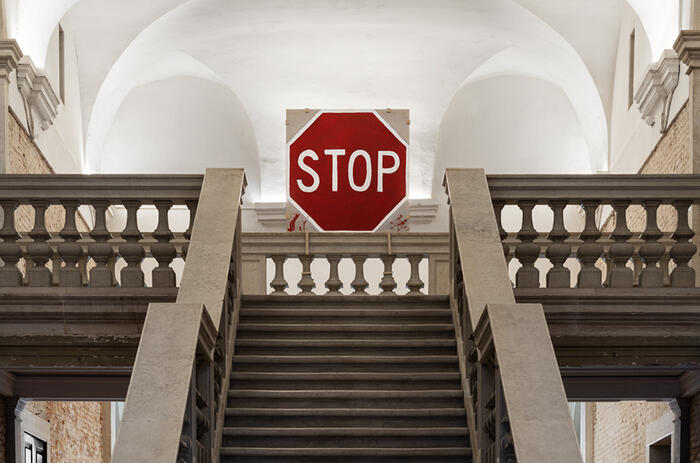
Described by Peter Fischli as “a kaleidoscope of repudiated gestures”, the project explores a series of specific ruptures within the history of painting in the last 150 years, intertwined with the emergence of new social factors and cultural values. The exhibition also intends to understand if the current digital revolution can also cause a new crisis of painting or, on the contrary, contribute to its renewal. Stop Painting is conceived by artist Peter Fischli with more than 110 artworks by international artists on view at the historic palazzo of Ca’ Corner della Regina, Fondazione Prada’s Venetian venue, from 22 May to 21 November 2021.
ONLINE EXHIBITION OF THE ITAÚ VISUAL ARTS AWARD
Fundación Itaú invites the public to visit and tour the works selected for the 11th edition of the Itaú Visual Arts Award. In the context of the pandemic and due to the impossibility of carrying out an in-person exhibition, Fundación Itaú took on the design of the exhibition in Google Arts & Culture in collaboration with Adriana Lauria, curator of the Prize.