
Julieta Aranda presents Ghost Nets at OMR Gallery, in Mexico
Since May 24 until June 30th, the OMR Gallery in Mexico, presents the exhibition Ghost Nets by Julieta Aranda, held in two movements: The first movement of the exhibition takes place downstairs, the second, upstairs.
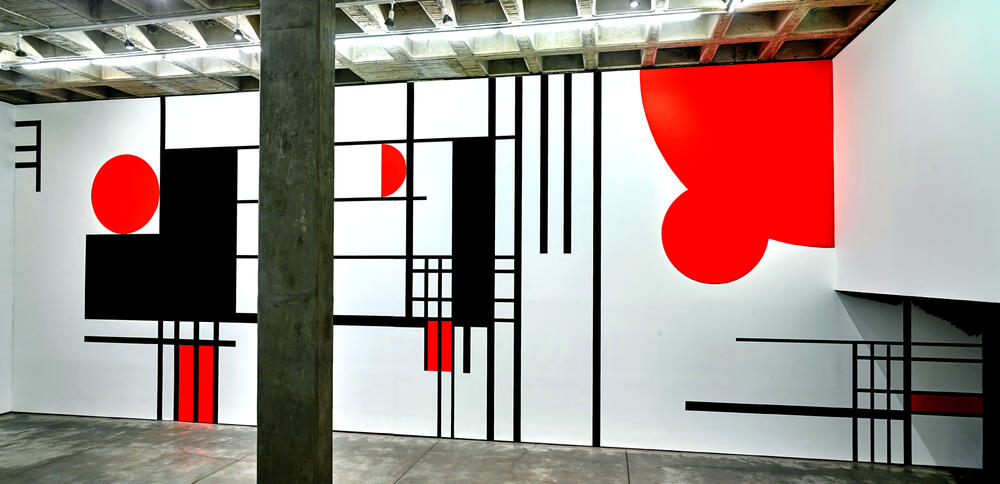
On the one hand, the first movement of Ghost Nets is marked by the interest of the artist in what is called "ghost fishing". On the other hand, the second movement seeks, through her own networks, to reflect and connect with other artists who colaborated at the project: Saâdane Afif, Natalie Czech, Jean- Pascal Flavien, Liam Gillick, Pedro Neves Marques, Trevor Paglen, Franck Audoux and Valerie Chartrain, Anri Sala and Michael John Whelan. All of them have been indispensable partners for Aranda in the realization of the project.
A text of Chus Martínez analyzing the work, explains: “Bones… cannot be only architecture, material, support, structure, engine. We lack a real wild imagination about bones, about their function, about their knowledge. Lately, we all got fascinated by bacteria, we love the idea of being possessed by millions of microorganisms, we can even picture bacteria as a sort of de-centralized organ defying the historical and biological centrality of the brain. In bacteria we see connectivity, eloquence, the possibility of addressing collectively, we see them politically, so to say. Bacteria are our way of imagining both, nano-technology and artificial intelligence in an inside-out world.
Bones, on the contrary, belong to the silent land: we tend to represent them as the white cube of life, some sort of dull, but necessary structure that did not even have the chance yet for proper “bone-critique” or a bone revival. However, nothing further than the truth. Osteocalcin, a protein discovered in the last century, has been proved—only a decade ago—to play a crucial role in regulating blood sugar. In other words: who would have thought of bones as an endocrine organ? As playing a direct role in our memory and mood. E voilà! This is the reason why the protagonists of the last installation work by Julieta Aranda are bones. Bones are not only the carriers of life memory, but they are also their biggest preservers”.