"EMERGENCY ROOM" TWELVE YEARS LATER
In 2007 MoMA PS1 hosted for one month the artwork of sixty artists under the Emergency Room platform. Destined to rethink through new ways of communicating the humanitarian and political emergencies of that time, a considerable amount of projects, performances and oeuvres exhibited alluded to the climate crisis. With the relevance of the issue of climate change today ― one of the central themes of the political agenda, at least in developed countries ―, the approaches made by artists in 2007 will be compiled in a catalog made by MoMA PS1 for analyze and comprehension o the way this problem was treated twelve years ago.
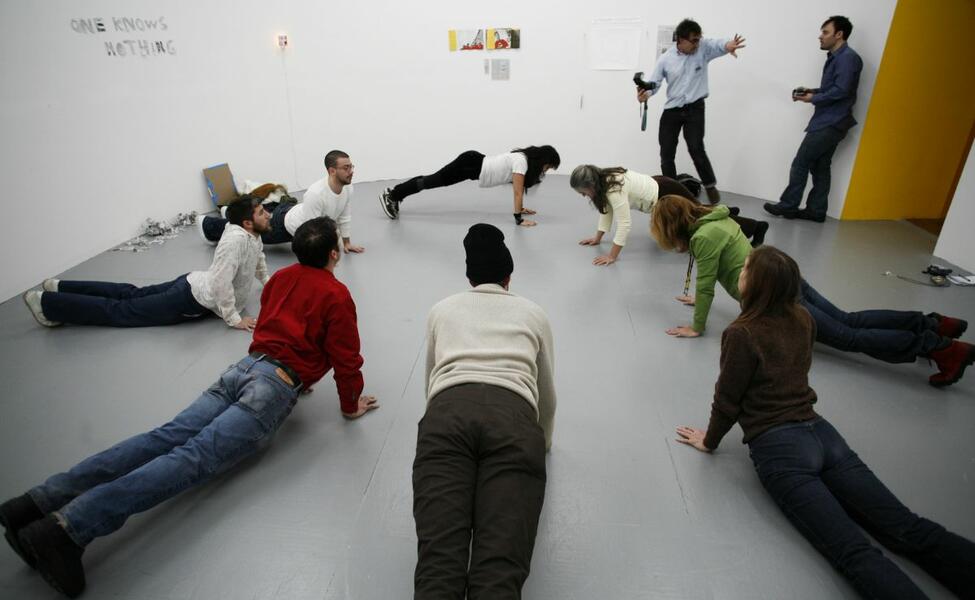
The project conceived by MoMA PS1 proposes to analyze how artists combined aesthetic and alarming facts, and what effects they produced around the debate on the ability of art as a premonitory tool of political conflicts and problems. In the same way, the book will also focus on issues such as armed conflicts, xenophobia and gentrification, issues that the Emergency Room artists highlighted as the main problems of the global community.
MoMA PS1 was created by the Museum of Modern Art in New York (MoMA), in 1971, to give visibility to avant-garde languages charged with excessive political content. Dedicated to contemporary art in its most experimental forms, the institution was conceived as a nonprofit center ― the first in the United States ― with the aim of bringing the themes and statements of the most disruptive production of contemporary art to the world scene. In that commitment to question the art installed as “hegemonic”, the Emergency Room catalog also means a first retrospective of the value that the center has within the political and social agenda and, therefore, the ability of artistic language towards these issues.
"We are still very focused on activating new emergency formats and open new platforms," they assured from PS1. " But now after 25 years of activities we are looking for collaborations to works with the past production as a source of research and knowledge." That is why the institution opens the call to all those who wish to collaborate with the catalog, be it from writing, publishing or financing. To do this, contact the mailbox: 1@colonel.dk.